
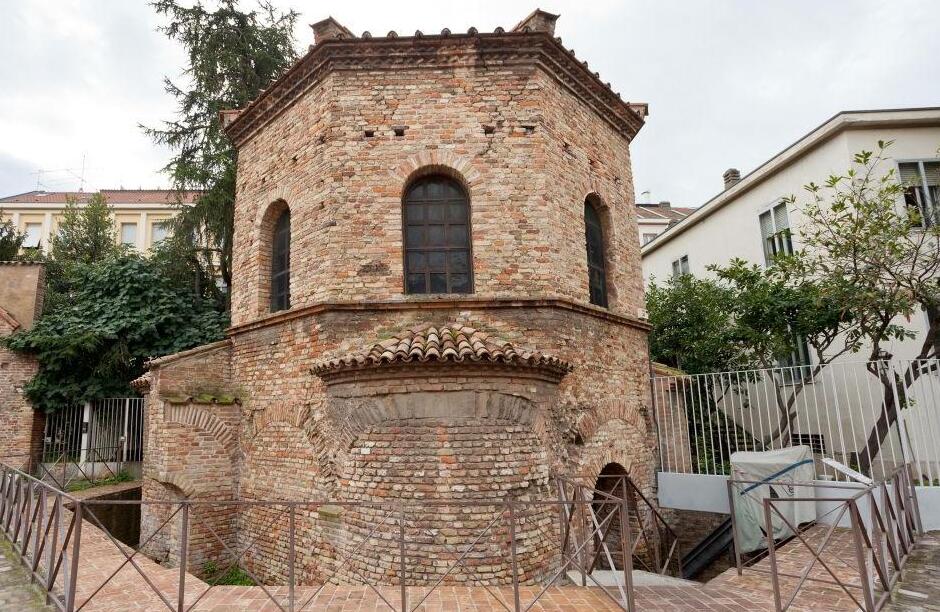

Nestled in the heart of Ravenna, the Baptistery of the Aryans stands as a testament to the city’s rich tapestry of history and artistry. This remarkable structure, often overshadowed by its more famous neighbors, is a hidden gem that invites visitors to delve into the intricate layers of early Christian heritage.
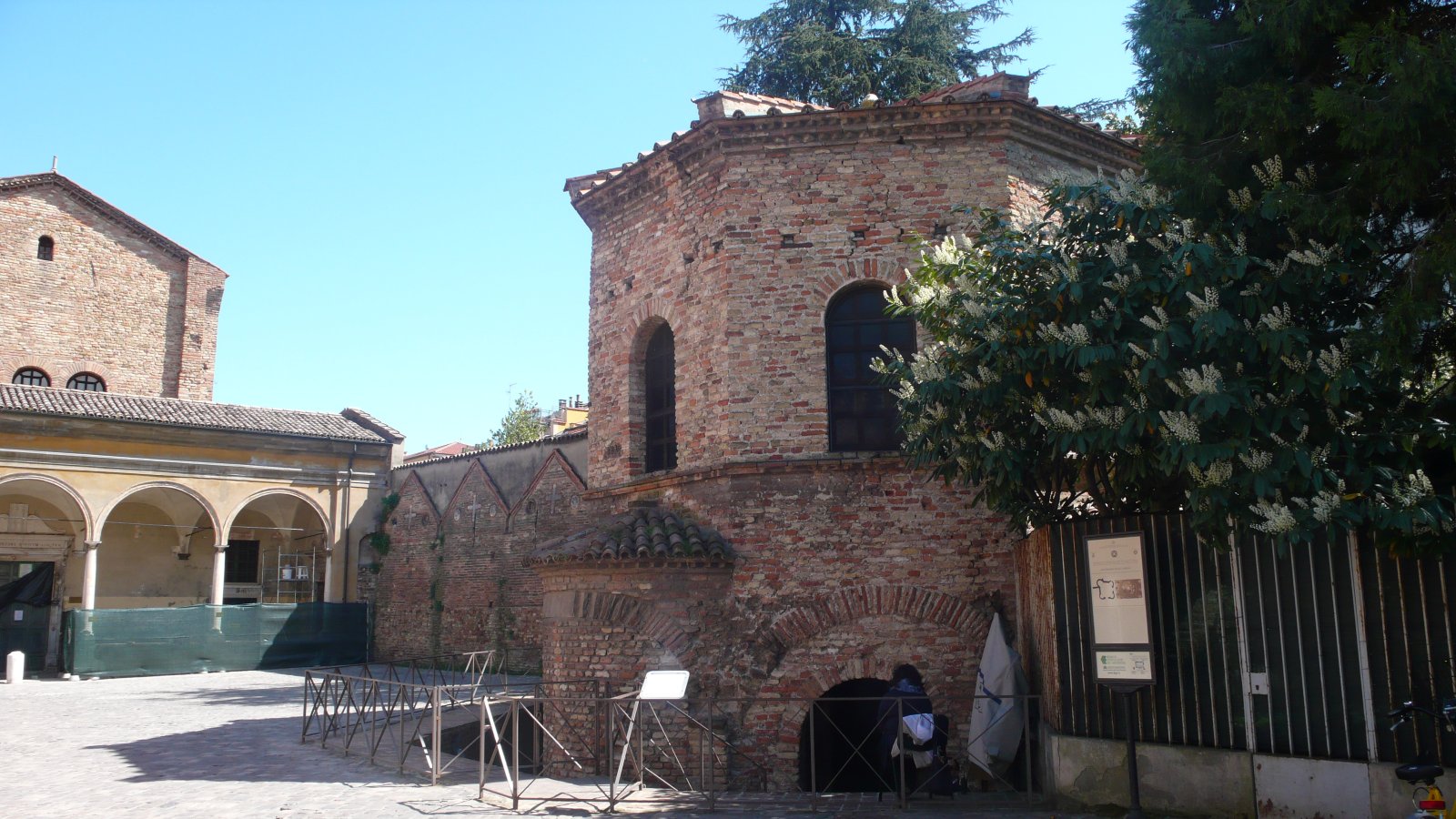
The Baptistery was constructed during the reign of the Gothic King Theodoric the Great between 493 and 526 AD. Initially built as the baptistery for the ancient Aryan Cathedral, it served the Arian Christian community, which was distinct from the Orthodox Christians. Theodoric’s rule marked a pivotal moment in Italian history, blending Gothic and Roman cultures. This baptismal site held immense significance for the Arians until the mid-6th century, when the rise of Orthodox Christianity prompted a shift in its use. Under Archbishop Agnello, it was reconciled to Orthodox worship and transformed into an oratory dedicated to the Virgin Mary, showcasing the evolving religious landscape of the time.
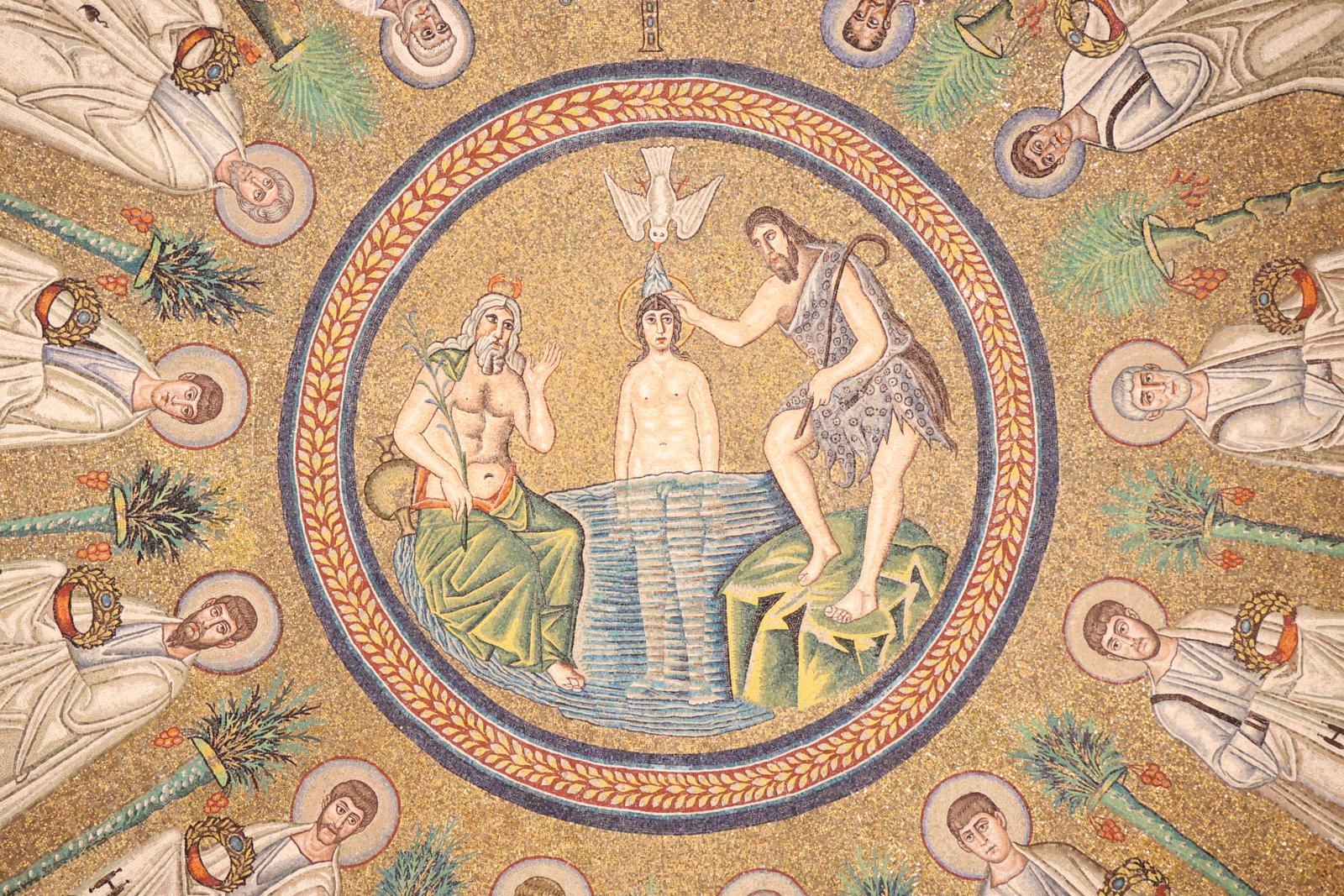
Architecturally, the Baptistery is a stunning example of early Christian architecture, characterized by its octagonal plan—a shape symbolizing eternity. The exterior is relatively unadorned, allowing the interior’s artistic splendor to take center stage. Upon entering, visitors are greeted by a breathtaking array of mosaics, the most striking of which depicts the Baptism of Christ surrounded by the Apostles, elegantly arranged in a procession. These mosaics, crafted with vibrant colors and intricate details, are not only an artistic marvel but also a representation of the theological significance of baptism in early Christianity. The golden background of the mosaics enhances the ethereal quality of the space, inviting contemplation and reflection.
The local culture surrounding the Baptistery is deeply rooted in the traditions of Ravenna. The city is renowned for its rich history of mosaics, and the Baptistery is a pivotal part of this artistic legacy. Visitors may find themselves immersed in the local customs, such as the celebration of Ravenna's Mosaico Festival, which highlights the city's commitment to preserving and celebrating its mosaic heritage. This festival, held annually in September, includes workshops, guided tours, and exhibitions that showcase not only the historical significance of mosaics but also their relevance in contemporary art.
When it comes to gastronomy, Ravenna offers a delightful array of local dishes that reflect its coastal location and agricultural bounty. One must-try dish is Passatelli, a traditional pasta made from breadcrumbs, eggs, and cheese, often served in broth. Another culinary highlight is Piadina, a flatbread filled with a variety of ingredients, from cured meats to fresh vegetables, embodying the flavors of the Emilia-Romagna region. Pair your meal with a glass of Sangiovese, a local red wine that beautifully complements the region's rich flavors.
For those curious about lesser-known aspects of the Baptistery, one intriguing fact is that it was nearly lost to history. Following the fall of the Western Roman Empire, many early Christian sites fell into disrepair. The Baptistery, however, was preserved largely due to its conversion to an oratory, which safeguarded it from neglect. Additionally, the mosaics within the Baptistery are not just decorative; they also serve as a narrative of the Christian faith, incorporating elements that were radical for their time, such as the depiction of Christ as a young man, a break from traditional representations.
Visiting the Baptistery of the Aryans is best done during the spring or early autumn, when the weather is mild and the crowds are smaller. Early mornings are particularly serene, allowing for a peaceful experience of the mosaics and the contemplative atmosphere of the site. Don’t forget to take a closer look at the intricate details of the mosaics, as they contain hidden symbols and stories that reflect the theological debates of the era.
For a truly enriched experience, consider using the Secret World app to create a personalized itinerary that includes the Baptistery and other historical treasures in Ravenna.


