
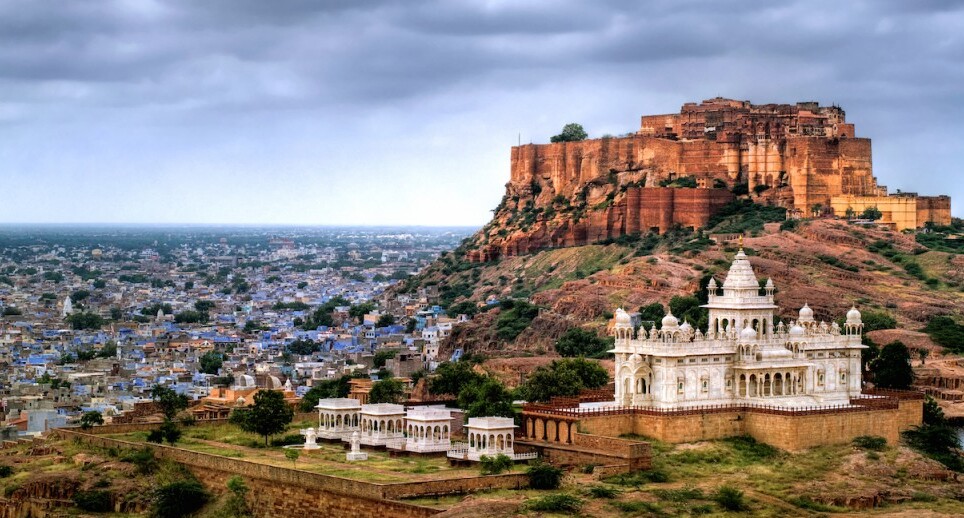

In the heart of Rajasthan lies Jodhpur, a city that enchants visitors with its striking blue buildings and storied past. Known as the Blue City, Jodhpur's azure-hued homes lay nestled beneath the splendid Mehrangarh Fort, a majestic structure that dominates the skyline and offers breathtaking views of the city and its vibrant streets.
History and Origins
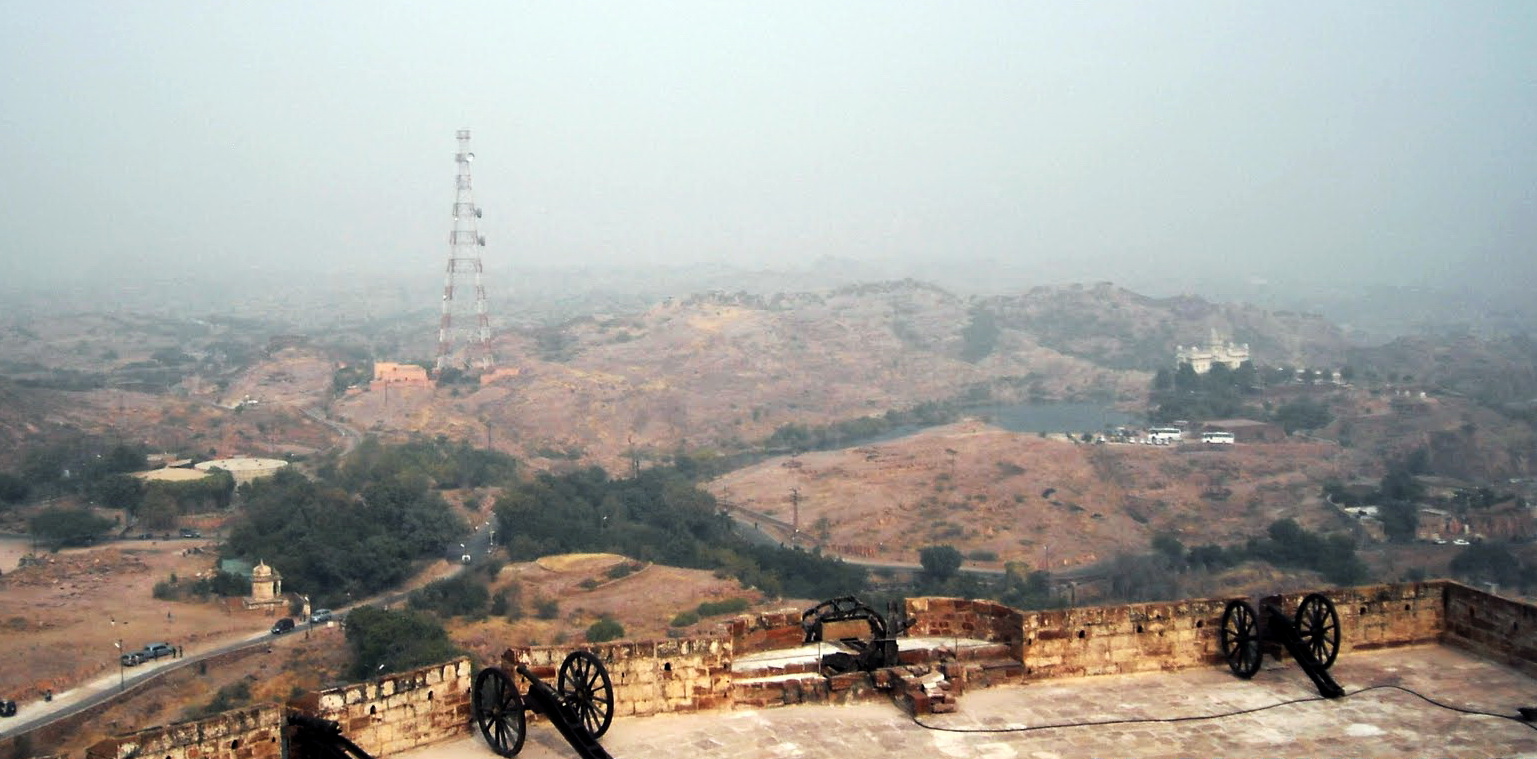
Founded in 1459 by Rao Jodha, the city was established as the capital of the Marwar kingdom. The fort was built to protect the burgeoning city from invaders and soon became a symbol of the region's power. Over the centuries, Jodhpur has witnessed numerous historical events, including the conflicts between the Rajputs and the Mughal Empire. The fort itself was the site of significant battles, and it was from these battlements that Maharaja Jaswant Singh famously repelled Mughal forces in the late 17th century.
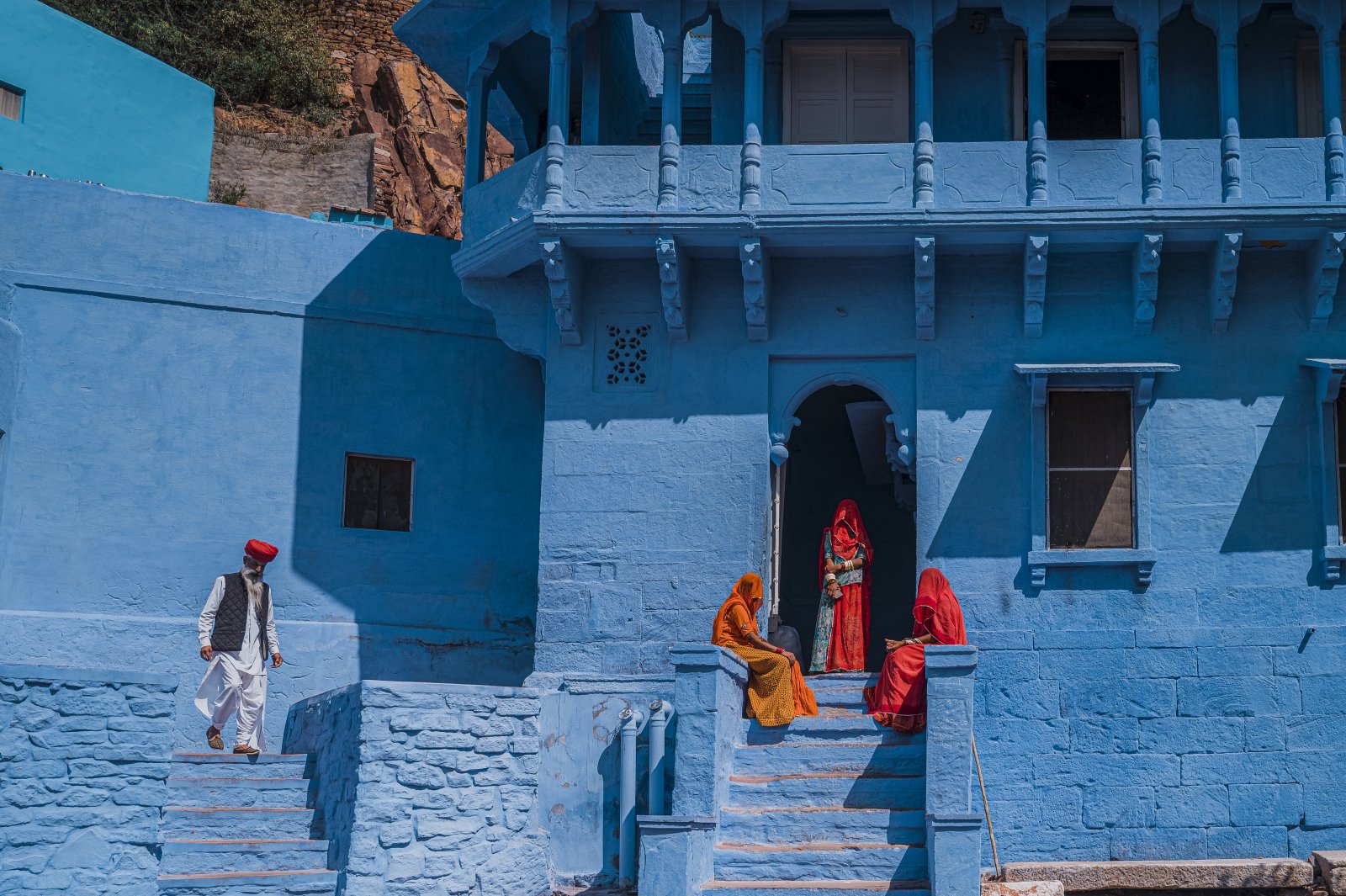
Interestingly, the color blue is not merely a whimsical choice; it has deep cultural roots. While the popular belief is that the blue paint helps keep homes cool during the sweltering summers, the truth lies in its practical origins. The blue hue, derived from copper salts mixed with lime wash, was a clever solution to combat the termite infestations that plagued the region’s traditional building methods.
Art and Architecture
The architectural style of Jodhpur is a stunning blend of Rajput and Mughal influences, characterized by intricate carvings, expansive courtyards, and imposing gateways. Mehrangarh Fort is a prime example, featuring thick walls, ornate palaces, and expansive galleries. Inside, visitors can explore the Maharaja's Museum, which houses an impressive collection of artifacts, including royal palanquins and musical instruments.
The city is also home to several beautifully adorned havelis (traditional mansions), with their elaborate frescoes and jharokhas (overhanging enclosed balconies). One notable example is the Umaid Bhawan Palace, which serves as both a luxury hotel and a museum detailing the history of the Chattarpur dynasty.
Local Culture and Traditions
Cultural life in Jodhpur is vibrant and colorful, steeped in tradition. Festivals such as Diwali, Holi, and the Marwar Festival draw both locals and tourists alike, showcasing traditional music, dance, and local cuisine. The annual Marwar Festival, held in October, celebrates the region's rich cultural heritage, featuring performances by folk artists, camel races, and handicraft exhibitions.
Moreover, the local customs reveal a unique blend of Rajput valor and Rajasthani hospitality, with residents often inviting guests to experience their way of life. From traditional attire like bandhani (tie-dye) saris to the vibrant markets filled with textiles and handicrafts, visitors can immerse themselves in the city's rich cultural tapestry.
Gastronomy
No visit to Jodhpur is complete without indulging in its culinary delights. The city is renowned for its Rajasthani cuisine, which is characterized by its bold flavors and use of spices. Dishes like dal baati churma (a combination of lentils, baked wheat balls, and sweetened crushed wheat), and gatte ki sabzi (gram flour dumplings in curry) are must-tries.
For those with a sweet tooth, mava kachori and jalebi are popular local treats that should not be missed. Pairing these dishes with a glass of lassi—a creamy yogurt-based drink—adds to the culinary experience that Jodhpur offers.
Lesser-known Curiosities
While the blue color of Jodhpur is widely recognized, many visitors overlook the clock tower and the bustling Sardar Market nearby. This vibrant bazaar is a treasure trove of spices, textiles, and handicrafts, where the aroma of local street food wafts through the air. Another fascinating aspect of Jodhpur is its connection to the film industry; the city has served as a backdrop for numerous Bollywood films, including parts of the acclaimed movie The Best Exotic Marigold Hotel.
Additionally, the city is home to a unique tradition of Phool Mahal (Flower Palace), where royal weddings were held amid elaborate floral decorations. It provides a glimpse into the opulent lifestyles of the erstwhile royalty.
Practical Visitor Information
The best time to visit Jodhpur is between October and March, when the weather is pleasantly cool, making it ideal for exploring the city on foot. Visitors should not miss out on the Jaswant Thada, a beautiful marble cenotaph built in memory of Maharaja Jaswant Singh II, which offers a serene escape from the hustle and bustle.
For a more immersive experience, consider engaging with local guides who can provide insights into the city's history and culture. And don’t forget to keep an eye out for local artisans creating stunning handicrafts that make perfect souvenirs.
In Jodhpur, the vibrant blue streets and rich history come together to create a mesmerizing experience that lingers long after your visit. For a tailored itinerary that captures the essence of this enchanting city, consider using the Secret World app to plan your journey.


