



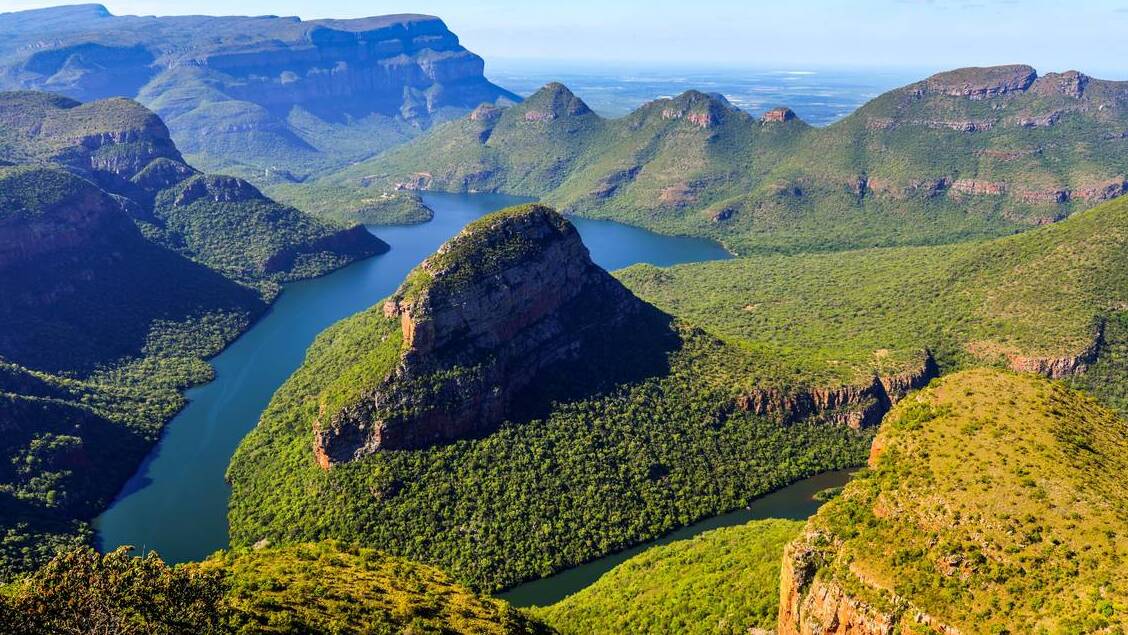
The Blyde River Canyon, a breathtaking gem tucked away in Mpumalanga, South Africa, is more than just a stunning landscape; it is a tapestry woven from history, culture, and nature. Stretching across 26 kilometers, this canyon is recognized as one of the largest in the world and is celebrated for its lush, subtropical vegetation, earning the title of the largest green canyon globally. The striking contrast of red sandstone cliffs against vibrant greenery creates a picturesque vista that captivates visitors from around the globe.
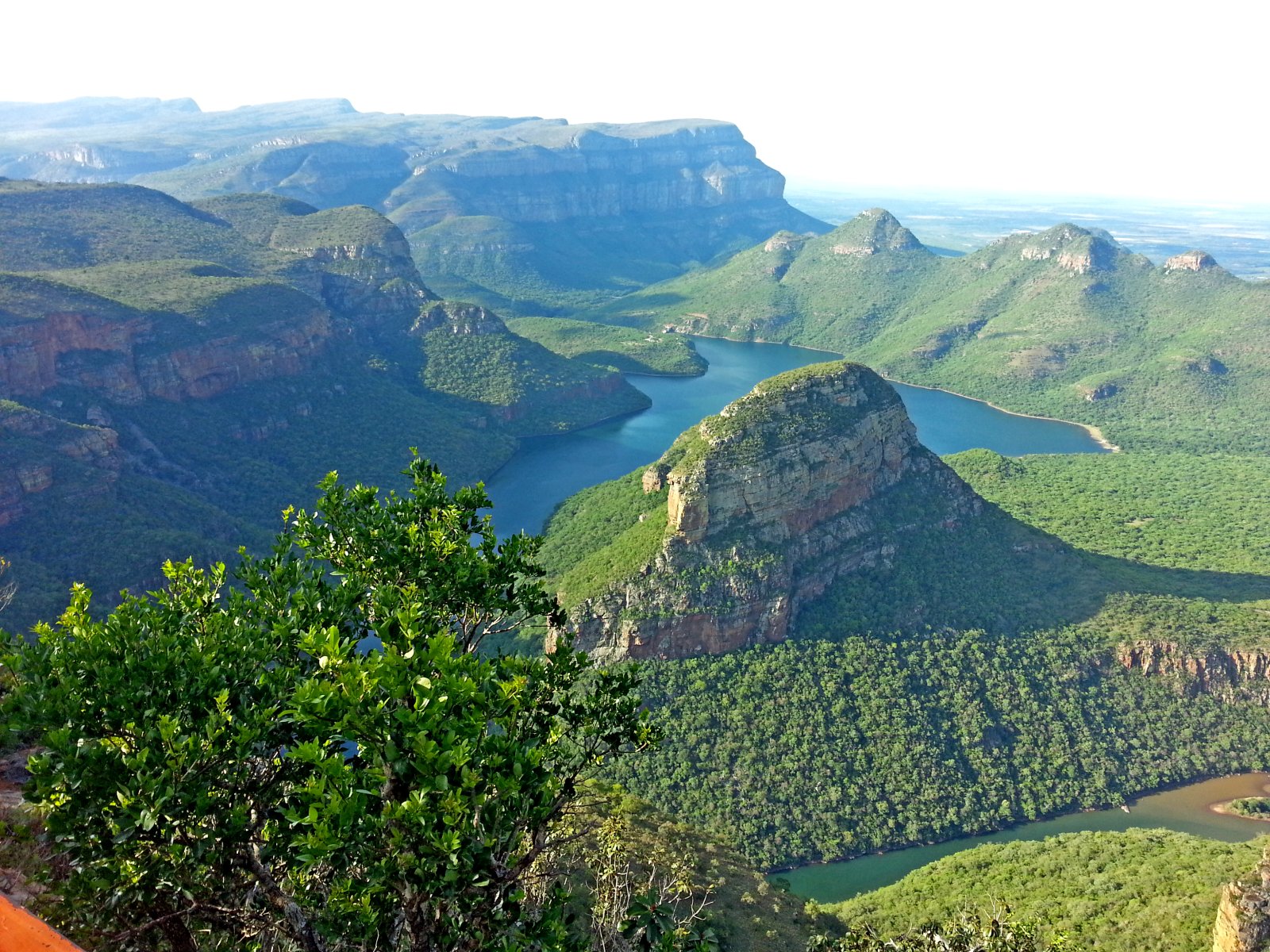
History and Origins The geological story of the Blyde River Canyon dates back over 200 million years. Formed during the late Triassic period, the canyon showcases the stunning force of nature through its dramatic cliffs and valleys, sculpted by the Blyde River over millennia. Historically, this area was inhabited by the San people, who left behind rock art that offers a glimpse into their beliefs and daily life. European settlers began to arrive in the late 19th century, drawn by the area’s beauty and resources.
Art and Architecture While the primary draw of the canyon is its natural beauty, the surrounding area is also rich in cultural expression. The architecture here is characterized by a blend of traditional African styles and more modern influences, evident in local villages and visitor centers. Notable artworks often include handmade crafts and beaded jewelry, reflecting the artistry of the local communities. The canyon area inspires many artists, photographers, and writers who seek to capture its essence in various forms.
Local Culture and Traditions The cultural tapestry of the Blyde River Canyon is vibrant and diverse, with influences from the Tswana, Swazi, and Ndebele peoples. Local customs often revolve around the land and nature, with festivals celebrating harvests and seasonal changes. One of the highlights is the Blyde River Canyon Festival, usually held in the spring, which showcases local music, dance, and crafts, bringing together communities and visitors alike.
Gastronomy Visitors to the Blyde River Canyon can indulge in a variety of local foods that reflect the region's rich heritage. Traditional dishes often include pap (a staple maize dish), braai (barbecue), and biltong (dried cured meat). Local markets offer an array of fresh produce, including fruits and vegetables grown in the fertile soils of Mpumalanga. To wash it down, try a glass of local craft beer or the sweet taste of amarula, a cream liqueur made from the fruit of the marula tree.
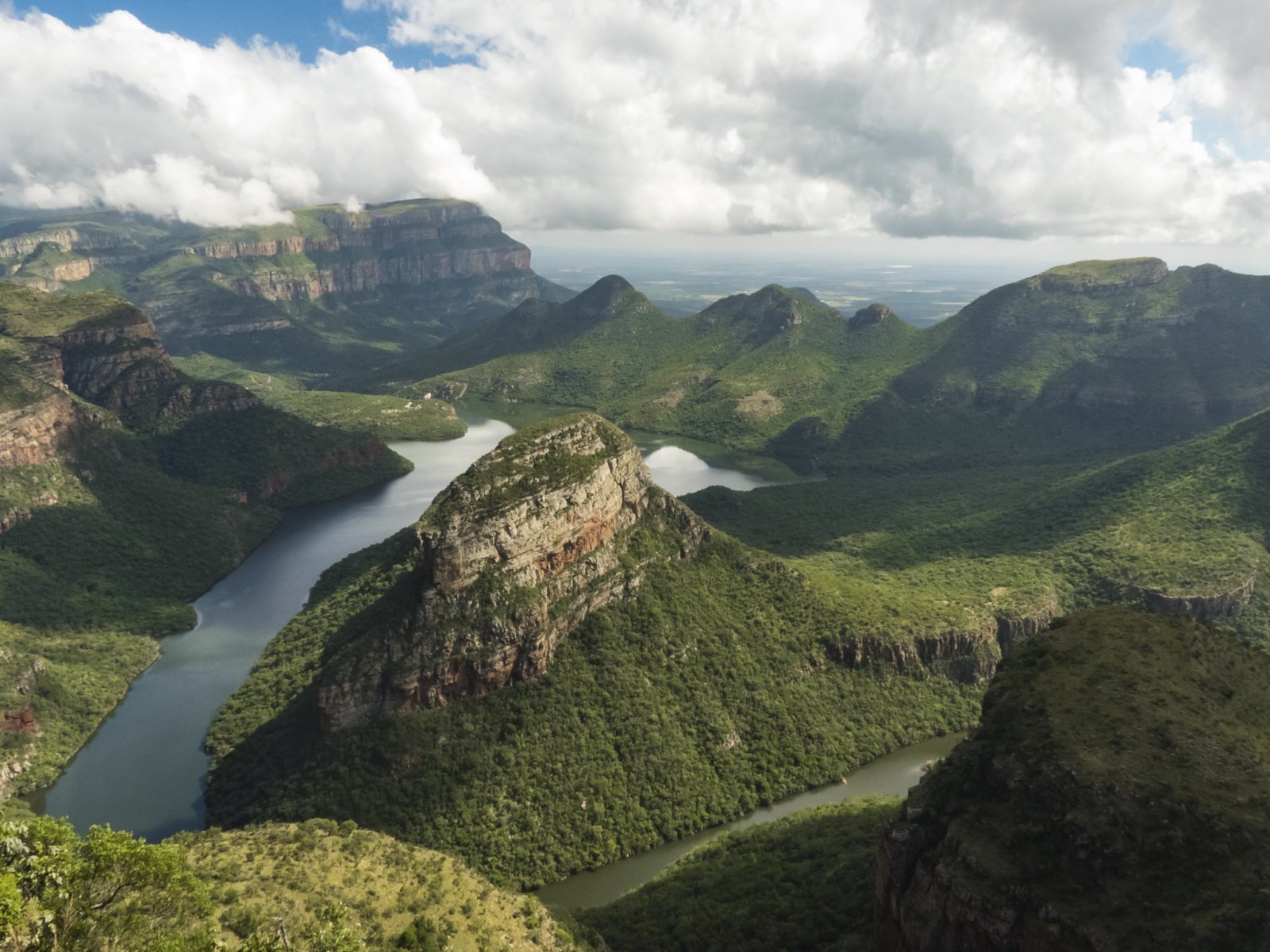
Lesser-known Curiosities Beyond the breathtaking views, the Blyde River Canyon harbors intriguing secrets. One of the canyon’s remarkable features is the Kadishi tufa waterfall, recognized as one of the few living tufa waterfalls in the world. Dropping an impressive 200 meters, it is the second highest of its kind. The canyon is also home to the Three Rondavels, three rounded peaks that resemble traditional African huts, which are steeped in local legend. Many visitors miss the chance to hike the Blyde River Canyon Nature Reserve, which offers stunning views and diverse wildlife, including the elusive African wild dog.
Practical Visitor Information The best time to visit the Blyde River Canyon is during the dry season, which runs from May to September. During these months, the weather is cooler and less humid, making it ideal for outdoor activities such as hiking and photography. Be sure to pack comfortable shoes, a camera to capture the stunning vistas, and plenty of water. Local guides can provide insights into the flora and fauna, enhancing the experience.
For a truly personalized adventure, consider planning your trip with the Secret World app, which can help you create a tailored itinerary to explore the wonders of Mpumalanga.
