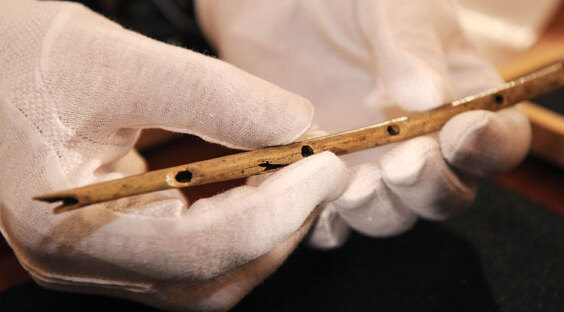

In the depths of Geissenkloesterle Cave, nestled in the Swabian Jura of Germany, a remarkable glimpse into our musical ancestry awaits. This ancient site is home to the world’s oldest known musical instruments—bone flutes—that date back an astonishing 42,000 to 43,000 years, highlighting the rich tapestry of early human creativity.
### History and Origins
Geissenkloesterle Cave has been a significant archaeological site, providing insights into the lives of Aurignacian hunter-gatherers, the first modern humans in Europe. Discovered in the 1930s, the cave has undergone extensive excavation, revealing layers of habitation and artifacts that narrate the story of early human life. The flutes, crafted from bird bone and mammoth ivory, were unearthed in 2008 and represent a significant breakthrough in understanding the cultural practices of our ancestors. Researchers utilized carbon dating techniques to confirm their age, surpassing the previous record holders from Hohle Fels Cave, which were estimated to be around 35,000 years old.
### Art and Architecture
While Geissenkloesterle is primarily known for its archaeological significance, the cave itself is a natural wonder. The rugged limestone formations and expansive chambers provide a dramatic backdrop that speaks to the Earth’s geological history. The artistry of the flutes, however, takes center stage, showcasing the early humans' ability to transform natural materials into instruments of expression. Each flute, intricately carved with precise holes, echoes the resonant sounds of a time long past, suggesting that music was an integral part of their social and perhaps spiritual lives.
### Local Culture and Traditions
The region surrounding Tübingen, where Geissenkloesterle is located, is steeped in rich traditions and cultural significance. Local customs often reflect the intertwined relationship between nature and community. Festivals such as the Tübingen Fair celebrate regional crafts, music, and food, drawing residents and visitors alike to partake in shared heritage. The discovery of the flutes has amplified interest in prehistoric culture, inspiring local storytelling and educational initiatives aimed at preserving this ancient legacy.
### Gastronomy
Exploring the culinary landscape of Tübingen is as rewarding as its historical and cultural offerings. The region is renowned for its Swabian cuisine, characterized by hearty dishes and fresh local ingredients. Maultaschen, a type of stuffed pasta, is a local favorite, often served in broth or pan-fried. Accompanying this dish, one might enjoy a glass of Tübinger wine, celebrated for its crisp and refreshing qualities, particularly the Trollinger and Lemberger varieties. These flavors connect visitors to the region's agricultural practices, much like the flutes connect us to its ancient inhabitants.
### Lesser-known Curiosities
While many flock to Geissenkloesterle to marvel at the flutes, few know that the cave has also yielded other fascinating artifacts, including tools and ornaments that illustrate the daily lives of its ancient occupants. Additionally, the cave is part of a UNESCO World Heritage site that includes several other nearby caves, each contributing to our understanding of prehistoric human life. The surrounding landscape, dotted with historical landmarks, offers opportunities for exploration beyond the cave itself, making it a treasure trove for history enthusiasts.
### Practical Visitor Information
For those keen on visiting Geissenkloesterle, the best time to explore is during the mild months of spring and early autumn when the weather is pleasant for outdoor activities. Access to the cave is often part of guided tours that delve into the archaeological significance of the site. Visitors should look for the small museum nearby, which showcases replicas of the flutes and offers deeper insights into the region’s history. Engaging with knowledgeable guides can enrich the experience, making the ancient past feel vivid and alive.
In conclusion, the discovery of the bone flutes at Geissenkloesterle Cave not only uncovers the musical heritage of our ancestors but also invites us to reflect on the enduring power of artistry and culture. To fully appreciate Tübingen’s rich history and vibrant local life, consider using the Secret World app to craft a personalized itinerary that highlights your interests.
