
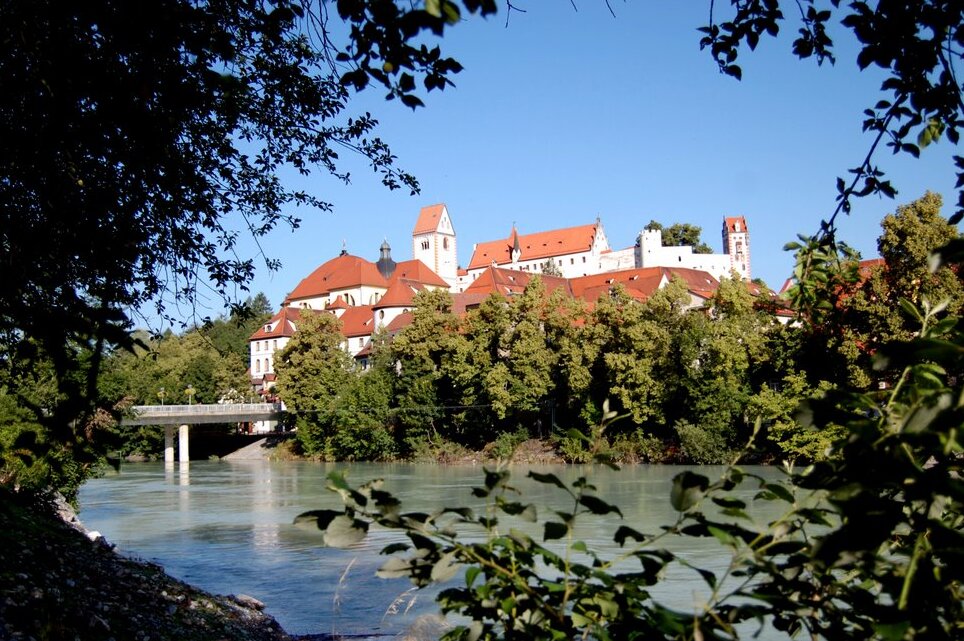

Perched majestically above the charming town of Füssen in Bavaria, the Hohes Schloss (High Castle) stands as a testament to the rich tapestry of history and culture that this region offers. Once the summer retreat for the prince-bishops of Augsburg, this castle is not just a relic of the past but a vibrant piece of the cultural mosaic of southern Germany.
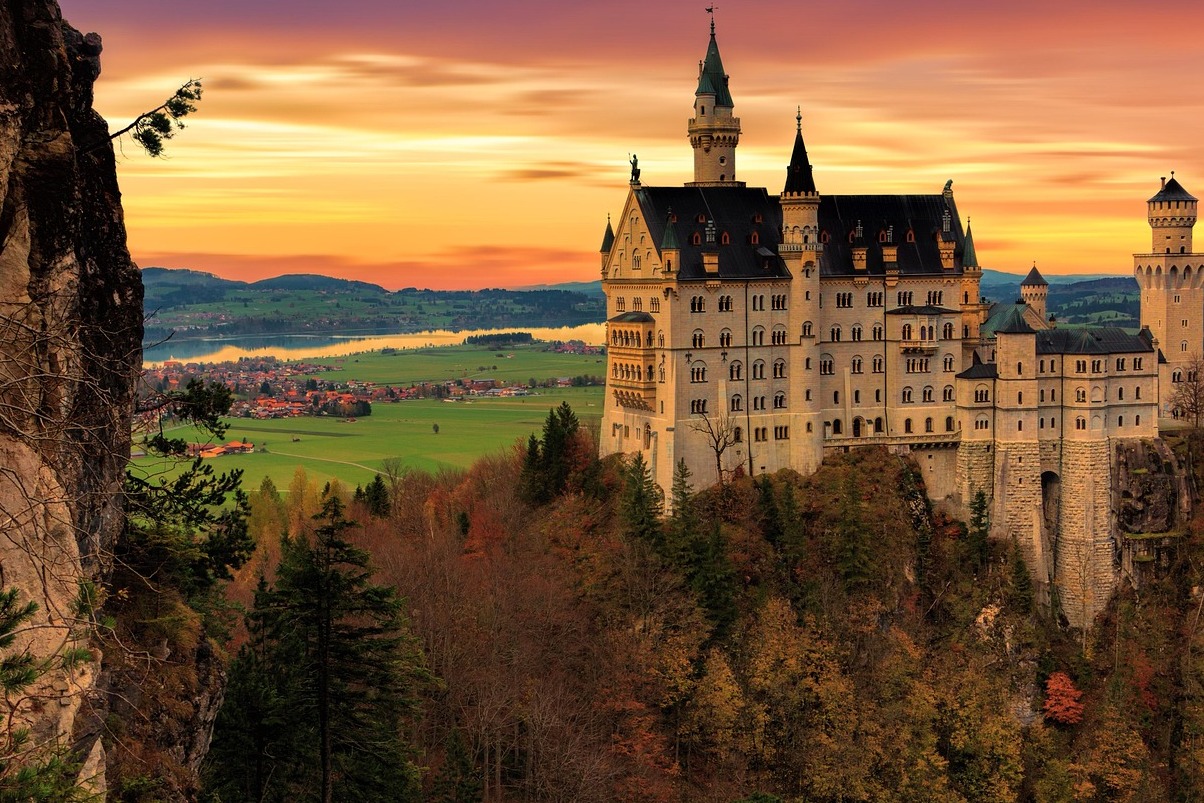
The history of the Hohes Schloss dates back to the late 13th century when it was first constructed as a fortress. Over the centuries, it evolved, particularly in the 15th and 16th centuries, under the auspices of the prince-bishops. The castle's strategic position near the border with Austria made it an important military stronghold. However, it was the 15th-century bishop Friedrich II von Zollern who transformed the castle into a palatial residence, adding the unique trompe l'oeil paintings that adorn the façades. These intricate artworks give the illusion of three-dimensional architectural details and are a rare example of this artistic technique in Germany, capturing the eye and the imagination.
The castle's architectural style is a harmonious blend of Gothic and Renaissance influences, showcasing the transition between the two periods. Visitors are often mesmerized by the high towers and fortified walls, which appear to whisper tales of medieval knights and bishops. Inside, the castle houses a museum dedicated to Swabian art, featuring a collection that spans from the 15th to the 18th century. The art pieces, including sculptures and paintings, offer insights into the region's artistic evolution and are a must-see for any culture enthusiast.
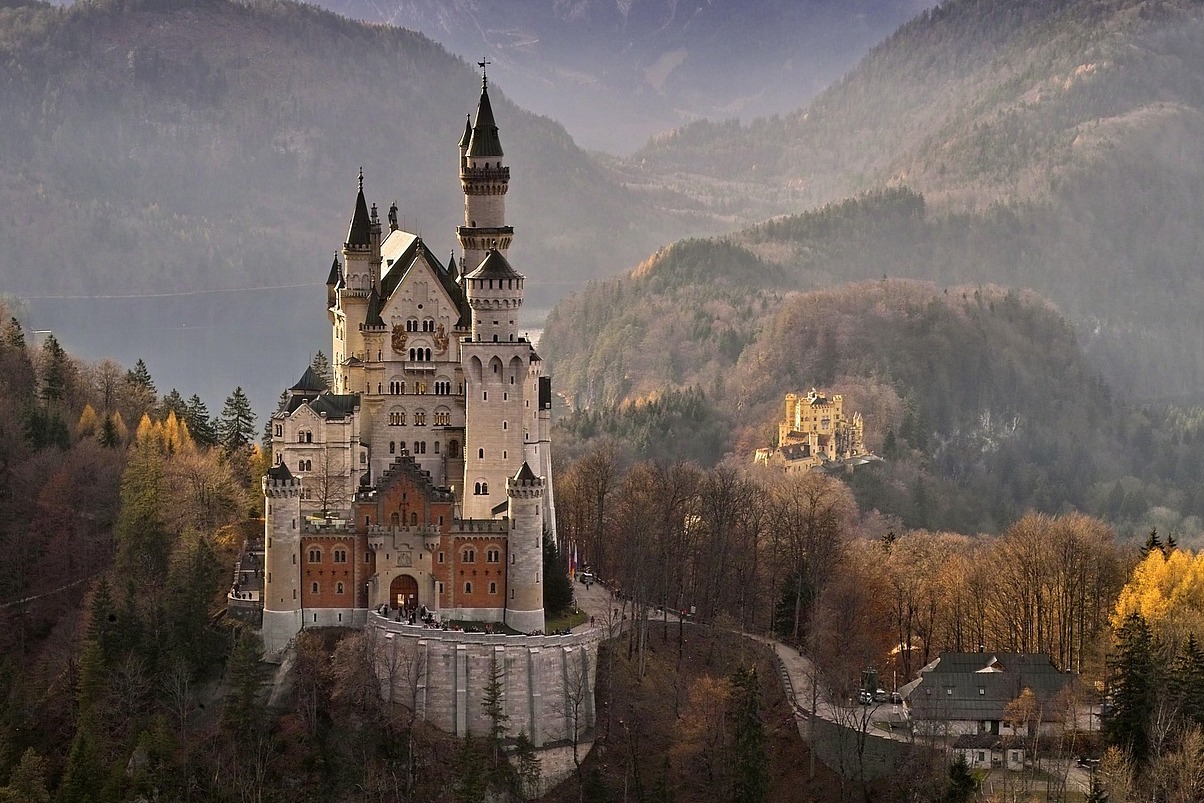
Füssen itself is a cradle of Bavarian traditions. The town celebrates its history with annual festivals such as the Kaiserin Elisabeth Fest, which brings the past to life with period costumes and traditional music. The influence of the castle is evident in these celebrations, as it often serves as a backdrop for cultural events that draw both locals and tourists.
A visit to Füssen would be incomplete without indulging in the local gastronomy. The region is famed for its hearty Bavarian cuisine, with dishes such as Schweinshaxe (roasted pork knuckle) and Spätzle (soft egg noodles) delighting the palate. Pair these with a pint of local Bavarian beer, and you have a meal that’s as rich in flavor as it is in tradition. For those with a sweet tooth, the Apfelstrudel, a warm apple pastry, is a perfect end to a meal, especially when enjoyed in the shadow of the castle.
Despite its storied past, the Hohes Schloss holds some secrets that even the most seasoned travelers might overlook. One such curiosity is the Schreibstube, or writing room, which features an intricate wood-paneled ceiling that dates back to the castle's Renaissance renovation. It's a hidden gem that speaks to the craftsmanship and attention to detail of its creators. Another intriguing feature is the castle's clock tower, which not only tells time but also serves as a historical marker, having witnessed the passage of centuries.
For visitors planning a trip, the best time to explore the Hohes Schloss is during the late spring or early autumn. The mild weather during these seasons allows for comfortable exploration of both the castle and the idyllic town below. It is advisable to wear comfortable shoes, as the cobblestone paths and the climb up to the castle can be demanding. Once inside, take your time to appreciate the trompe l'oeil paintings in the courtyard — a guided tour can provide fascinating insights into their creation and significance.
While the Hohes Schloss is undoubtedly a highlight, Füssen offers a myriad of experiences, from wandering its picturesque streets to exploring the nearby Forggensee lake. Each corner of this town tells a story, woven together by the presence of the castle that has watched over it for centuries. A visit here is not just a journey through history, but an immersion into the living culture of Bavaria.


