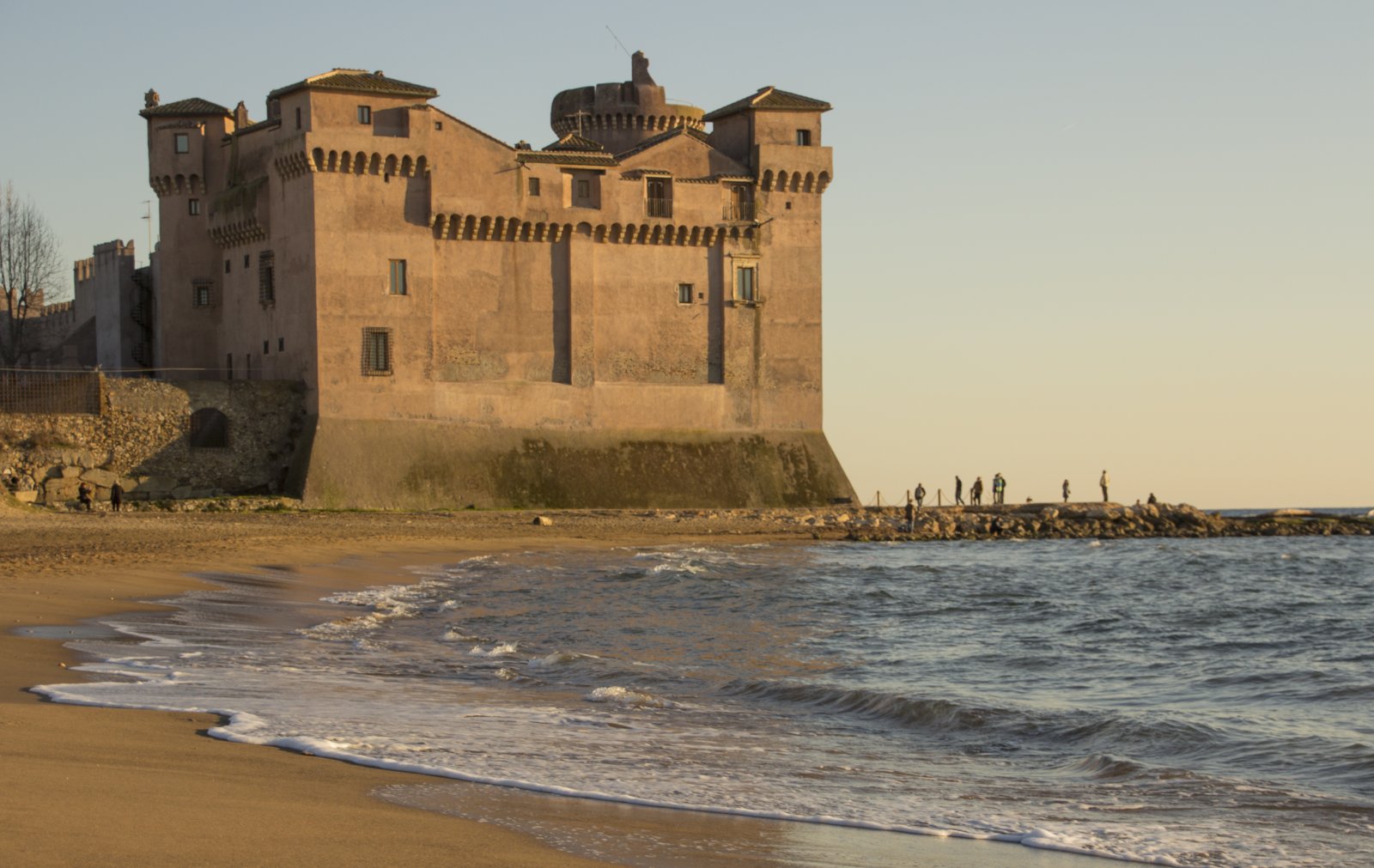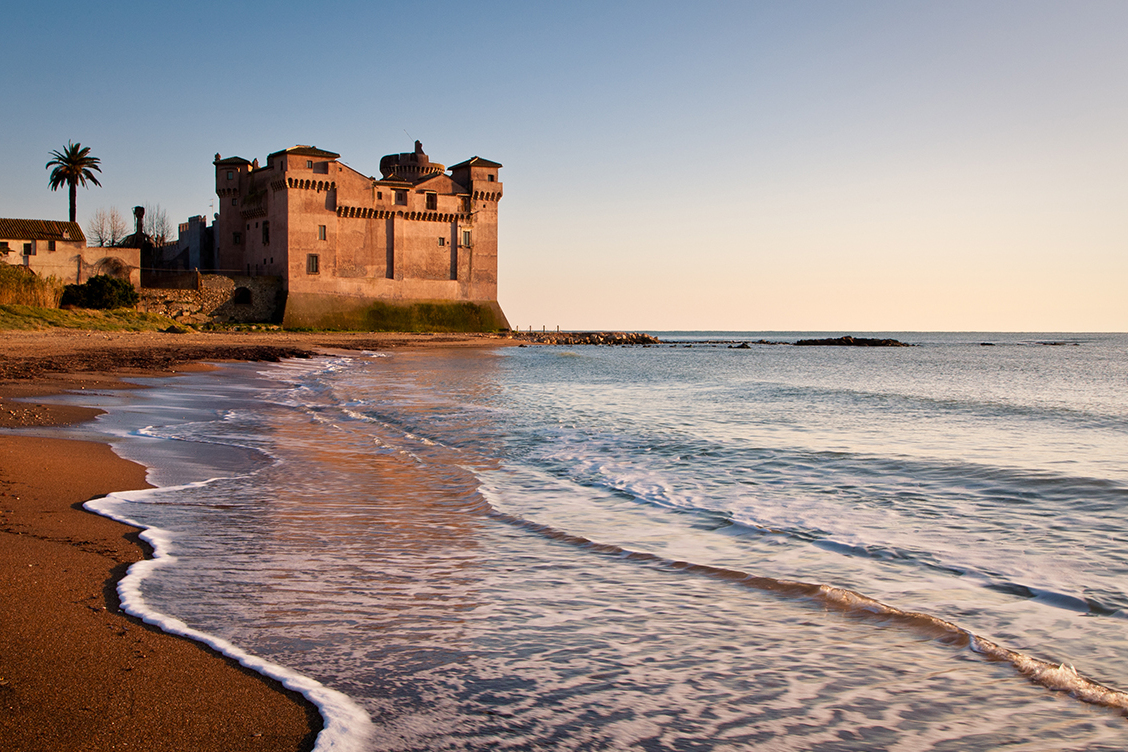

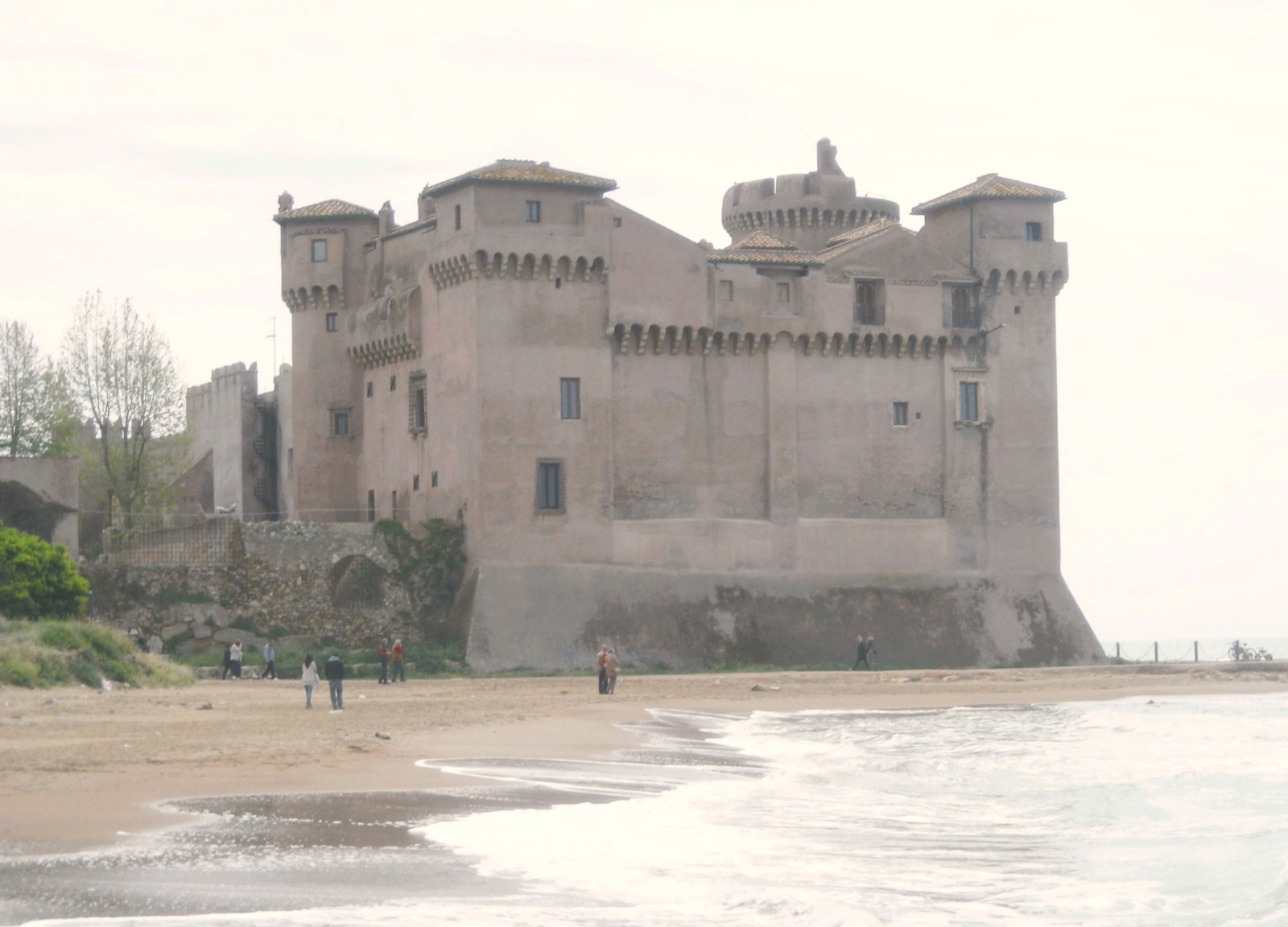
Perched majestically on the Tyrrhenian coast just north of Rome, the Castle of Santa Severa is a captivating blend of history, architecture, and culture. This stunning fortress not only serves as a key landmark but also stands witness to the rich tapestry of ancient civilizations that flourished in this region.
### History and Origins
The roots of the Castle of Santa Severa trace back to the ancient port city of Pyrgi, which was a vital maritime hub connected to the Etruscan city of Caere, now known as Cerveteri. Founded between the late seventh and early sixth century BC, Pyrgi flourished around its port, extending over approximately 10 hectares. This location was strategically important for trade, influencing the area’s development throughout antiquity.
Pyrgi is particularly notable for its religious significance, as it housed one of the most important temples dedicated to the goddess Uni, the Etruscan equivalent of Juno. In A.D. 409, the city fell into decline when the Visigoths invaded, marking a pivotal shift in the region's historical trajectory. The castle that stands today was built in the 12th century, transforming Pyrgi’s remnants into a robust defensive structure. Over time, it was modified and expanded, especially during the Renaissance, when it became a residence for nobility and a strategic military outpost.
### Art and Architecture
The architectural style of the Castle of Santa Severa reflects a fascinating blend of medieval and Renaissance elements, characterized by its imposing stone walls and fortified towers. The castle features a square plan, with massive walls designed to withstand sieges and invasions, while its strategic location provides breathtaking views of the surrounding coastline.
Inside, visitors can admire various significant artworks, including frescoes that adorn the castle’s chambers, depicting scenes of daily life in ancient times. The Pyrgi tablets, discovered in the vicinity, are invaluable artifacts that showcase the Etruscan language and culture, further enhancing the castle’s artistic significance. These tablets, inscribed in both Etruscan and Phoenician, highlight the cultural exchanges that took place in this ancient port.
### Local Culture and Traditions
The local culture surrounding the Castle of Santa Severa is vibrant and steeped in traditions that celebrate its rich history. The castle regularly hosts cultural events, including historical reenactments and art exhibitions, allowing visitors to immerse themselves in the area’s heritage.
One of the most anticipated events is the Festa di Santa Severa, held in early September, which commemorates the town's patron saint. This lively festival features traditional music, dance, and local crafts, drawing both residents and tourists alike. The castle's grounds are transformed into a hub of activity, making it a perfect time to experience the community spirit and local customs.
### Gastronomy
No visit to the Castle of Santa Severa would be complete without indulging in the local gastronomy. The region is known for its seafood, thanks to its coastal location. Fresh fish dishes, such as spaghetti alle vongole (spaghetti with clams) and grigliata di pesce (grilled fish), are staples in local restaurants.
Another culinary delight is porchetta, a succulent roast pork dish seasoned with garlic, rosemary, and other herbs, often enjoyed at local festivals. For those with a sweet tooth, maritozzi, a traditional Roman pastry filled with cream, is a must-try. Pair your meal with a glass of Frascati wine, a local white wine renowned for its crispness and flavor, completing the gastronomic experience.
### Lesser-Known Curiosities
While the castle's historical significance is well-known, several lesser-known facts add intrigue to this destination. One interesting detail is the ancient Roman road, Via Aurelia, which once connected Rome to the coastal towns, passing directly by Pyrgi. This road facilitated not only trade but also the movement of armies and pilgrims.
Additionally, the castle’s dungeon is often overlooked by visitors. This dark, atmospheric space reveals stories of past prisoners and can evoke a sense of the castle's tumultuous history. Legend has it that the castle is haunted by the spirit of a young woman who mysteriously disappeared centuries ago, adding a touch of mystique to the site.
### Practical Visitor Information
The best time to visit the Castle of Santa Severa is during the spring and early autumn months when the weather is mild, and outdoor events are plentiful. It is advisable to check the castle's official website for updates on guided tours and special events, as these can enhance your experience.
When exploring the castle, take time to wander the surrounding grounds, which offer picturesque views of the coastline and the lush countryside. Be sure to visit the small museum within the castle that showcases artifacts from Pyrgi, providing deeper insights into the region’s rich history.
As you plan your trip to this magnificent site, consider using the Secret World app to create a personalized itinerary that includes Santa Severa’s hidden gems.