
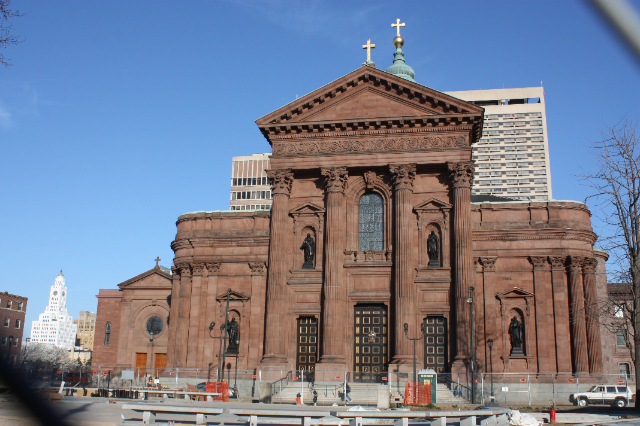

In the heart of Philadelphia, the Cathedral Basilica of Saints Peter and Paul stands as a monumental testament to history, art, and faith, captivating visitors with its grandeur and solemnity. As the largest Catholic church in Pennsylvania, this magnificent structure is not just an architectural marvel but also a beacon of cultural and spiritual significance.
The origins of the Cathedral Basilica can be traced back to the mid-19th century, a time when Philadelphia's Catholic community was burgeoning. The cornerstone was laid in 1846, and the construction spanned nearly two decades, a reflection of the era's ambitious architectural endeavors. The cathedral was finally dedicated on November 20, 1864. The land for the church was acquired by Bishop Francis Kenrick, who envisioned a grand place of worship that would serve the city's growing Catholic population. This vision came to fruition under the guidance of Bishop John Neumann, later canonized as a saint, who played a crucial role in its completion.
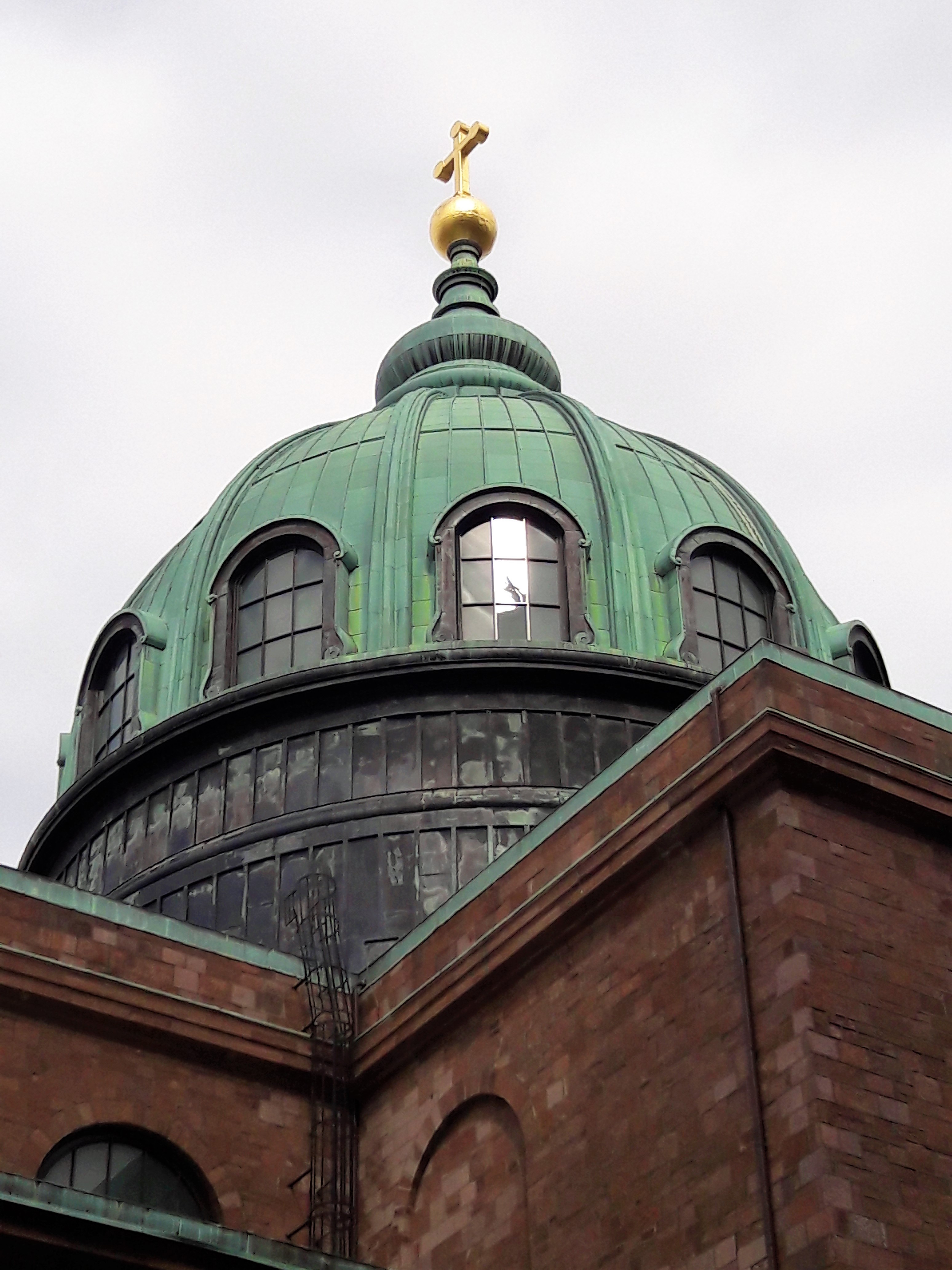
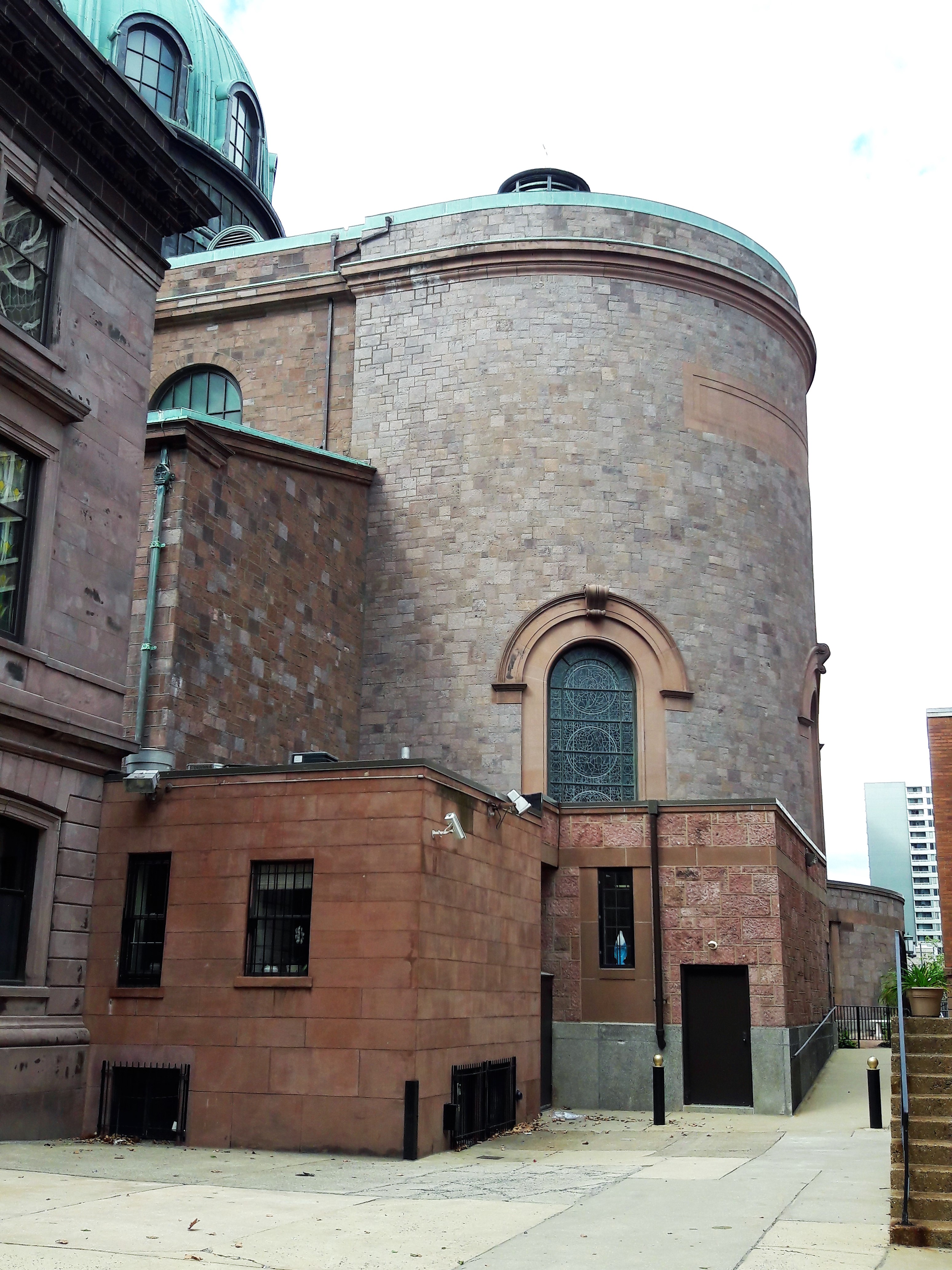
The cathedral's architecture is a stunning example of the Renaissance Revival style, a nod to the classical influences of Europe. Designed by the renowned architect Napoleon LeBrun, with significant contributions from John Notman and George Strecker, the building features a majestic brownstone façade, capped by a distinctive copper dome that rises 156 feet above the ground. Inside, visitors are greeted by a vast nave accented with intricate stained-glass windows that date back to the late 19th century, crafted by the famous Meyer of Munich and Franz Mayer & Co. of Germany.
Art lovers will be particularly enchanted by the cathedral's interior. The high altar, made from marble and adorned with exquisite mosaics, is a focal point of awe and reverence. The Baldachin, or canopy, over the altar, is a masterpiece in itself, echoing the grandeur of St. Peter’s Basilica in Rome. The cathedral also houses a series of impressive murals by the Italian artist Nicola D’Ascenzo, depicting scenes from the lives of Saints Peter and Paul, adding depth and narrative to the sacred space.
While the Cathedral Basilica serves as a place of worship, it also plays a vibrant role in Philadelphia’s cultural landscape. It is the site of numerous religious events and festivals, most notably the annual St. Patrick's Day Parade Mass, a tradition that underscores the city's rich Irish heritage. The cathedral hosts concerts and community gatherings, fostering a spirit of inclusivity and dialogue among diverse cultural groups.
For those intrigued by local gastronomy, a visit to the cathedral can be complemented by indulging in Philadelphia's culinary delights. While the church itself does not serve food, the surrounding area offers a taste of the city’s famous cuisine. Visitors can savor a classic Philly cheesesteak or enjoy a warm soft pretzel, both of which are iconic to the region. Nearby eateries also serve scrapple, a Pennsylvania Dutch delicacy made from pork scraps and cornmeal, offering a unique taste of local tradition.
Beyond its visible splendor, the Cathedral Basilica of Saints Peter and Paul harbors lesser-known curiosities. Beneath the church lies a crypt, the final resting place of many Philadelphia bishops, including Bishop Neumann. This sacred space is often overlooked by tourists but holds profound historical significance. Additionally, the cathedral is home to one of the largest pipe organs in the city, with over 6,000 pipes, offering an auditory experience that enhances the spiritual ambiance during services.
For those planning a visit, the cathedral is open to the public year-round, but attending a Mass or special event can provide a deeper insight into its spiritual atmosphere. The best time to visit is during the spring or fall when Philadelphia's weather is mild and the surrounding landscape is vibrant. When exploring the cathedral, take time to admire the intricate details of the altar and the artistry of the stained glass, and do not miss the opportunity to listen to the magnificent organ if a concert is scheduled.
In conclusion, the Cathedral Basilica of Saints Peter and Paul is more than just a place of worship; it is a cornerstone of Philadelphia's historical and cultural identity. Its rich history, architectural beauty, and cultural significance make it a must-visit destination for anyone seeking to experience the soul of this storied city.


