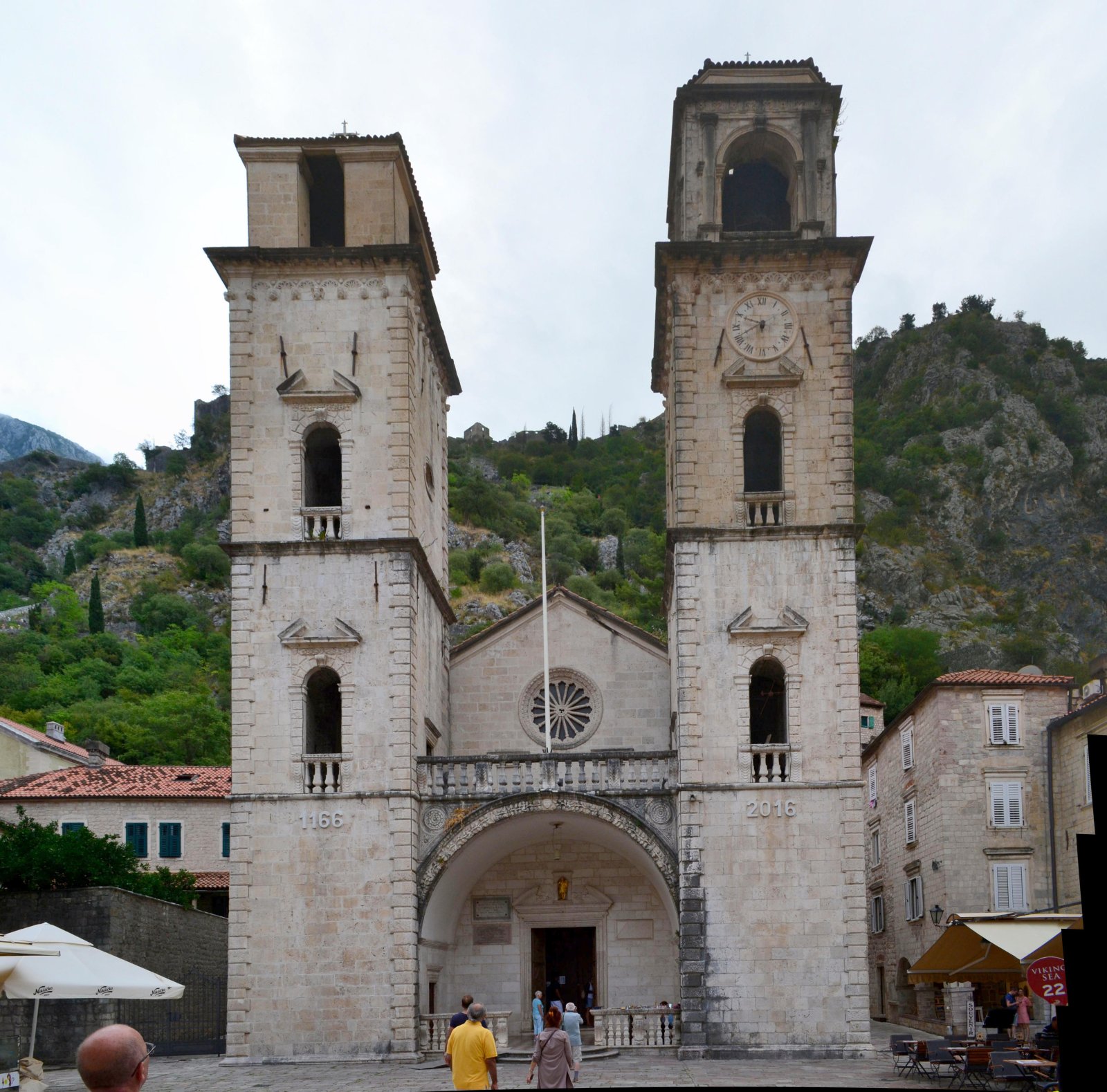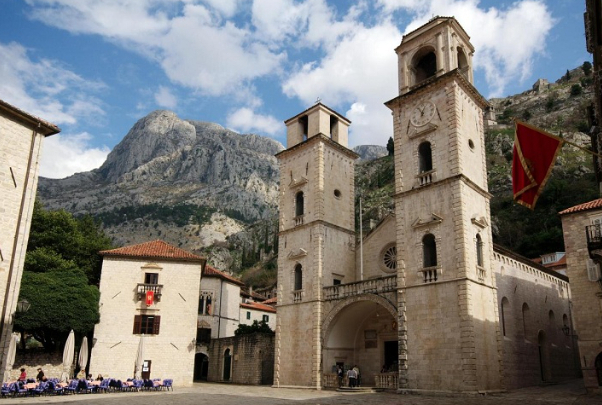

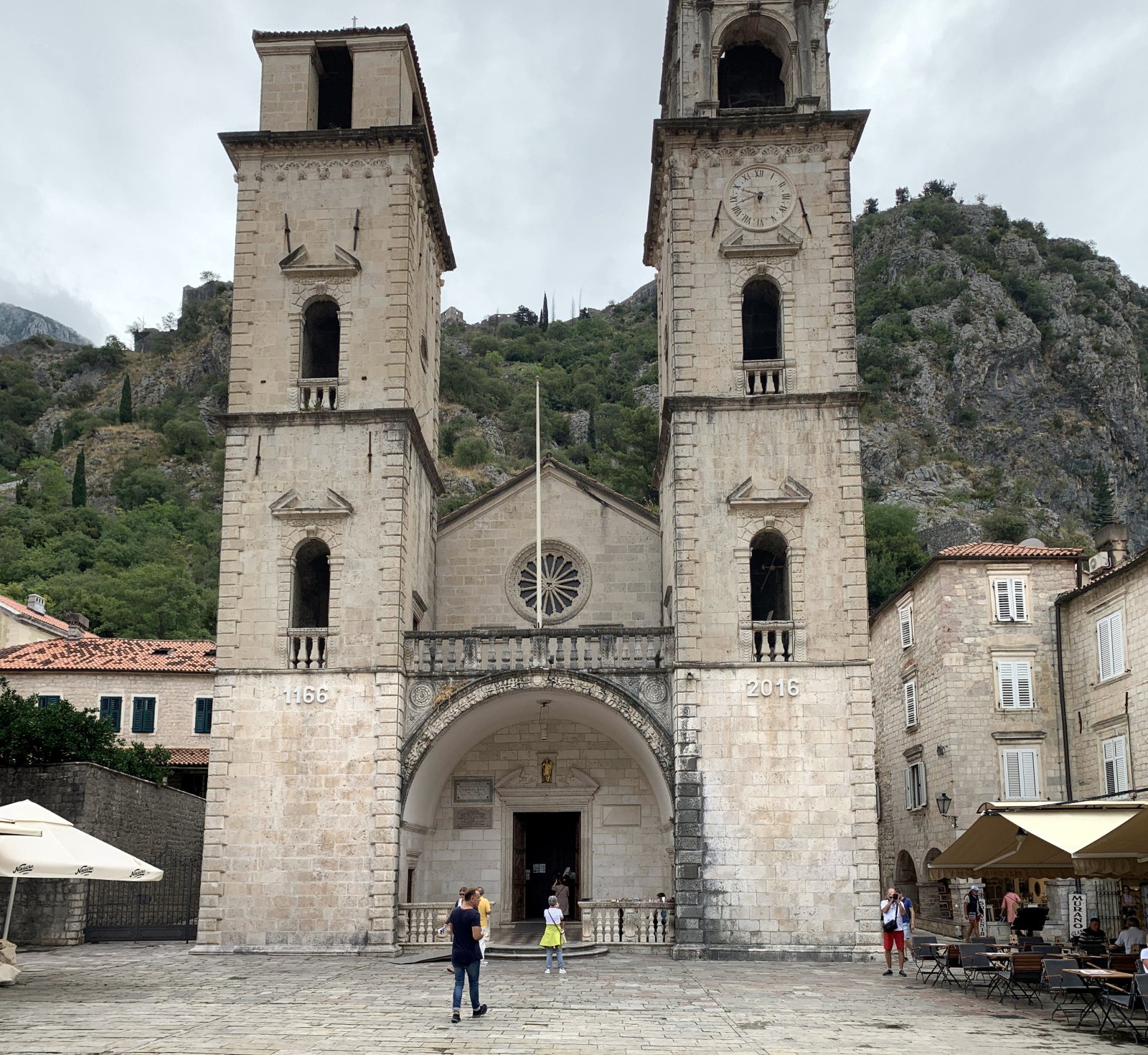
The Cathedral of Saint Tryphon in Kotor is not just an architectural marvel; it's a journey through history, art, and spirituality in the heart of Montenegro. Nestled within the winding medieval streets of Kotor, this sacred site offers a window into the past, reflecting the resilience and devotion of its people.
### History and Origins
The Cathedral of Saint Tryphon, known locally as Katedrala Svetog Tripuna, was consecrated in 1166, making it one of the oldest and most storied cathedrals in the region. Dedicated to Saint Tryphon, the cathedral stands as a testament to the city's historical connections with maritime trade routes and its strategic importance on the Adriatic Sea. Over the centuries, the cathedral has endured earthquakes and wars, yet it has been meticulously restored, preserving its historical essence.
### Art and Architecture
The cathedral is a masterpiece of Romanesque architecture, with its twin towers dominating Kotor's skyline. Inside, visitors are greeted by a wealth of frescoes and icons that showcase the rich history of Christian art in the Balkans. Of particular note is the silver altar screen, a dazzling piece of craftsmanship that draws visitors from around the globe. The cathedral's treasury holds an impressive collection of relics and artifacts, including a 14th-century crucifix and a collection of illuminated manuscripts.
### Local Culture and Traditions
The cathedral is integral to Kotor's cultural identity. Each year, the city celebrates Saint Tryphon's Day on February 3rd, with festivities including a grand procession, traditional dances, and local music echoing through the streets. This celebration is a vibrant display of Kotor's enduring traditions and deep-seated sense of community.
### Gastronomy
While visiting, indulge in local culinary delights that reflect the region's rich cultural tapestry. Try Kotor's seafood specialties, such as black risotto and grilled octopus, often paired with a glass of Vranac, a robust local red wine. Local bakeries offer priganice, a sweet or savory fried dough, often enjoyed during festivals or as a comforting snack.
### Lesser-known Curiosities
Few visitors know that the cathedral houses a unique collection of medieval stone reliefs, which are believed to depict scenes from everyday life in ancient Kotor. Additionally, the cathedral's bell tower offers panoramic views of the city and surrounding bay, though it is said that only those who climb all 116 steps will be rewarded with a wish granted by Saint Tryphon himself.
### Practical Visitor Information
The best time to visit the cathedral is during the early morning or late afternoon when the light casts a golden hue on the stone walls, enhancing its beauty. Be sure to wear comfortable shoes, as Kotor's cobbled streets can be challenging. Look for the small details in the stonework and carvings that tell stories of the city's past.
For a personalized itinerary to explore the hidden gems of Kotor, try using the Secret World app to enhance your visit.