
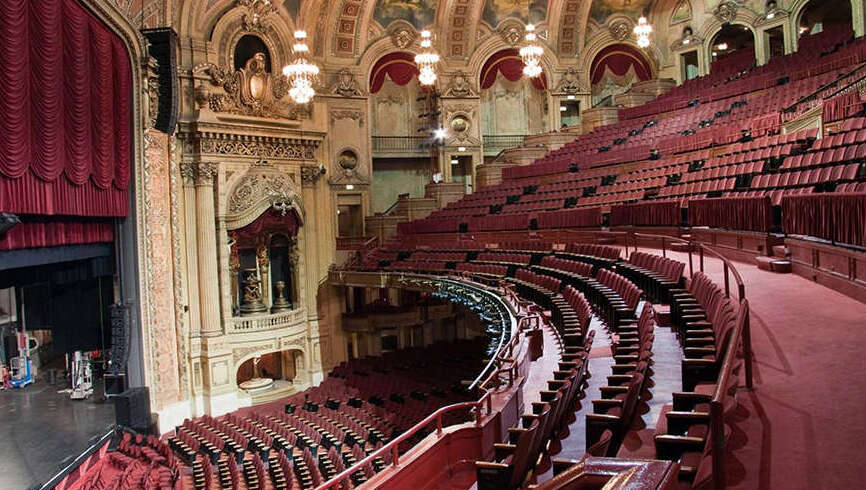

In the heart of downtown Chicago, the magnificent Chicago Theatre stands as a beacon of cultural heritage and artistic expression. Built in 1921 in the opulent French Baroque style, this architectural marvel boasts stunning features such as crystal chandeliers and intricate bronze fixtures. The grand staircase, which ascends to multiple gallery promenades, invites visitors to explore its five-story tall lobby that echoes with the whispers of countless performances.
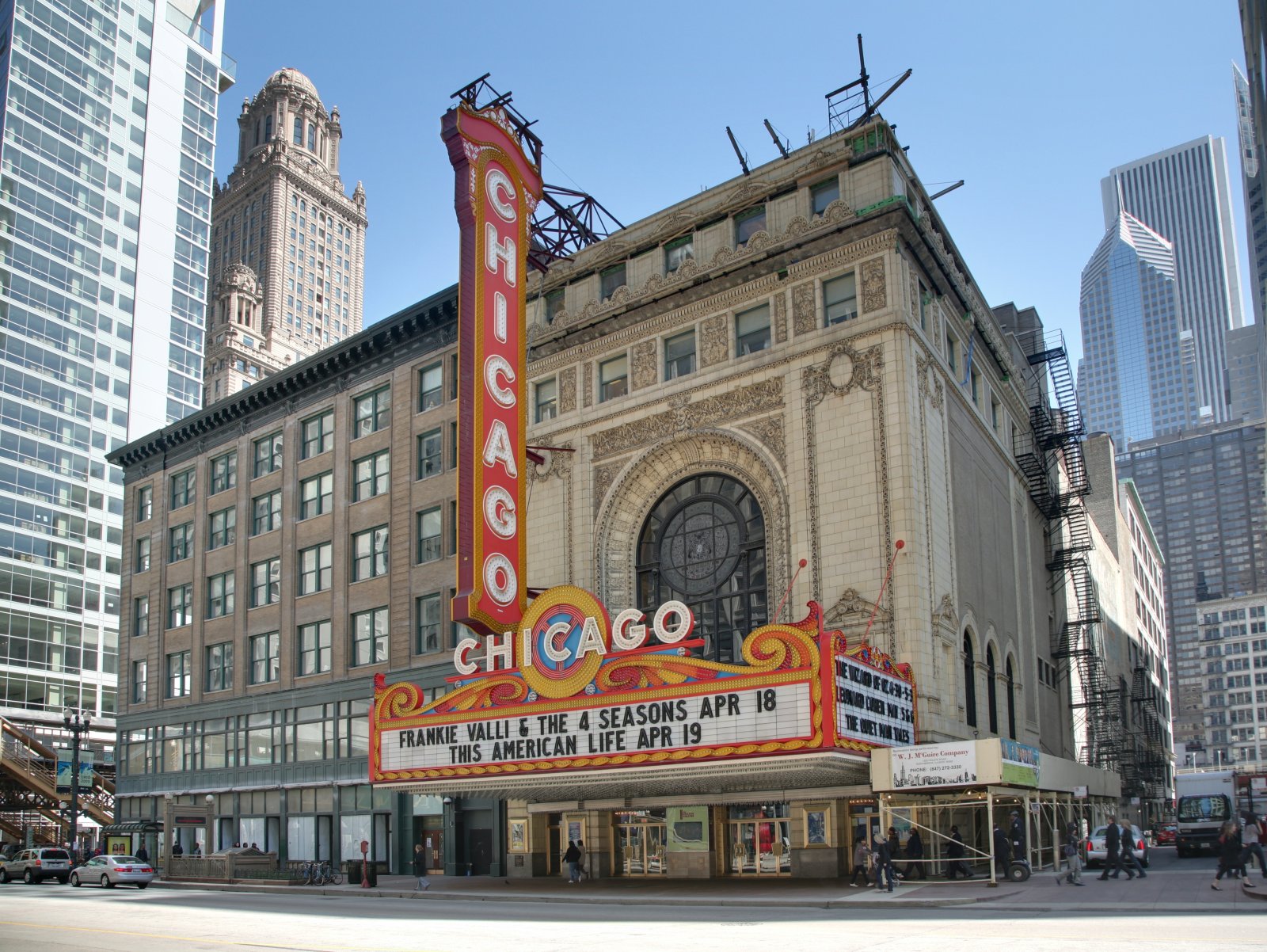
History and Origins The Chicago Theatre was the first large, lavish movie palace in America, igniting a golden age of cinema in the early 20th century. On its opening night, January 26, 1921, a 50-piece orchestra accompanied the silent film, a novel experience that captivated audiences and set a high bar for future theaters. Originally designed by the architectural firm of Rapp and Rapp, the theatre's exterior features a striking marquee that has become an iconic symbol of Chicago.
Throughout the years, this venue has seen a plethora of historical events, from hosting Vaudeville acts to being a stage for some of the biggest names in music and entertainment, including legends like Frank Sinatra and Ella Fitzgerald. The theatre's historical significance was recognized when it was designated a Chicago Landmark in 1983.
Art and Architecture The design of the Chicago Theatre is a stunning representation of the French Baroque style, characterized by its ornate details and lavish decorations. The interior showcases intricate plasterwork, a grand proscenium arch, and a magnificent ceiling mural that adds to the theatrical ambiance. Notably, the theatre's Wurlitzer organ, one of the few remaining in the country, continues to be a staple of live performances.
Artistic significance is woven into the fabric of the theatre, where every corner tells a story of creativity and craftsmanship. Visitors are often drawn to its stunning lobby, adorned with stunning frescoes and delicate moldings, making it not just a venue but a work of art in itself.
Local Culture and Traditions The Chicago Theatre is more than just a performance venue; it is an integral part of the local culture. The theatre plays host to various festivals and events that celebrate the rich artistic traditions of Chicago. The annual Chicago Blues Festival often features performances at the theatre, highlighting the city’s deep-rooted musical history.
Additionally, the theatre has become a gathering place for locals and tourists alike during the holiday season, particularly for the annual Christmas shows that feature beloved holiday classics. This tradition fosters a sense of community and shared experience, drawing crowds eager to enjoy the festive spirit.
Gastronomy No visit to the Chicago Theatre is complete without indulging in the city’s famous gastronomic delights. Just a short walk away, you can sample local specialties such as the iconic Chicago-style deep-dish pizza or the savory Italian beef sandwich. The nearby Millennium Park area offers a plethora of dining options, including gourmet hot dog stands and chic restaurants serving modern interpretations of classic Chicago fare.
Pair your meal with a refreshing local brew from one of Chicago’s many craft breweries or indulge in a sweet treat from a nearby bakery known for its Chicago-style cheesecake. The dining scene around the theatre is as vibrant and diverse as the performances it hosts.
Lesser-known Curiosities While many visitors are familiar with the theatre’s grandeur, some lesser-known facts may surprise you. For instance, the Chicago Theatre was the first in the world to feature a self-supporting marquee—a true engineering marvel of its time. Additionally, the theatre has played a significant role in the film industry; it was one of the first venues to screen talkies, further cementing its place in cinema history.
Another fascinating tidbit is that the theatre has its own ghost stories. Some staff members have reported mysterious occurrences, adding an air of intrigue to the already storied atmosphere of the venue.
Practical Visitor Information The best time to visit the Chicago Theatre is during its performance season, typically from late summer through spring, when a variety of shows, including concerts, comedy acts, and theatrical performances, take the stage. It’s advisable to check the theatre's schedule online for upcoming events and to book tickets in advance, especially for popular shows.
When visiting, be sure to explore the lobby and take in the architectural details. Guided tours are also available for those interested in learning more about the theatre’s rich history and behind-the-scenes stories. Don’t miss the chance to snap a photo under the iconic marquee—it's a quintessential Chicago experience.
In conclusion, the Chicago Theatre stands not only as a monument to the performing arts but also as a vibrant cultural hub that continues to inspire and entertain. To make the most of your visit to this historic gem and other local attractions, consider using the Secret World app to plan a personalized itinerary that suits your interests.


