
← Back

The church of Santa Maria in Cortina and its Well

Via Giuseppe Verdi, 29121 Piacenza PC, Italia ★★★★☆ 205 views
Ronda Button
Piacenza
🏆 AI Trip Planner 2026

Get the free app

Discover the best of Piacenza with Secret World — the AI trip planner with 1M+ destinations. Get personalized itineraries, hidden gems and local tips. Free on iOS & Android.

🧠 AI Itineraries 🎒 Trip Toolkit 🎮 KnowWhere Game 🎧 Audio Guides 📹 Videos
Scan to download iOS / Android
Scan for AppGallery Huawei users

About The church of Santa Maria in Cortina and its Well

The church of Santa Maria in Cortina and its Well - Piacenza | Secret World Trip Planner

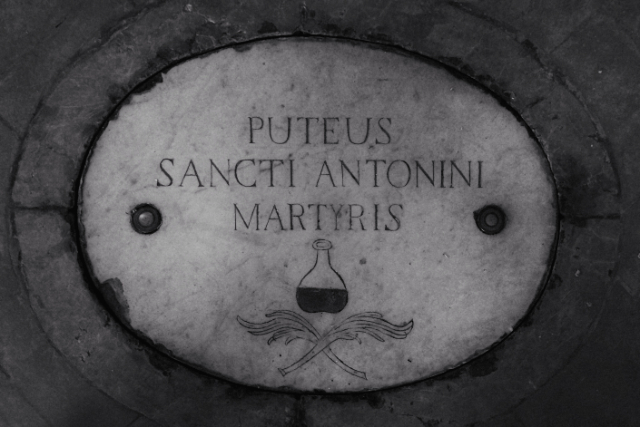
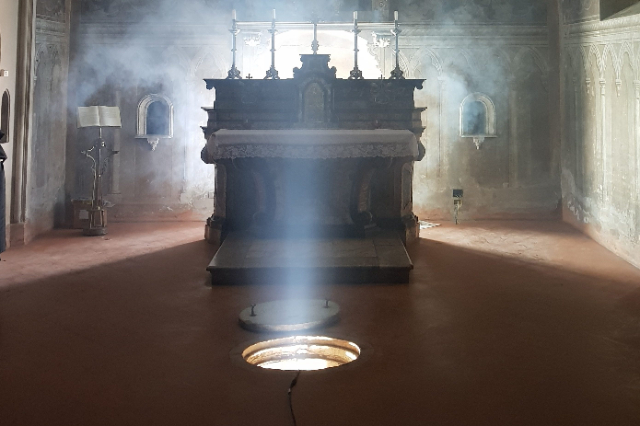
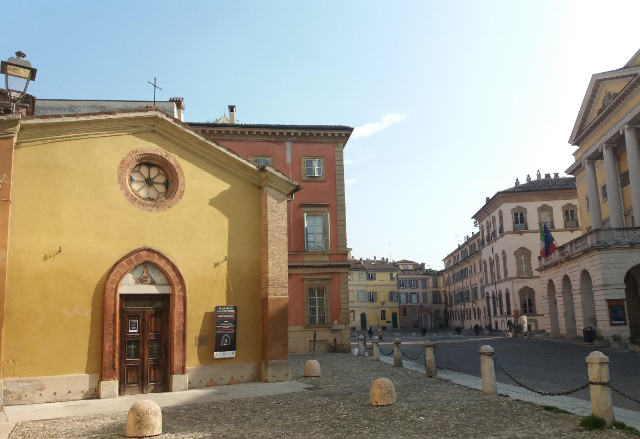
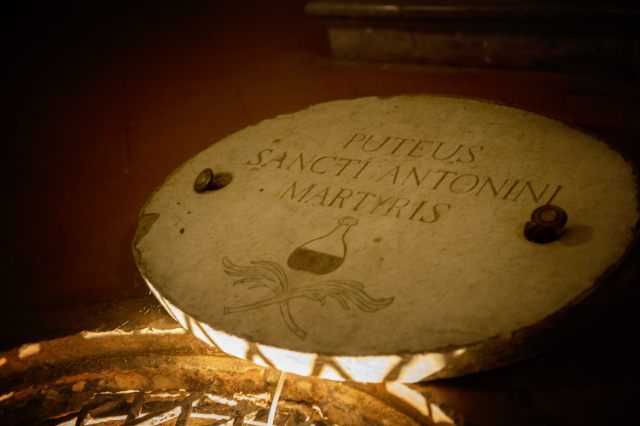
The church of Santa Maria in Cortina is located opposite the Municipal Theater, on the site where an earlier church had been built, probably at the behest of Bishop Savinus (375-420). It was rebuilt between the 10th and 11th centuries.Inside the church are 16th-century frescoes on the vaults and in the lunettes of the sanctuary, depicting stories related to the figure of Mary. In the four vaults alternate the Nativity of Mary, the Annunciation, the Wedding of the Virgin and the Assumption of the Virgin. The lunettes on the side walls show the Presentation in the Temple and fragments of a fresco with the Apostles around Mary's empty tomb, interrupted by a rear window.The frescoes are attributed to a single hand, with the possible exception of the Assumption section, which shows superior stylistic quality. In the architectural settings, characterized by a narrative taste and predominant color tones, influences from artists such as Pordenone and the Cremonese school of painting can be perceived. The cycle is believed to be the work of local painter Remondino or Remondini, who lived in the 16th century, although the attribution is still being studied. The frescoes have also been attributed to the Veggi brothers, Giovanni and Giacomo, originally from Piacenza.Traces of older wall paintings are also preserved on the left wall of the hall, including a lunette with a fragmentary figure of the Redeemer, datable between the 11th century and the end of the 12th century, and a Madonna with Saint Nun, dating from the 15th century.Also of great significance is the scagliola antependium in the third left bay, depicting the Nativity of Mary and Saints Antonine and Justina, made in the first quarter of the 18th century.In the center of the hall, enclosed by a slab, is an opening indicating the well of St. Antonine. In reality, this opening was created in the seventeenth century, while the real mystery of the little church lies in the fourth-century hypogeum that develops under the floor, yet to be explored. Access to the hypogeum is through an opening in the sacristy, closed by a square slab. Through a secure staircase it is possible to descend into the rectangular underground space, with brick walls along the descent and a barrel vault, measuring about 1.80 x 2.30 meters. This space is believed to be the first tomb of St. Antoninus, "almost intact and which most likely housed the martyr's remains and the glass flask containing his blood" (Siboni 1971). Located about 6 meters below the present level.
The church of Santa Maria in Cortina and its Well - Piacenza | Secret World Trip Planner
🗺 AI Trip Planner

Plan your visit to Piacenza

Suggested itinerary near The church of Santa Maria in Cortina and its Well

MAJ+
500.000+ travelers worldwide
  1. 🌅
    Morning
    The church of Santa Maria in Cortina and its Well
    📍 Piacenza
  2. ☀️
    Afternoon
    Former church of the Order of the Theatines
    📍 0.2 km · Piacenza
  3. 🌆
    Evening
    Piacenza | Ascent to the Cathedral Dome
    📍 0.3 km · Piacenza

Buy Unique Travel Experiences

Powered by Viator

See more on Viator.com

Explore nearby · Piacenza

Frequently Asked Questions

The church features stunning 16th-century frescoes depicting scenes from Mary's life, including the Nativity of Mary, the Annunciation, the Wedding of the Virgin, and the Assumption of the Virgin across the four vaults. The lunettes display the Presentation in the Temple and fragments of the Apostles around Mary's empty tomb, creating a complete narrative cycle of religious significance.
The frescoes are attributed to local 16th-century painter Remondino (or Remondini), though this attribution is still being studied by scholars. Some art historians also credit the Veggi brothers, Giovanni and Giacomo from Piacenza, with portions of the work, and stylistic influences from Pordenone and the Cremonese school of painting are evident throughout.
The church is conveniently located opposite the Municipal Theater, making it easy to find in the city center. Its prominent location near this landmark makes it an accessible stop for visitors exploring the main attractions of the area.
The church contains an opening in the center of the hall, enclosed by a slab, that marks the well of St. Antonine, though the actual well opening was created in the seventeenth century. The true mystery of the church lies beneath in a fourth-century hypogeum that develops under the floor, suggesting the site's importance dating back to early Christian times under Bishop Savinus.
The left wall of the hall preserves traces of older wall paintings, including an 11th-12th century lunette with a fragmentary figure of the Redeemer and a 15th-century Madonna with Saint Nun. Additionally, a notable 18th-century scagliola antependium depicting the Nativity of Mary and Saints Antonine and Justina is located in the third left bay, showcasing the church's artistic layers across centuries.