
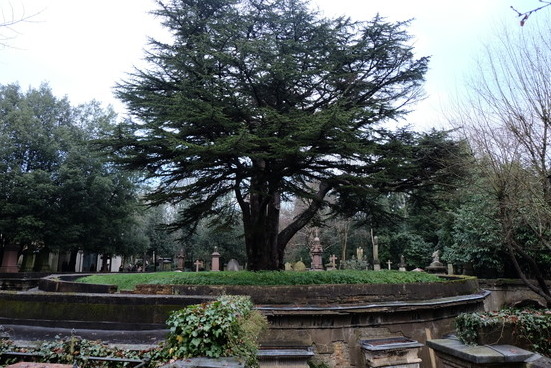

Nestled within the storied confines of Highgate Cemetery in London, the Circle of Lebanon stands as a poignant testament to the city’s rich tapestry of history and culture. This remarkable site, often dubbed the "World's Largest Potted Plant," owes its moniker to the ancient Cedar of Lebanon that majestically crowns the centre of an elegant ring of mausoleums. This arboreal giant, reputedly planted in the early 19th century, is not just a tree but a living monument to the cemetery's enduring legacy.
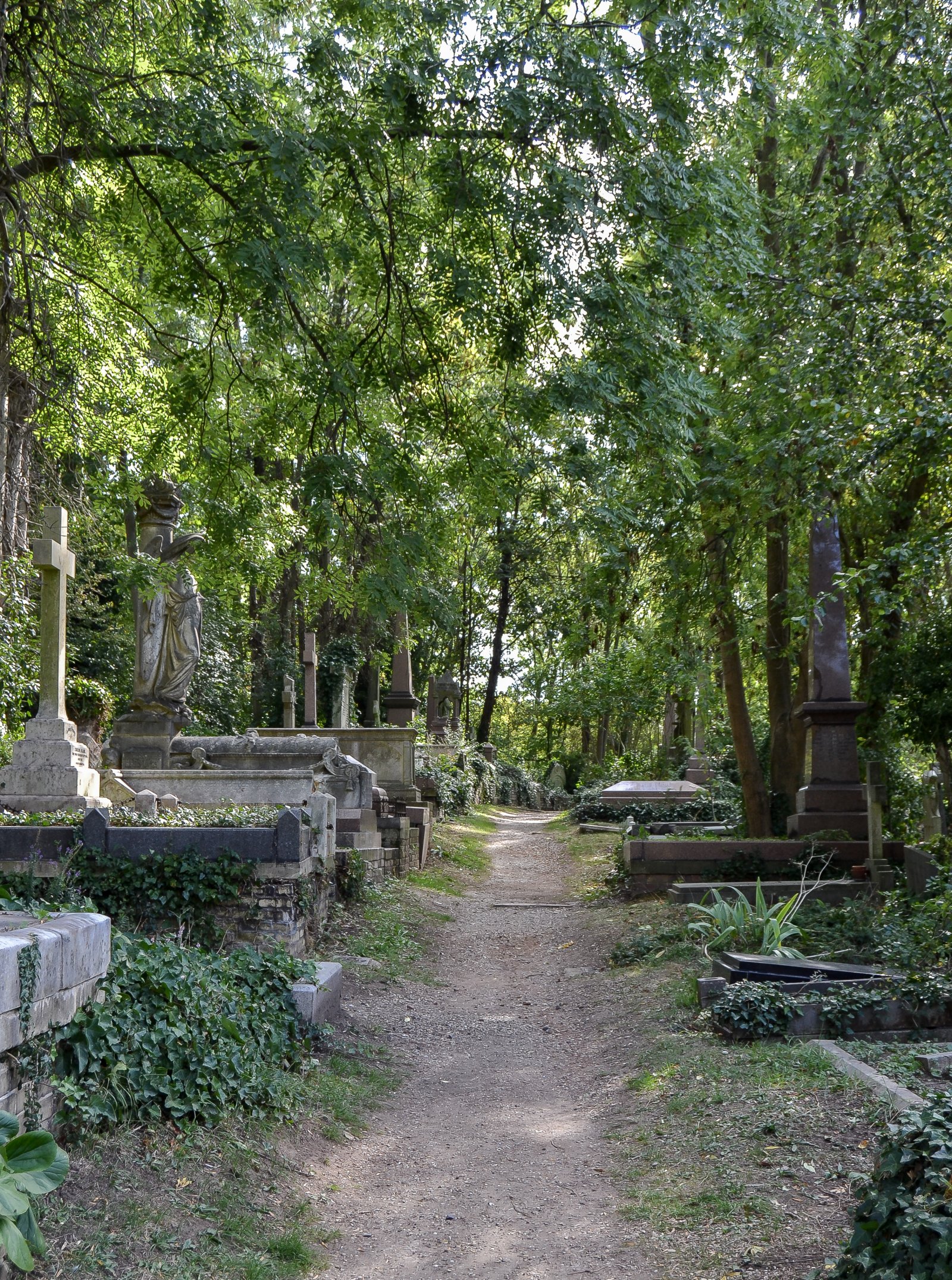
The history of Highgate Cemetery dates back to 1839, a time when London's population boom necessitated new burial grounds. Designed by architect Stephen Geary, the cemetery was part of the "Magnificent Seven," a series of private cemeteries established to address the overcrowded churchyards of Victorian London. The Circle of Lebanon, added in the 1840s, was inspired by ancient burial practices, echoing the grandeur of Roman necropolises. Over the years, it has become the final resting place for many notable figures, each tomb a silent witness to the stories of the past.
Architecturally, the Circle of Lebanon is a captivating blend of Egyptian and classical styles. The mausoleums, crafted from imposing stone, are adorned with intricate carvings and Doric columns, evoking a sense of timelessness and reverence. This fusion of styles is emblematic of the Victorian fascination with ancient cultures, a trend that permeated much of the art and architecture of the era. As you wander the circle, you'll notice the subtle beauty of the stonework, each mausoleum a personal tribute, often bearing poignant inscriptions and symbols of mortality and immortality.
Highgate Cemetery is also a cultural touchstone for the local community, reflecting the diverse tapestry of London's multicultural heritage. While the cemetery itself is a place of quiet reflection, it plays host to various events throughout the year, including guided tours that delve into its fascinating history and the lives of those interred there. These tours offer a unique window into the customs and traditions that have shaped the area, from Victorian mourning practices to contemporary commemorations.
Though the cemetery is primarily a place of solace, its surrounding area offers a rich culinary experience reflective of London's cosmopolitan nature. While there are no eateries within the cemetery itself, nearby Highgate Village boasts a selection of traditional pubs and cafes where visitors can indulge in classic British fare. After a contemplative stroll, one might savour a hearty Sunday roast or a comforting fish and chips, accompanied by a pint of local ale or a refreshing cup of English tea.
Among the lesser-known curiosities of the Circle of Lebanon is the story of the Cedar of Lebanon itself. This impressive tree, believed to be over 250 years old, predates the cemetery and is thought to have been part of the landscaped gardens of Ashurst House, which once occupied this land. Its survival through centuries is a testament to its resilience and the careful preservation efforts of the cemetery's caretakers.
Visitors to the Circle of Lebanon will find that the best time to explore is during the spring and autumn months when the weather is mild and the cemetery's foliage is at its most vibrant. Early mornings or late afternoons provide the most atmospheric lighting, casting long shadows and highlighting the intricate details of the mausoleums. To make the most of your visit, consider joining one of the guided tours, which offer in-depth insights into the history, architecture, and notable figures associated with the cemetery.
In this serene enclave of Highgate Cemetery, the Circle of Lebanon stands as a unique convergence of natural beauty and architectural grandeur. It invites visitors to pause and reflect on the passage of time, the stories of those who have gone before, and the enduring presence of a mighty cedar that has watched over London for generations.


