
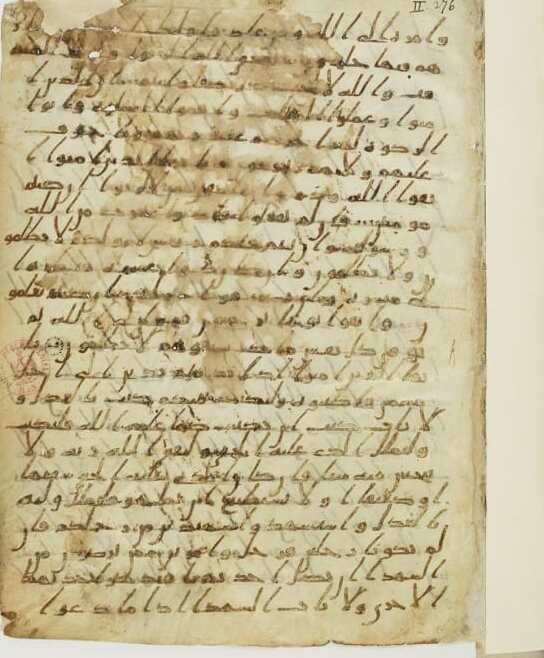

In the heart of Paris, the Codex Parisino-Petropolitanus serves as a remarkable testament to the intricate history of the Islamic world and its manuscripts. This 98-folio Quran manuscript, believed to date back to the late 7th or early 8th century, offers scholars and enthusiasts a glimpse into early Islamic textual traditions. Its journey from the dusty archives of the Amr Mosque in Fustat, Egypt, to its current status across various prestigious institutions is as fascinating as the manuscript itself.
The origins of the Codex are steeped in a rich historical tapestry. The manuscript was unearthed during a pivotal moment in history—the Napoleonic expedition in the late 18th century. It was during this expedition that Jean-Joseph Marcel, a French scholar, acquired several of its folios, while Jean-Louis Asselin de Cherville purchased additional pages shortly thereafter. This collection not only enriched the understanding of Islamic literature but also highlighted the era's burgeoning interest in Oriental studies. Recent research by scholar Yassin Dutton suggests that the manuscript may have been composed in Syria, specifically in the qira’at (readings) of Ibn Amir of Damascus, further emphasizing its historical significance.
Architecturally, the Codex Parisino-Petropolitanus is a marvel of early Islamic calligraphy. The script itself is a stunning example of Kufic calligraphy, characterized by its angular, geometric forms and intricate ornamentation. Each page is meticulously crafted, showcasing the artistry of the scribes who poured their devotion into its creation. The manuscript’s artistry is not just in its aesthetics but also in its functional role as a religious text, providing insight into the spiritual practices of early Muslims. The beautifully preserved pages, with their careful calligraphy, serve as a canvas for understanding the cultural and theological developments of the time.
Culturally, this manuscript embodies the rich traditions of the Islamic world. The Quran is not merely a text; it is a cornerstone of Islamic faith and practice, revered across various cultures. The local customs surrounding the recitation and memorization of the Quran are integral to Islamic identity. Festivals like Ramadan highlight the importance of the Quran in daily life, with communities coming together for nightly prayers and shared meals to break their fasts. In Paris, cultural events often celebrate this diversity, showcasing the profound connections between faith, art, and community.
When in Paris, the culinary landscape offers a delightful array of flavors that reflect the city’s multicultural tapestry. Traditional French cuisine melds seamlessly with influences from North Africa and the Middle East. Baguettes, croissants, and escargots may dominate the culinary scene, but local eateries also present dishes like couscous, tagines, and sweet pastries filled with dates and nuts, echoing the flavors found in the cultures connected to the Codex. Mint tea, often served with a flourish, is a must-try, symbolizing hospitality and warmth.
As you explore the depths of Paris, you might encounter lesser-known curiosities surrounding the Codex Parisino-Petropolitanus. For instance, few are aware that it is divided among four significant institutions: the Bibliothèque nationale de France, the National Library of Russia, the Vatican Library, and the Khalili Collection in London. Each institution holds pieces of the manuscript, emphasizing the global significance of Islamic texts. Additionally, the very location of the Codex's initial acquisition—Fustat—was the first capital of Islamic Egypt, making the manuscript not just a religious artifact but a historical one, rooted in the early Islamic urban landscape.
For those eager to delve into the history and culture surrounding the Codex, the best time to visit Paris is during the spring or early autumn when the weather is mild and the city is vibrant. Take the time to visit the Bibliothèque nationale de France, where the Codex is housed, and immerse yourself in its historical significance. Don’t miss the chance to engage with local scholars or participate in discussions surrounding Islamic manuscripts, as these experiences enrich your understanding of the manuscript's context.
In this city of lights and layered histories, the Codex Parisino-Petropolitanus stands as a beacon of cultural dialogue, reminding us of the intertwined narratives that shape our world. For an enriching experience, consider using the Secret World app to plan a personalized AI itinerary to explore the depths of Paris.


