
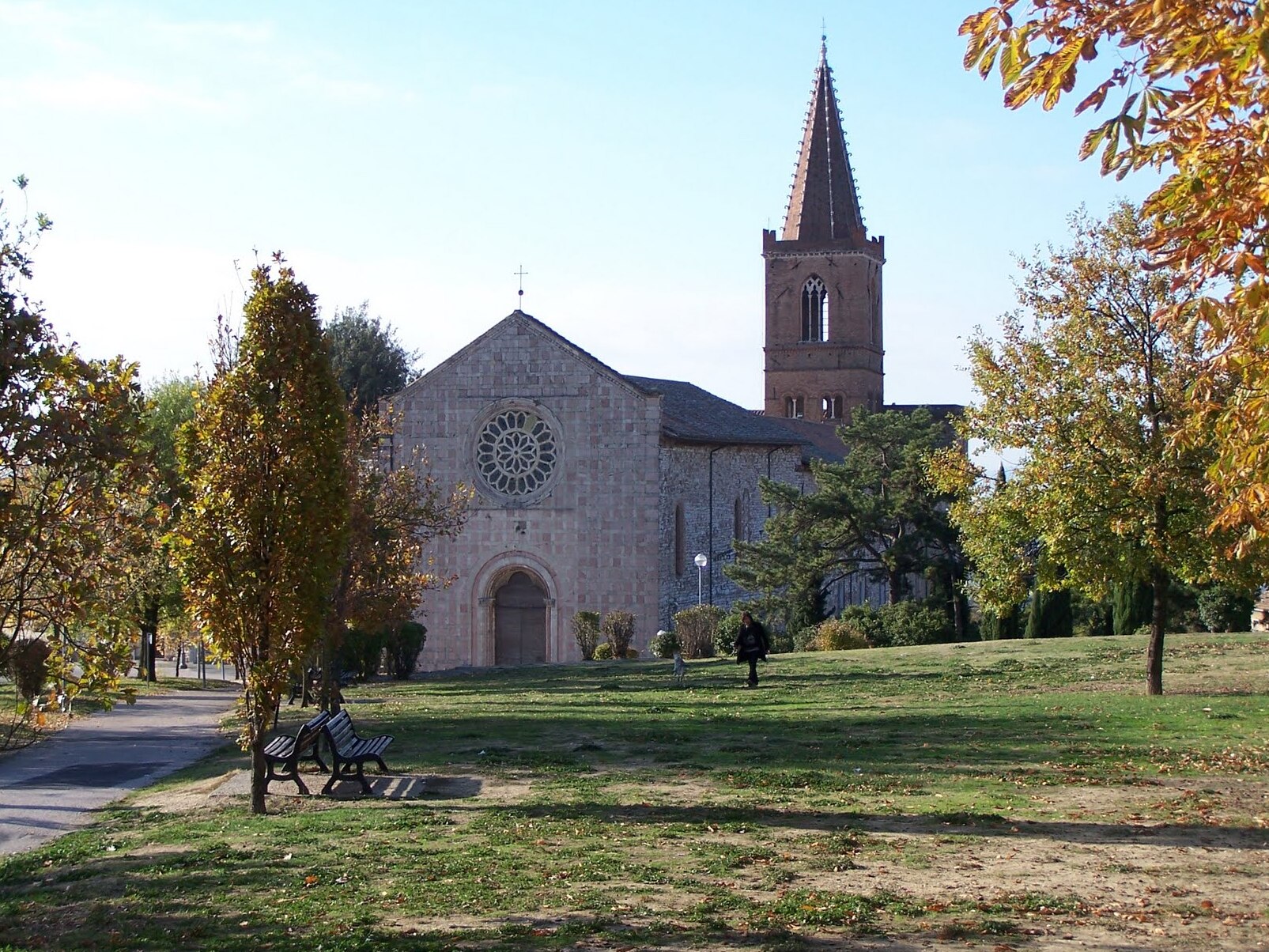

Nestled in the heart of Perugia, the complex of Santa Giuliana offers a serene glimpse into the rich tapestry of Italy's religious history and architectural grandeur. This remarkable site, with its Cistercian influences, invites visitors to step back in time and explore both its historical significance and artistic beauty.
The origins of the Santa Giuliana monastery date back to 1253, founded by Cardinal Giovanni of Toledo, a pivotal figure in the Cistercian reform movement. Established to promote asceticism and community life, the monastery soon flourished, becoming one of the wealthiest religious establishments in Perugia. Protected by Pope Innocent IV, the site enjoyed special privileges, including a significant indulgence for pilgrims who visited. This blend of spirituality and wealth set the stage for the architectural marvels that would follow.
The church itself, with its 14th-century facade, is a striking example of Gothic architecture, adorned with a captivating geometric coating of white and pink marble. The portal, featuring an elegant rosette, draws the eyes of all who approach, while inside, the single nave reveals a stunning wooden truss ceiling, a hallmark of the era's craftsmanship. What truly stands out are the frescoes; two from the 13th century, depicting the Last Supper and the Coronation of the Virgin, grace the interior, showcasing the artistic talents of the Master of the Triptych. The remnants of frescoes on the triumphal arch, dating from the late 13th to early 14th century, echo the monastery's storied past.
One cannot mention Santa Giuliana without highlighting the magnificent Cloister, which is often regarded as one of the finest examples of Cistercian architecture in Italy. Attributed to Matteo Gattaponi in 1376, this cloister features wide white arches supported by octagonal pillars adorned with striking red and white striped narrative capitals. The tranquility of the cloister provides a stark contrast to the bustling outside world, inviting visitors to pause and reflect amidst its beauty.
The cultural significance of Santa Giuliana extends beyond its architectural marvels. The monastery has played a crucial role in the local community, influencing customs and traditions over the centuries. While visiting, one may encounter local festivals that celebrate the monastery’s heritage, such as the Feast of Santa Giuliana, which often features processions and community gatherings that bring together residents and visitors alike.
When it comes to gastronomy, Perugia boasts a vibrant culinary scene that reflects its rich agricultural heritage. Local specialties include torta al testo, a flatbread filled with various ingredients, and strangozzi, a type of handmade pasta. Pair these dishes with a glass of Sagrantino di Montefalco, a robust red wine produced in the nearby Montefalco region, to fully immerse yourself in the flavors of Umbria.
For those venturing to Santa Giuliana, there are numerous lesser-known curiosities that enhance the experience. One intriguing detail often overlooked is the story behind Cardinal Giovanni of Toledo; his efforts to promote the Cistercian order were crucial not only to the monastery's founding but also to the broader religious landscape of Italy during the Middle Ages. Furthermore, the cloister's capitals feature intricate carvings that narrate biblical tales, a hidden gem for those willing to look closely.
To make the most of your visit to Santa Giuliana, the best time to explore this historic complex is during the spring and early autumn months, when the weather is mild, and fewer tourists populate the area. Be sure to take your time walking through the cloister, allowing yourself to absorb the tranquil atmosphere. Don't miss the chance to explore the former monastery, now housing the Foreign Language School, and appreciate how history and modernity blend seamlessly in this sacred space.
In conclusion, a visit to the complex of Santa Giuliana in Perugia promises not just a journey through time but a rich tapestry of art, culture, and culinary delights waiting to be discovered. For a personalized itinerary that captures the essence of this historic city, consider using the Secret World app to plan your adventure.


