
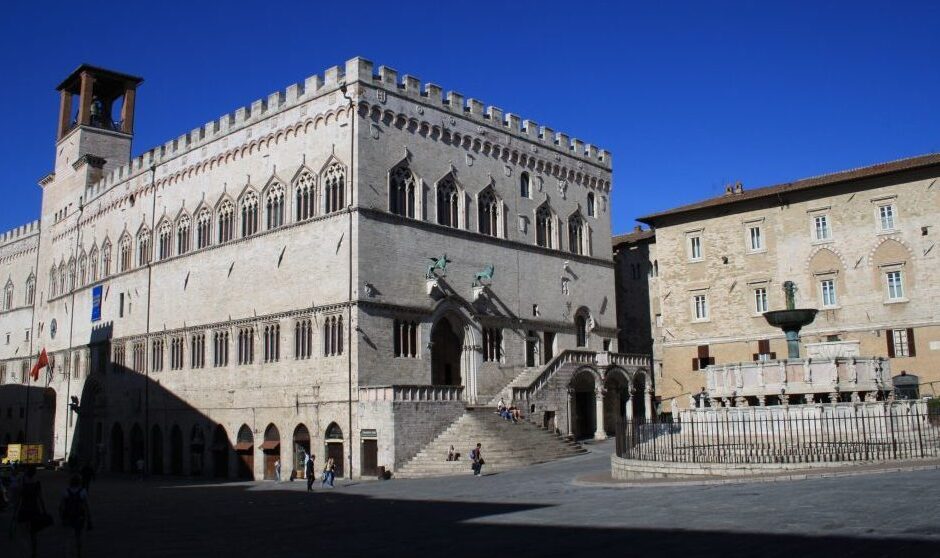

Nestled in the heart of Perugia, the National Gallery of Umbria stands as a testament to the region's rich artistic heritage. With its impressive collection spanning from the 13th to the 19th century, this gallery is not just an art museum but a vibrant chronicle of Umbria’s cultural evolution.
The gallery's origins can be traced back to the 18th century, when a group of local intellectuals sought to preserve and showcase the artistic legacy of the region. In 1878, the collection was formally established in the magnificent Palazzo dei Priori, a striking example of Gothic civil architecture that dates back to the 13th century. The Palazzo itself is a key landmark in Perugia, with its ornate façade and commanding presence over the city, providing the perfect backdrop for the gallery’s treasures.
In 2006, the gallery underwent significant renovations, resulting in a modern exhibition space that spans 4,000 square meters. This expansion allowed for a more comprehensive display of its vast collection, which includes works by renowned artists such as Arnolfo di Cambio, Duccio di Boninsegna, Gentile da Fabriano, Beato Angelico, Benozzo Gozzoli, and the masterful Piero della Francesca. Each piece tells a story, capturing the essence of the time in which it was created.
The National Gallery of Umbria is particularly noted for its masterpieces from the Middle Ages and Renaissance, including Duccio’s breathtaking altarpiece, the Madonna and Child, and Gentile da Fabriano’s vibrant Adoration of the Magi. These works not only exemplify technical prowess but also reflect the spiritual and social dynamics of their eras. Visitors can also admire sculptures and textiles that further illustrate the artistic diversity of Umbria.
Beyond the gallery's walls, the local culture of Perugia is rich and vibrant, deeply intertwined with its artistic legacy. The city hosts several festivals throughout the year, such as the Umbria Jazz Festival in July, which attracts music lovers from around the globe. Additionally, the Perugia Chocolate Festival, held every October, celebrates the region’s famed chocolate-making tradition, showcasing local artisans and their sweet creations.
Perugia’s gastronomy is another highlight for visitors. The region is known for its delectable truffles, particularly the black truffle, which is celebrated in dishes such as Tagliatelle al Tartufo. Additionally, local wines like Sagrantino di Montefalco and Torgiano Rosso Riserva perfectly complement the culinary offerings. Treat yourself to a glass of Vin Santo, a traditional dessert wine, while savoring local pastries like Torta al Testo, a flatbread filled with various ingredients, from cured meats to vegetables.
For those intrigued by lesser-known curiosities, the gallery does not disappoint. One surprising fact is that the Palazzo dei Priori houses not just art but also the city’s Municipal Archives, where history buffs can delve into Perugia’s past. Additionally, the National Gallery of Umbria features a unique collection of majolica ceramics, showcasing the intricate craftsmanship of local artisans from centuries past.
When planning a visit to the National Gallery of Umbria, the best time is during the spring or early fall. These seasons offer mild weather and fewer crowds, allowing for a more intimate experience with the art. It’s advisable to take a guided tour to gain deeper insights into the artworks and their historical contexts. Don’t miss the gallery's rotating exhibitions, which often feature works from prominent international artists.
As you wander through the gallery’s halls, take a moment to appreciate the intricate details of each piece and the stories they tell. From the stunning architecture of the Palazzo to the treasures within, the National Gallery of Umbria is a cultural gem that captures the essence of this enchanting region.
For a seamless way to explore and personalize your journey in Perugia, consider using the Secret World app to craft your ideal itinerary.


