



Nestled within the breathtaking Jiuzhaigou National Park in Aba, Sichuan Province, the Five-Flower Lake stands as a testament to nature's artistry. This enchanting body of water, renowned for its kaleidoscopic hues, is often considered the crown jewel of the park, attracting visitors from around the globe.
The history of Jiuzhaigou is as rich as its landscapes. The area has been inhabited for thousands of years, with the earliest records tracing back to the Qing Dynasty (1644-1912). The local Tibetan and Qiang ethnic groups have cultivated a deep connection to the land, living harmoniously with its natural wonders. The name "Jiuzhaigou" itself translates to "Nine Village Valley," referring to the nine Tibetan villages scattered throughout the park. In 1982, the area was designated as a national park, and in 1992, it was recognized as a UNESCO World Heritage Site, ensuring its preservation for future generations.
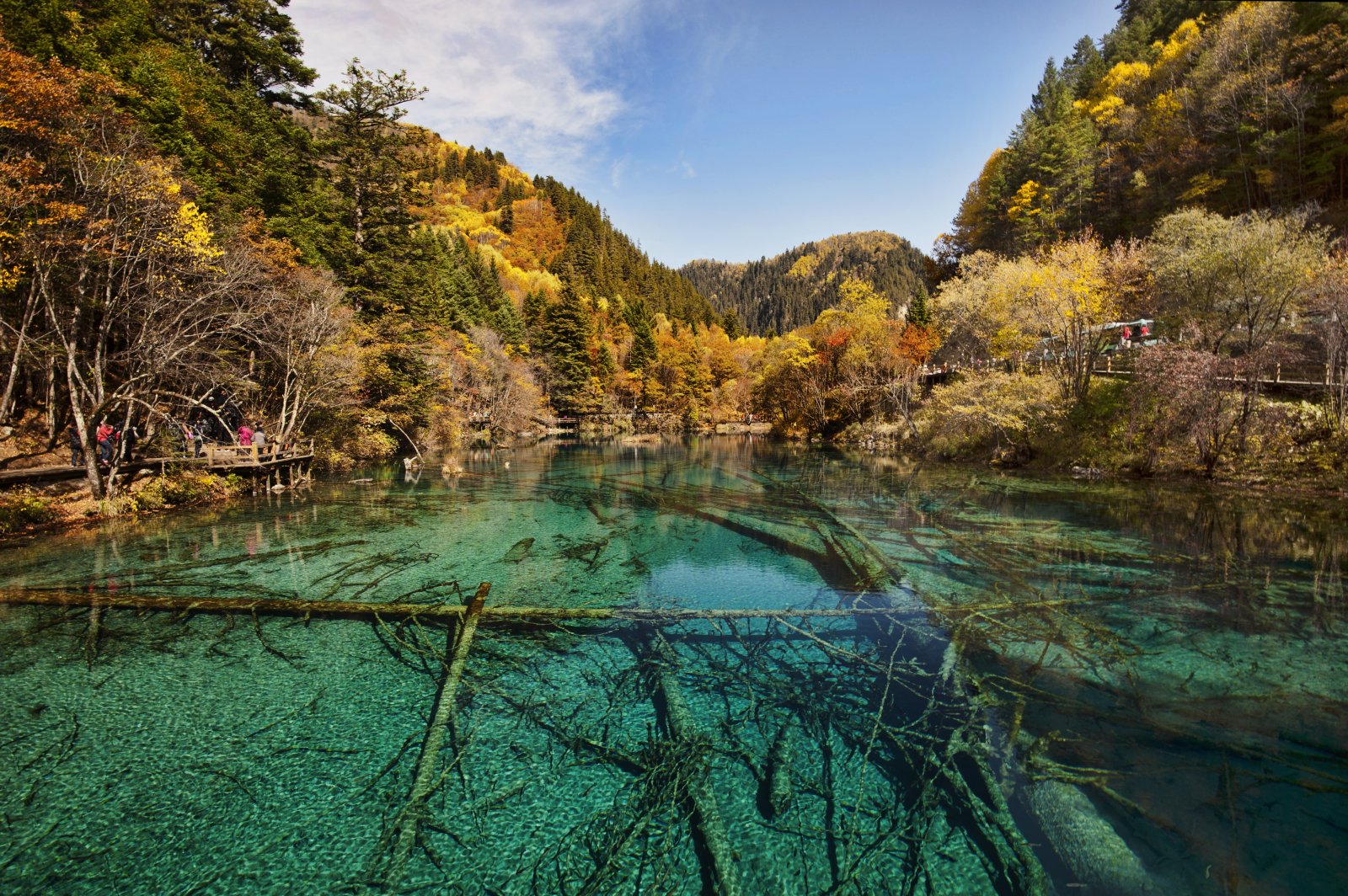
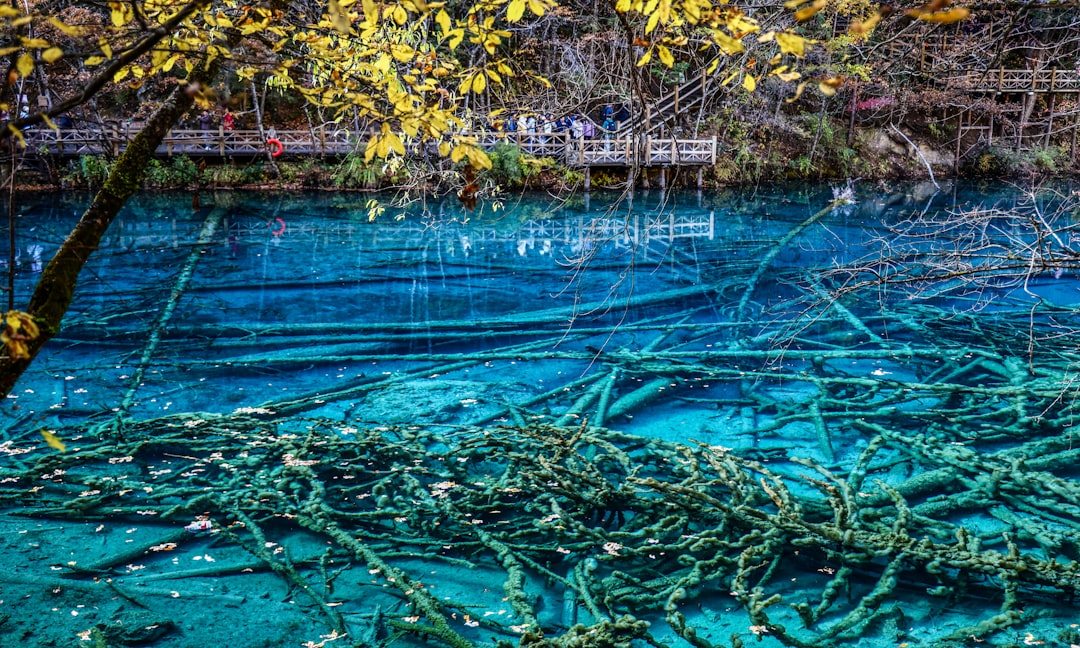
The Five-Flower Lake derives its name from the stunning array of colors that dance across its surface—shades of azure blue, dark green, and light yellow. This enchanting palette is the result of unique mineral deposits, algae, and aquatic plants that thrive in the lake's crystal-clear waters. Visitors can often spot ancient tree trunks submerged below, remnants of a forest that once thrived in the valley before being flooded by the lake. This interplay of colors and ancient remains creates a surreal and almost otherworldly atmosphere.
Art and architecture in the Jiuzhaigou region are deeply intertwined with the local culture. Traditional Tibetan and Qiang architecture can be seen in the villages surrounding the park, characterized by their wooden structures and intricate carvings. The vibrant colors of the buildings echo the hues found in the Five-Flower Lake, creating a harmonious aesthetic that reflects the natural beauty of the area. Notable artworks include intricate thangka paintings, a traditional Tibetan style of painting on fabric that often depicts Buddhist deities and landscapes, further connecting the culture to the stunning environment.
Local customs and traditions play a vital role in the identity of the inhabitants of Jiuzhaigou. Festivals such as the Tibetan New Year (Losar) and the Qiang Torch Festival are celebrated with great enthusiasm, showcasing traditional dances, music, and culinary delights. These celebrations not only highlight the rich cultural heritage of the Tibetan and Qiang people but also serve as a reminder of the community's resilience and connection to the land. Visitors are often welcomed to participate in these festivities, gaining a deeper understanding of the local way of life.
When it comes to gastronomy, the region offers a feast for the senses. Local dishes reflect the ingredients available in the mountainous terrain, with staples such as barley, potatoes, and various meats playing a central role. One must try the Tibetan butter tea, a unique blend of tea, butter, and salt that is both nourishing and energizing. Another local specialty is Qiang-style roasted lamb, marinated with a medley of spices that highlight the region's culinary influences. These flavors, combined with the stunning backdrop of the Five-Flower Lake, create an unforgettable dining experience.
For those intrigued by hidden curiosities, Jiuzhaigou offers plenty of surprises. The park is home to a variety of endangered species, including the giant panda and the golden snub-nosed monkey, making it a vital conservation area. Additionally, the park's unique karst formations and waterfalls contribute to its ecological diversity, with over 200 species of birds and numerous plant species that can only be found in this region. The Five-Flower Lake itself has a depth of about 7.5 meters, yet its transparency allows for stunning visibility, often leading to the illusion of infinite depth.
The best time to visit Jiuzhaigou National Park is during the fall, typically from late September to mid-November. The autumn foliage transforms the surrounding forest into a canvas of vibrant yellows, oranges, and reds, creating an awe-inspiring contrast with the lake's brilliant colors. To make the most of your visit, consider arriving early in the morning to witness the sunrise over the lake, when the colors are at their most vivid. Be sure to wear comfortable footwear, as the park offers numerous hiking trails that showcase its natural beauty.
As you explore the wonders of the Five-Flower Lake and its surroundings, take a moment to immerse yourself in the local culture and history that shape this remarkable destination. For a personalized itinerary to enhance your visit to Aba, consider using the Secret World app to uncover hidden gems and experiences tailored to your interests.
