
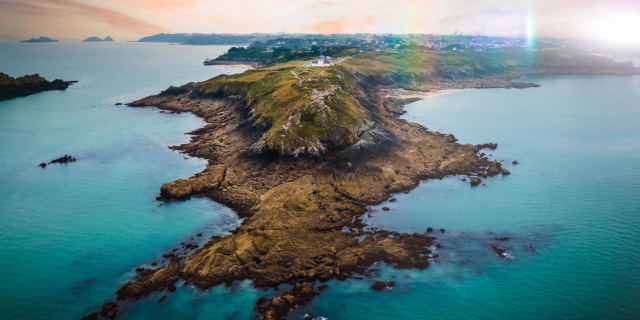

Cézembre Island is a small island located near Saint-Malo in Brittany, France. During World War II, it served as a key Axis fortification and played a significant role in the military operations of the time.
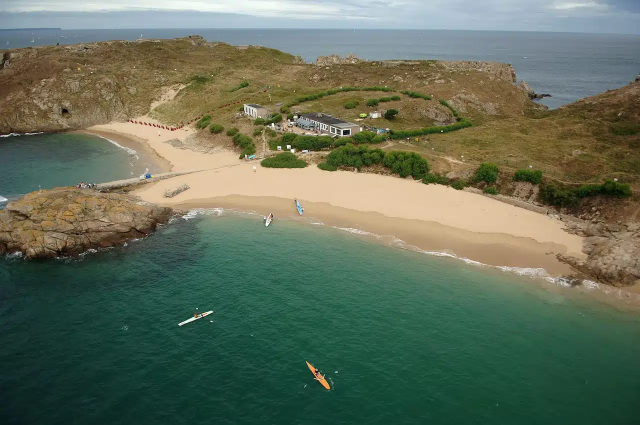
The German forces heavily fortified Cézembre Island as part of the Atlantic Wall, a defensive line constructed by the Germans along the coast to deter potential Allied invasions. The island's strategic location and natural defenses made it an ideal stronghold.
The fortifications on Cézembre Island included concrete bunkers, gun emplacements, underground tunnels, and other defensive structures. These installations housed artillery batteries and machine gun nests, aiming to defend against any approaching Allied forces.
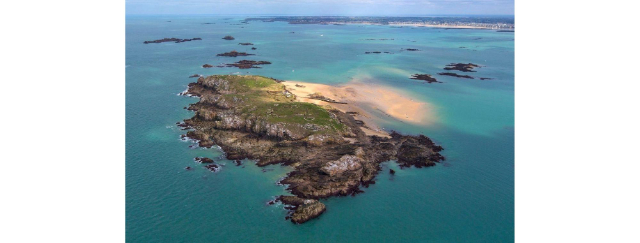
In 1944, as part of the Allied invasion of Normandy, Cézembre Island became a target for liberation. The island was subjected to intense aerial and naval bombardments by the Allies, seeking to neutralize the German defenses. Eventually, after several days of fighting, the German garrison surrendered, and the island was secured by the Allies.
Today, Cézembre Island stands as a historical reminder of the events that took place during World War II. Although the island is not accessible to the public due to safety concerns and the risk of unexploded ordnance, its presence is a testament to the scale of fortifications constructed by the Axis forces and the challenges faced by the Allies in their efforts to liberate the region.
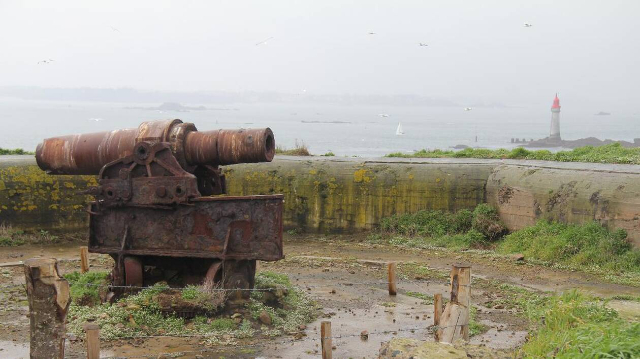
For those interested in World War II history, visiting Saint-Malo and learning about the fortifications on Cézembre Island can provide valuable insights into the conflict and the strategies employed by both sides. While the island itself may not be accessible, various museums, memorials, and historical sites in the region offer opportunities to delve into this significant period of history.


