
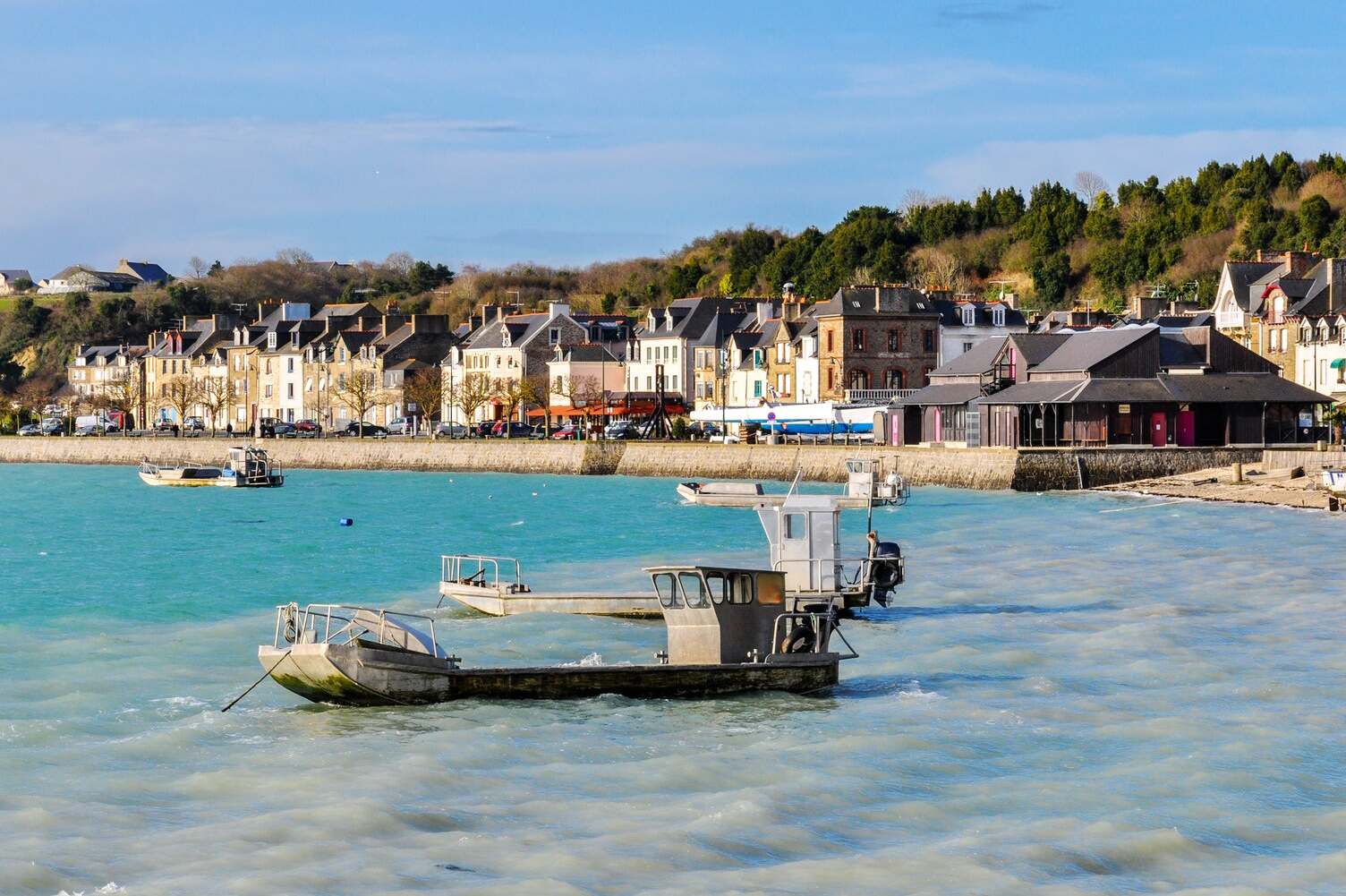

In the heart of Brittany, the small town of Cancale stands as a beacon of gastronomic delight and coastal charm. Known as the oyster capital of France, Cancale is a picturesque fishing port where the shimmering waters meet a vibrant culinary culture that has thrived for centuries. Visitors flock here not only to indulge in its famed wild oysters but also to experience the rich tapestry of history, art, and local traditions that define this unique coastal town.
History and Origins
Cancale’s history can be traced back to antiquity, with evidence of Roman settlements in the area. The town's strategic location along the Emerald Coast made it an important fishing hub. During the Middle Ages, Cancale developed its reputation as an oyster-producing center, a tradition that continues robustly today. Notably, in the late 19th century, the oyster farming industry blossomed, positioning Cancale as a leader in French oyster production. The arrival of the railway in the 19th century further accelerated its growth, making it accessible to visitors and boosting its economy.
One of the most significant historical events occurred in 1944 when Cancale was liberated during World War II. The town's resilience is reflected in its architecture, with many buildings showcasing the classic Breton style, characterized by granite facades and slate roofs.
Art and Architecture
Cancale's architectural landscape is a testament to its rich history. The Église Saint-Méen, a striking 15th-century church, stands as a prominent landmark. Its intricate wooden altar and beautiful stained glass tell stories of the town's past and its deep-rooted spiritual traditions. The Port de Cancale, with its vibrant fishing boats and bustling market stalls, offers a picturesque view that artists have captured for generations. The fishing huts, painted in various hues, add to the town's charm and provide a colorful backdrop for photography enthusiasts.
Local artists often showcase their work inspired by the landscape, the sea, and the bountiful harvests of the region. Art galleries and craft shops scattered throughout town feature local artisans, making it a hub for those interested in authentic Breton art.
Local Culture and Traditions
The culture of Cancale is deeply intertwined with the sea and its resources. The Fête de l’Huitre, celebrated every year in October, honors the town's oyster harvest and attracts visitors from far and wide. Featuring tastings, workshops, and live music, this festival is a perfect opportunity to experience Cancale’s vibrant community spirit.
In addition to the oyster festival, locals embrace traditional Breton customs, including fest-noz (night festivals), where folk music and dance celebrate the region’s cultural heritage. The Breton language, although not widely spoken, can still be heard during these gatherings, echoing the town’s commitment to preserving its unique identity.
Gastronomy
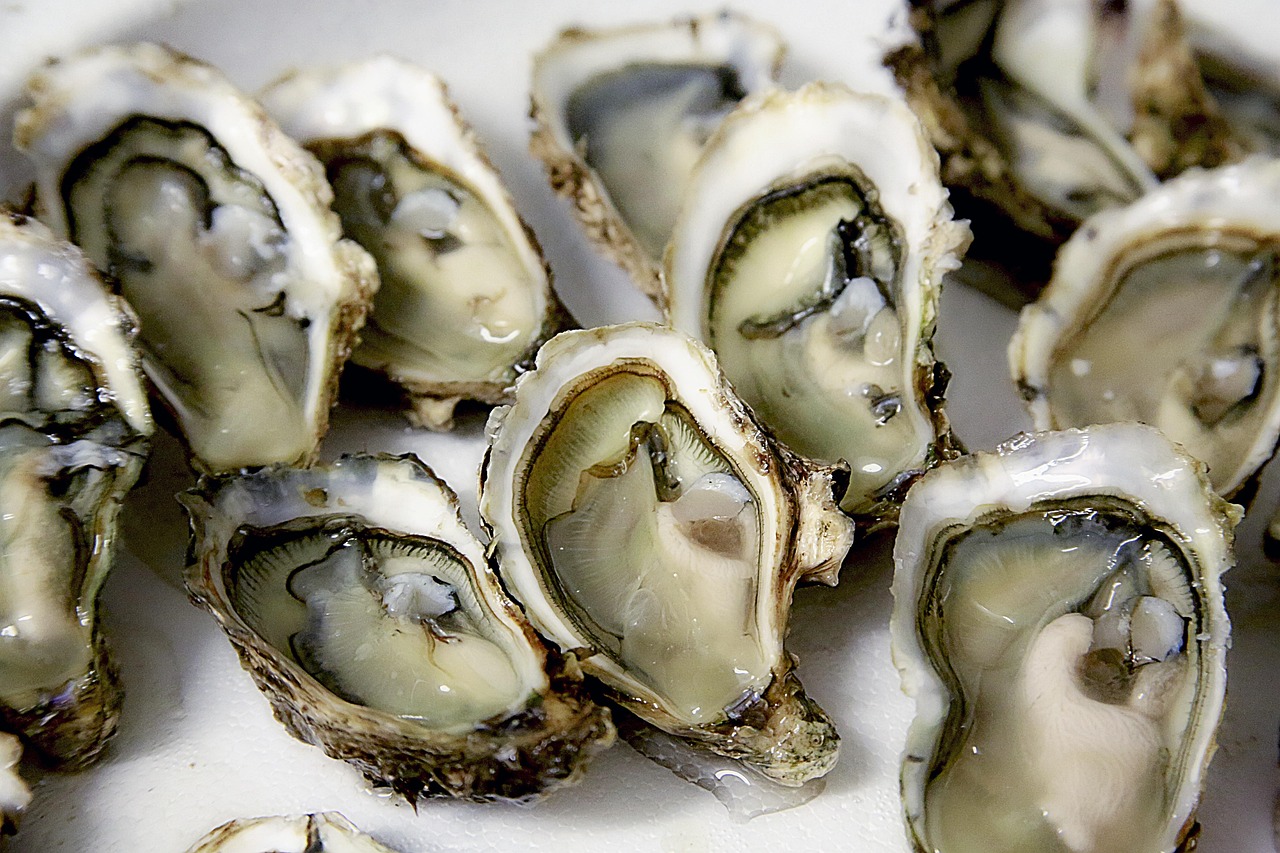
Cancale is synonymous with gastronomy, particularly its renowned wild oysters, known as “huitres de Cancale.” These oysters are celebrated for their unique flavor, influenced by the local waters and tidal variations. Visitors can savor them fresh at the Marché aux huitres, a lively oyster market where local producers sell their catch directly to customers.
Beyond oysters, the region offers a delightful array of seafood dishes, including mussels, clams, and fish stew. Pair these delicacies with a glass of local cidre or muscadet wine for a true taste of Brittany. Don’t miss trying the galettes de sarrasin (buckwheat crepes), a beloved local dish that showcases the culinary diversity of the area.
Lesser-Known Curiosities
While many tourists flock to Cancale for its oysters, few are aware of the town's history as a shipbuilding center in the 18th century. The remnants of this industry can be spotted in the architecture of some older buildings and the design of local boats.
Another hidden gem is the Chapelle de la Madelaine, perched on a cliff offering breathtaking views of the bay. This chapel, often overlooked, holds a special place in the hearts of locals and is a serene spot for reflection.
Practical Visitor Information
The best time to visit Cancale is during the spring and early autumn months, when the weather is mild, and the oysters are at their peak. The town can be easily reached by car, being only a 50-minute drive from Mont Saint-Michel, making it an ideal day trip.
When visiting, take time to stroll along the coastal path, which offers stunning views of the Brittany coastline. Don’t forget to explore the charming streets lined with boutiques and cafés, where you can indulge in local pastries and enjoy the relaxed atmosphere.
To fully immerse yourself in Cancale’s offerings, consider using the Secret World app to craft a personalized itinerary for your visit.


