
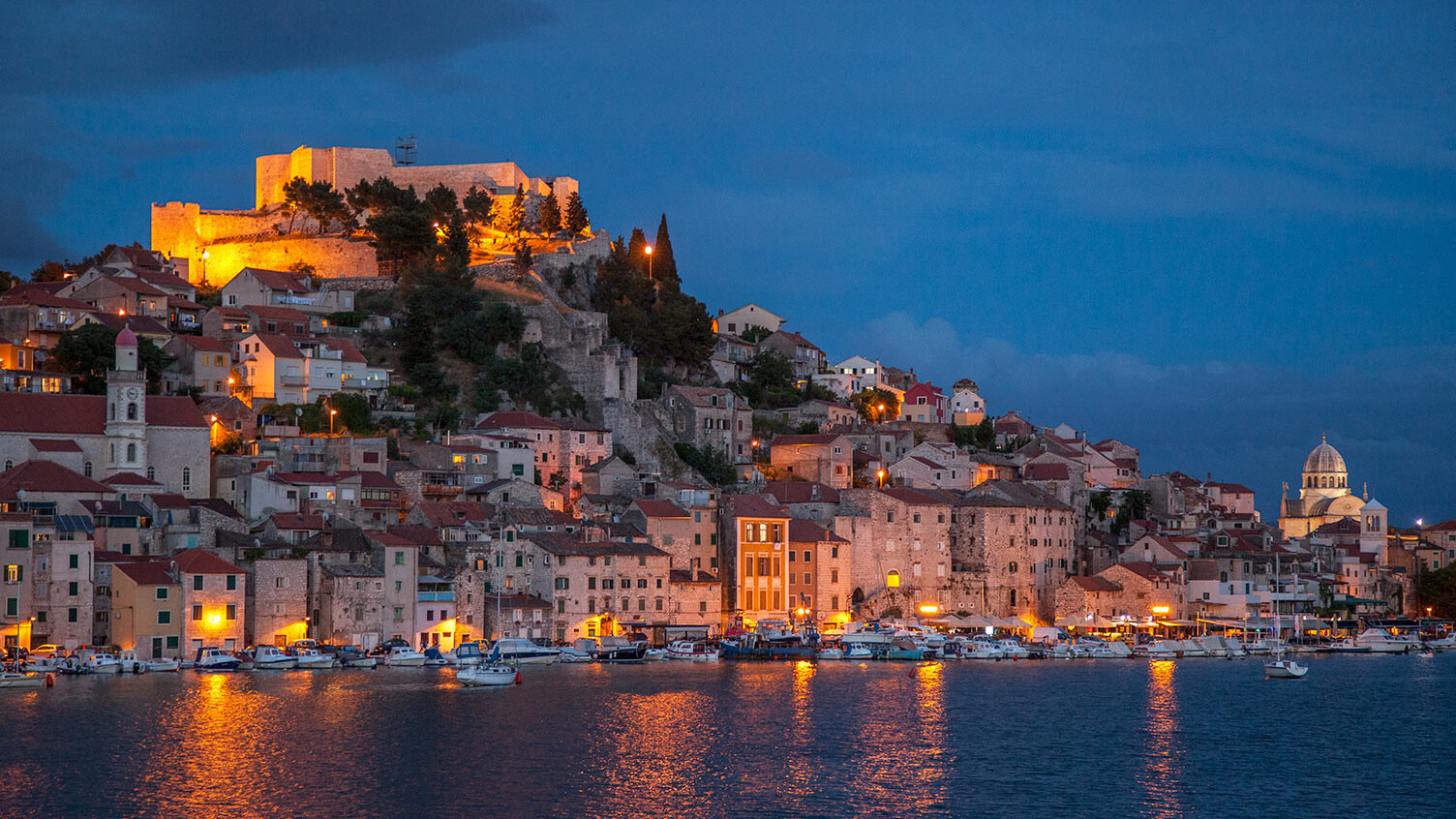

Nestled along the stunning Dalmatian coast, the fortified town of Šibenik is a treasure trove of history, art, and culture. Founded by Croats around the 9th century, Šibenik has seen the rise and fall of empires and has been a silent witness to the tides of history. Its first mention in a document was in the 11th century, penned by King Petar Krešimir IV, marking the town as a significant player in the medieval Croatian state.
The strategic location of Šibenik made it a coveted prize for various nations, including the Austro-Hungarian monarchy, the Byzantines, and the Venetians. The Venetian rule lasted for a remarkable 400 years, which undeniably shaped the town’s development and left a lasting legacy in its architecture and culture.
Among the architectural marvels, the Cathedral of St. James stands as the crowning jewel of Šibenik. Completed in 1536, this UNESCO World Heritage site is renowned for its unique blend of Gothic and Renaissance styles, showcasing intricate stone carvings and an impressive façade. The cathedral's construction involved local stone, notably from the nearby island of Brač, and utilized the skills of master builders like Giovanni Battista and Niccolò. The cathedral is adorned with over 70 sculptural heads, each telling a story that reflects the town's rich heritage.
The fortifications surrounding Šibenik also contribute to its charm. The St. Nicholas Fortress, built in the 16th century, is a testament to the town's military history and stands guard at the entrance to the Šibenik channel. Visitors can explore its walls and enjoy breathtaking views of the sea and surrounding landscapes.
Šibenik's local culture is vibrant and steeped in tradition. The town celebrates several festivals throughout the year, with Šibenik’s Summer Festival being a highlight. This annual event features a blend of music, theatre, and dance, showcasing local talent and attracting artists from around the world. The town also celebrates St. James’ Day on July 25th, honoring its patron saint with processions, music, and traditional performances.
Gastronomy in Šibenik is a delightful journey through local flavors. The region is known for its fresh seafood, particularly sardines, mussels, and octopus, often prepared with local olive oil and herbs. One must try the traditional dish pašticada, a slow-cooked beef stew marinated in red wine, served with gnocchi. Pair your meals with local wines, such as the robust Plavac Mali, which perfectly complements the flavors of Dalmatian cuisine.
For those intrigued by lesser-known facts, Šibenik holds some surprising stories. One of the town's most unique features is its stone house, which is said to be the narrowest house in the world, measuring just 1.2 meters wide! Additionally, Šibenik is home to the Fountain of St. James, an impressive structure that not only served as a source of water but also as a gathering place for locals, reflecting the town's communal spirit.
The best time to visit Šibenik is during the spring and early autumn months, from April to June and September to October. During these periods, the weather is pleasant, and the tourist crowds are smaller, allowing for a more intimate experience of the town’s rich offerings. Tips for visitors include exploring the winding streets of the old town, taking a guided tour to fully appreciate the historical context, and enjoying a leisurely meal at one of the waterfront restaurants for an authentic taste of Dalmatian life.
In conclusion, Šibenik is a town that beautifully encapsulates the complexities of Croatian history, culture, and artistry. Its historical significance, stunning architecture, and vibrant local traditions make it a must-visit destination on the Dalmatian coast. To truly experience the wonders of Šibenik, consider using the Secret World app to craft a personalized itinerary that fits your interests.


