
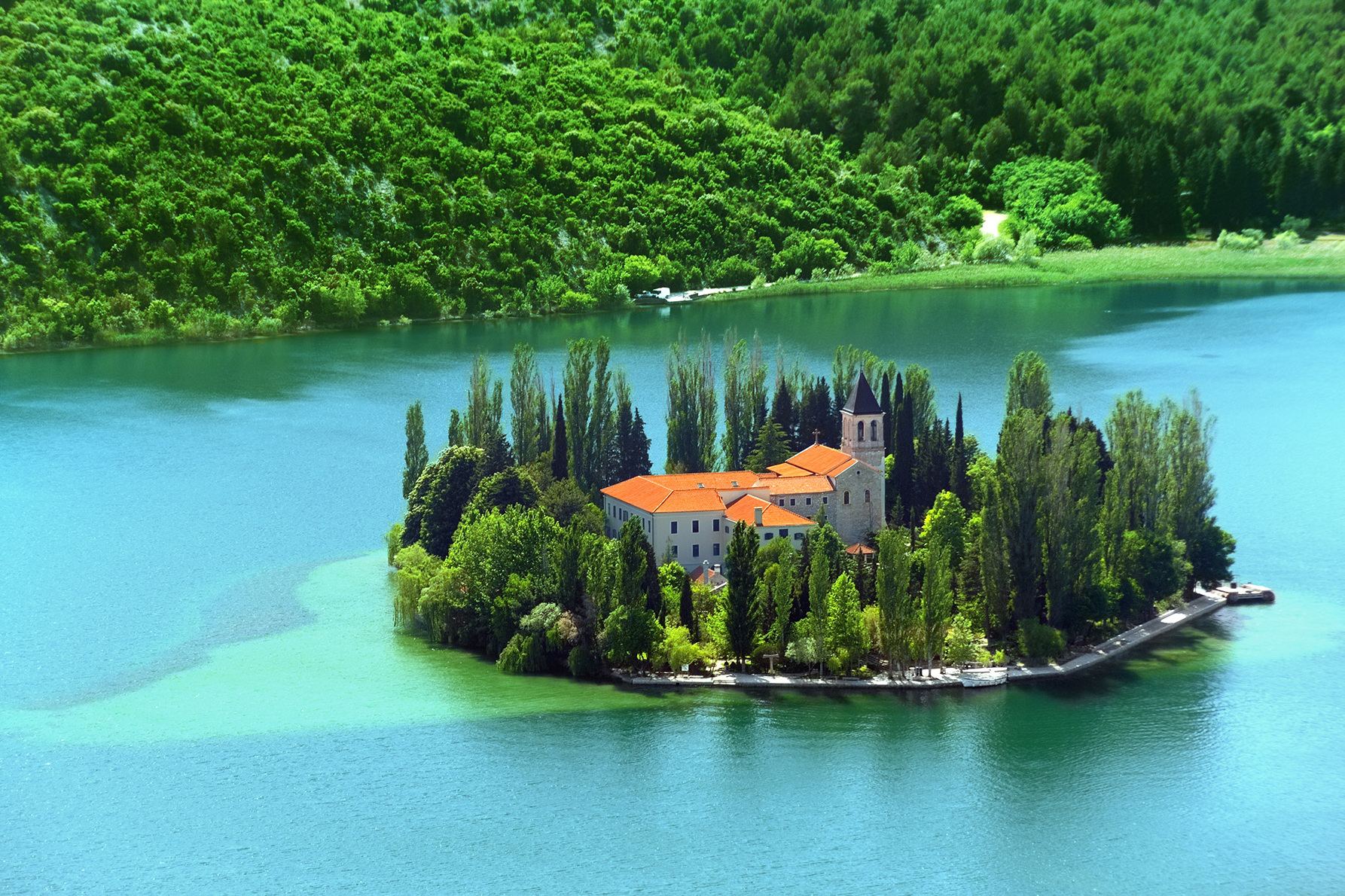

Nestled in the heart of Krka National Park, Visovac Island is a serene oasis steeped in history and spiritual tranquility. The island's crown jewel is the Franciscan Monastery, a sanctuary of peace and reflection for centuries. Its story begins in 1445 when the Franciscans established the monastery, but the island's roots stretch back even further. Archaeological findings suggest the site was inhabited during ancient times, with the remnants of Roman and Illyrian civilizations whispering tales of the past.
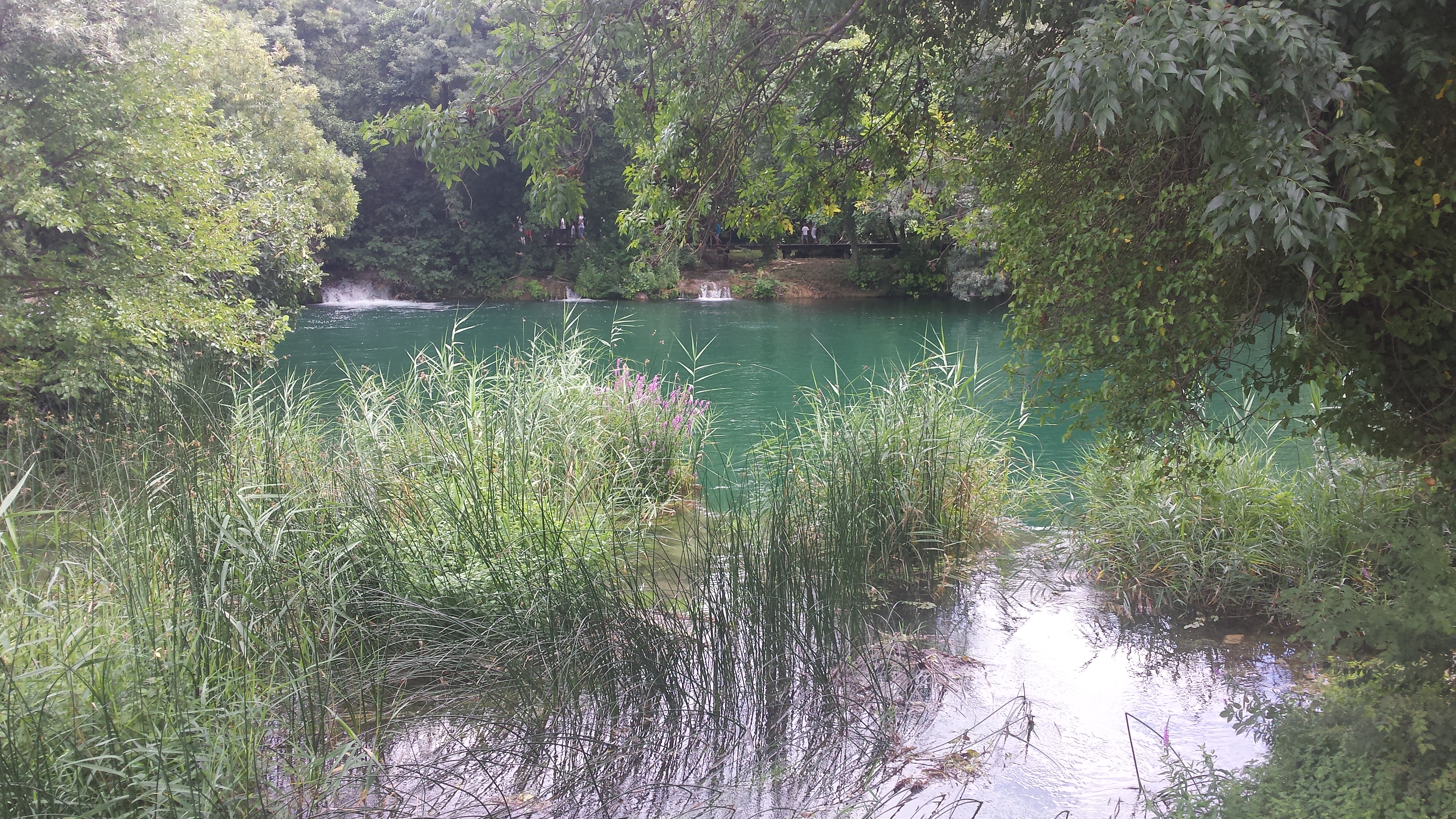
Throughout its history, Visovac has been a refuge in tumultuous times. During the Ottoman invasions in the 15th century, refugees sought solace on the island, adding layers to its cultural tapestry. The Franciscans, known for their dedication to education and preservation, transformed the monastery into a hub of learning and religious devotion. The library, housing over 620 rare manuscripts and incunabula, stands as a testament to their commitment to knowledge and history.
The architecture of the Franciscan Monastery is a harmonious blend of Gothic and Renaissance styles, with a touch of Baroque influence evident in later renovations. The simple yet elegant church, with its high vaulted ceilings, invites contemplation. Inside, visitors can admire exquisite religious artifacts, including a revered icon of the Virgin Mary, believed to bring protection to the island. The monastery's cloister, with its tranquil garden, offers a meditative space where the gentle rustle of leaves accompanies the soft whisper of the wind.
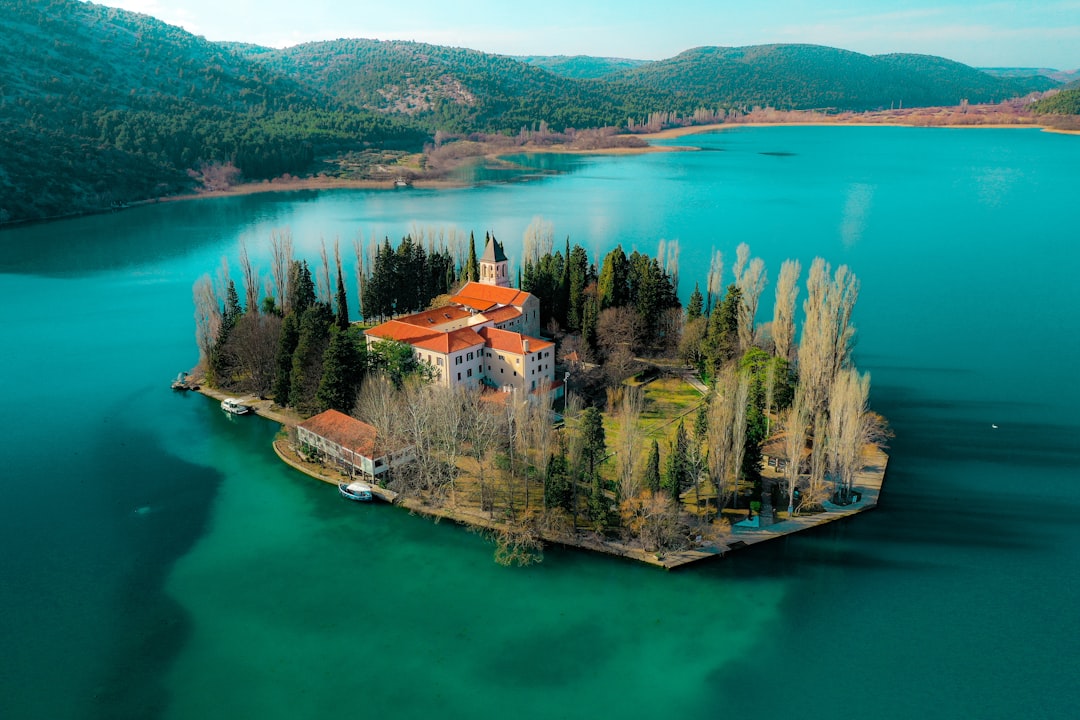
Visovac's cultural fabric is woven with rich local traditions. The Feast of the Assumption, celebrated on August 15, is a significant event, drawing pilgrims from across the region. During this vibrant festival, the island comes alive with processions, traditional music, and local fare, offering a glimpse into the spiritual life that has thrived here for centuries. The Franciscans continue to play a vital role in preserving these customs, ensuring that the island remains a living testament to the region's cultural heritage.
A visit to Visovac wouldn't be complete without indulging in local gastronomy. The surrounding area of Brištane is known for its prosciutto, or pršut, a delicacy cured by the gentle Dalmatian breeze. Pair this with locally produced cheeses and olives for a true taste of the region. While the island itself does not offer dining options, nearby Skradin is a culinary haven, where you can delight in traditional dishes like the slow-cooked Skradinski risotto, a dish that requires both patience and skill to perfect.
For those seeking lesser-known curiosities, Visovac Island is full of surprises. One such tale involves the island's White Madonna, a statue that mysteriously survived a devastating fire unscathed. This miracle has become a symbol of hope and resilience for the local community. Another intriguing aspect is the island's natural environment, a sanctuary for rare bird species, making it a haven for birdwatchers and nature enthusiasts alike.
When planning a visit, consider the best time to explore Visovac between May and September when the weather is pleasant and the natural beauty of the surrounding landscape is in full bloom. The island is accessible by boat from Skradin or other points along the Krka River, offering a scenic journey through the park's emerald waters. Be sure to respect the island's sacred atmosphere by dressing modestly and maintaining a quiet demeanor.
As you wander the island, take the time to explore its hidden corners. Look for the ancient stone crosses scattered throughout the grounds, remnants of the island's spiritual journey. Pause to listen to the echoes of history and the gentle lapping of the water against the shore. In Visovac, history, spirituality, and nature blend seamlessly, creating a unique experience that lingers long after your visit.


