

← Back

The Holy Face of Lucca

Piazza Antelminelli, 55100 Lucca LU, Italia ★★★★☆ 725 views
Katia Crishna
Lucca
🏆 AI Trip Planner 2026

Get the free app

Discover the best of Lucca with Secret World — the AI trip planner with 1M+ destinations. Get personalized itineraries, hidden gems and local tips. Free on iOS & Android.

🧠 AI Itineraries 🎒 Trip Toolkit 🎮 KnowWhere Game 🎧 Audio Guides 📹 Videos
Download on the App Store Get it on Google Play
Scan to download Scan to download

Religious places · Lucca

The Holy Face of Lucca - Lucca | Secret World Trip Planner

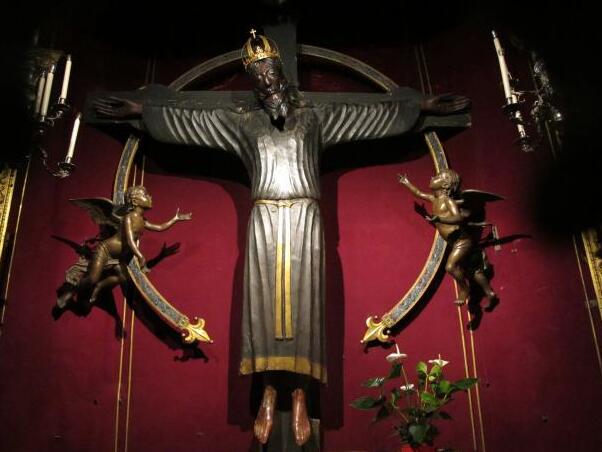
Nestled in the heart of Lucca, Italy, the Holy Face of Lucca is a revered crucifix that draws pilgrims and art enthusiasts alike. This striking piece of religious art boasts a rich history, intricate artistic details, and a deep cultural significance that transcends centuries.

The Holy Face of Lucca - Lucca | Secret World Trip Planner

### History and Origins The Holy Face of Lucca, known as the Volto Santo, is steeped in legend and mystery. According to local tradition, this remarkable crucifix was sculpted by Nicodemus, a figure often associated with the life of Jesus Christ, and was said to have been completed by a divine hand. The crucifix made its way to Lucca in 842 AD after a perilous sea voyage, becoming a focal point of devotion for the local community.

The origins of the Holy Face are further enriched by its connection to the Pilgrimage of the Holy Face, which has attracted countless pilgrims over the centuries. This annual event underscores the crucifix’s significance, as it serves as a spiritual anchor for the faithful and a symbol of hope.

The Holy Face of Lucca - Lucca | Secret World Trip Planner

### Art and Architecture Artistically, the Holy Face of Lucca is a stunning example of early medieval craftsmanship. Created in the 11th century, the crucifix reflects a unique blend of styles. Jesus is depicted alive on the Cross, dressed in a long-sleeved tunic, with a body characterized by large, flat folds that evoke a sense of both solemnity and majesty.

One of the most striking features of the Holy Face is its iconography. The elongated face, prominent moustache, and split beard adhere to Oriental artistic traditions. However, it is the expressive, large round eyes that have captivated observers for centuries, imbuing the piece with a profound emotional depth. The artistic significance of this work lies in its ability to bridge the divine and the human, inviting viewers into a contemplative experience.

### Local Culture and Traditions In Lucca, the Holy Face of Lucca is more than just an object of veneration; it is a cornerstone of local culture. The city celebrates several traditions surrounding this sacred relic. Notably, the Feast of the Holy Face, held every September, draws locals and tourists alike. During this festival, the crucifix is paraded through the streets, accompanied by music, prayers, and communal feasting.

The crucifix also plays a role in local weddings, where couples often visit to seek blessings for their union. This intertwining of the Holy Face with daily life illustrates the deep-rooted spiritual beliefs of the community, making it an integral part of Lucca’s identity.

### Gastronomy The culinary landscape of Lucca is as rich as its history. Typical local foods are often enjoyed in connection with the celebrations of the Holy Face. Visitors can savor Tordelli Lucchese, a type of pasta filled with seasoned meat, typically served with a savory tomato sauce. Torta Duca, a local cake made from chestnut flour, is a delightful treat that reflects the area’s agricultural heritage.

Pair these dishes with a glass of Chianti, a robust red wine, or perhaps a refreshing Vin Santo, a dessert wine that locals often enjoy after meals. These gastronomical experiences provide a delicious link to the cultural traditions surrounding the Holy Face.

### Lesser-Known Curiosities While many are familiar with the grandeur of the Holy Face, several lesser-known stories and curiosities often go unnoticed. One intriguing fact is the legend of the stolen Holy Face. In 1484, the crucifix was briefly stolen by pirates and was only recovered after a series of miraculous events, enhancing its reputation as a protector of the city.

Additionally, the Holy Face has been the subject of various artistic interpretations over the centuries, inspiring local artists and craftsmen. Hidden within the walls of the San Martino Cathedral, where the crucifix is housed, visitors can discover intricate details and carvings that narrate its storied history.

### Practical Visitor Information The best time to visit Lucca and admire the Holy Face is during the spring and early fall when the weather is mild, and local festivities are in full swing. The city is easily accessible by train or car, making it a perfect day trip from larger cities like Florence or Pisa.

When visiting, look for the San Martino Cathedral to see the Holy Face up close. Be sure to take a moment to appreciate the emotional intensity of the crucifix, and consider joining in the local traditions to fully immerse yourself in the culture.

The Holy Face of Lucca is not just a destination; it’s a journey into the heart of Italian spirituality and artistry, inviting all who visit to reflect on its profound significance.

For a more personalized experience in Lucca, consider using the Secret World app to craft your unique itinerary.

🗺 AI Trip Planner

Plan your visit to Lucca

Suggested itinerary near The Holy Face of Lucca

MAJ+
500.000+ travelers worldwide
  1. 🌅
    Morning
    The Holy Face of Lucca
    📍 Lucca
  2. ☀️
    Afternoon
    Lucca: Ghirlandaio's Sacred Conversation
    📍 0 km · Lucca
  3. 🌆
    Evening
    Lucca | Palazzo Bernardini and the Devil's Stone
    📍 0.2 km · Lucca

Buy Unique Travel Experiences

Powered by Viator

See more on Viator.com

Explore nearby · Lucca

Frequently Asked Questions

The Holy Face of Lucca, known as the Volto Santo, is a revered crucifix steeped in legend and believed to have been sculpted by Nicodemus, a figure associated with the life of Jesus Christ. According to local tradition, the crucifix arrived in Lucca in 842 AD after a perilous sea voyage and has since become a focal point of devotion for pilgrims and art enthusiasts.
The Holy Face was created in the 11th century and represents a stunning example of early medieval craftsmanship that blends multiple artistic styles. The crucifix depicts Jesus alive on the Cross wearing a long-sleeved tunic with large, flat folds that convey both solemnity and majesty.
The Holy Face is characterized by an elongated face with a prominent moustache and split beard that follow Oriental artistic traditions, along with expressive, large round eyes that have captivated observers for centuries. These features create a profound emotional depth that invites viewers into a contemplative experience and bridges the divine and human elements.
Yes, the Pilgrimage of the Holy Face is an annual event that draws countless pilgrims over the centuries, underscoring the crucifix's spiritual significance. This pilgrimage serves as a spiritual anchor for the faithful and a symbol of hope within the local community of Lucca.
The Holy Face of Lucca transcends being merely an object of religious art; it holds deep cultural significance that spans centuries and serves as a spiritual focal point for the local community. The crucifix's rich history, intricate artistic details, and connection to legendary origins make it one of Italy's most revered pieces of religious artwork and a major attraction for both pilgrims and art enthusiasts.