
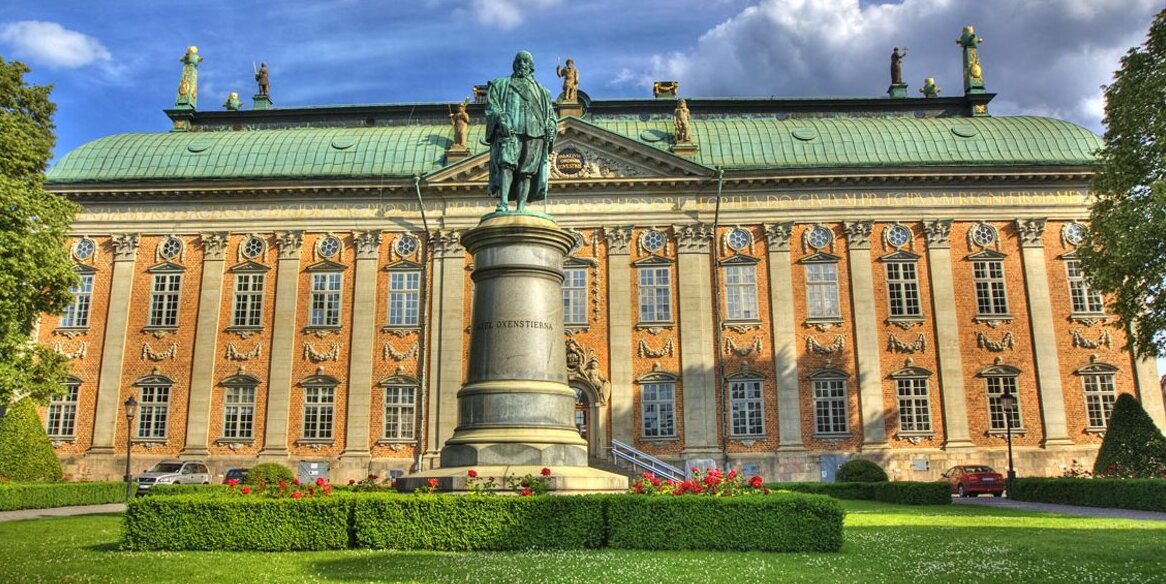

Nestled in the heart of Stockholm, the House of Nobility (Riddarhuset) stands as a testament to Sweden's rich aristocratic heritage. Established between 1641 and 1672, this architectural gem was originally envisioned as a chamber for the Estates of the Realm, paralleling the British House of Lords. After the pivotal year of 1866, when the Riksdag of the Estates transitioned to a new parliamentary system, the House of Nobility evolved into a quasi-official representation for the Swedish nobility, operating under the aegis of the Swedish government.
The story of the House of Nobility begins with its architect, Simon De la Vallée, a Frenchman whose ambitious designs were tragically cut short by his untimely death at the hands of a Swedish nobleman in 1642. His son, Jean De la Vallée, took up the mantle, completing the building in 1660. The structure is a striking example of Dutch Renaissance architecture, characterized by its grand façade, ornate decorations, and impressive interior. The south end boasts a Latin inscription, CLARIS MAIORUM EXEMPLIS, paying homage to the exemplary legacies of Sweden's forefathers, while a statue of Gustav II Adolph stands sentinel, celebrating the nation's historical significance.
Beyond its architectural grandeur, the Riddarhuset has played a multifaceted role in Swedish culture. During the 18th century, it became a popular venue for public concerts, featuring performances by Kungliga Hovkapellet, the Royal Court Orchestra, starting in 1731. These concerts not only entertained the nobility but also fostered a vibrant musical culture that echoed through the streets of Stockholm.
The House of Nobility also serves as a cultural hub, deeply intertwined with Swedish traditions. Throughout the year, various events and festivals are held, celebrating the nobility's historical contributions to Swedish society. Nobility Day, for instance, commemorates the founding of the House and features ceremonies that reflect on the past roles of the aristocracy in governance and culture.
Visitors to the House of Nobility can indulge in local flavors that evoke the essence of Swedish cuisine. Traditional dishes like köttbullar (Swedish meatballs) and gravad lax (cured salmon) are often served at events held within its halls. Pair these with a glass of Aquavit, a traditional Swedish spirit flavored with herbs and spices, to experience the culinary heritage of the Swedish nobility.
While many tourists flock to the well-known attractions of Stockholm, the Riddarhuset holds lesser-known treasures that often go unnoticed. One intriguing detail is the noble coats of arms adorning the building's interior, each telling a story of the families that once wielded power in Sweden. Additionally, the House of Nobility is home to a unique library housing historical documents and artifacts that provide insight into Sweden's aristocratic past.
For those looking to visit, the House of Nobility is best experienced during the warmer months when the gardens surrounding the building bloom, enhancing its beauty. Guided tours are available, offering a deeper understanding of the building's history and significance. It's advisable to check the official website for any special events or exhibitions that might coincide with your visit, as these can add an enriching layer to your experience.
In conclusion, the House of Nobility is not just a building; it is a living chronicle of Sweden's aristocratic legacy, artistry, and culture. As you explore its hallowed halls, take a moment to absorb the echoes of history that resonate through its walls. To make the most of your visit and uncover personalized experiences, consider using the Secret World app for AI-generated itineraries tailored just for you.


