



Nestled within the historic landscape of Datong Shi, the Huayan Monastery stands as a testament to the rich spiritual and architectural heritage of the region. This complex, located on Daxi Street, is not only revered for its stunning structures but also for its profound connection to Buddhism and the Liao Dynasty (907 - 1125).

### History and Origins
The Huayan Monastery was founded during a time when the Liao emperors were ardent supporters of Buddhism. As the ancestral temple of the imperial family, it served as a sacred site for offering sacrifices and rituals, emphasizing the dynasty's dedication to the faith. The monastery's establishment can be traced back to 1021, under the reign of Emperor Shengzong, who recognized its significance for the royal lineage.
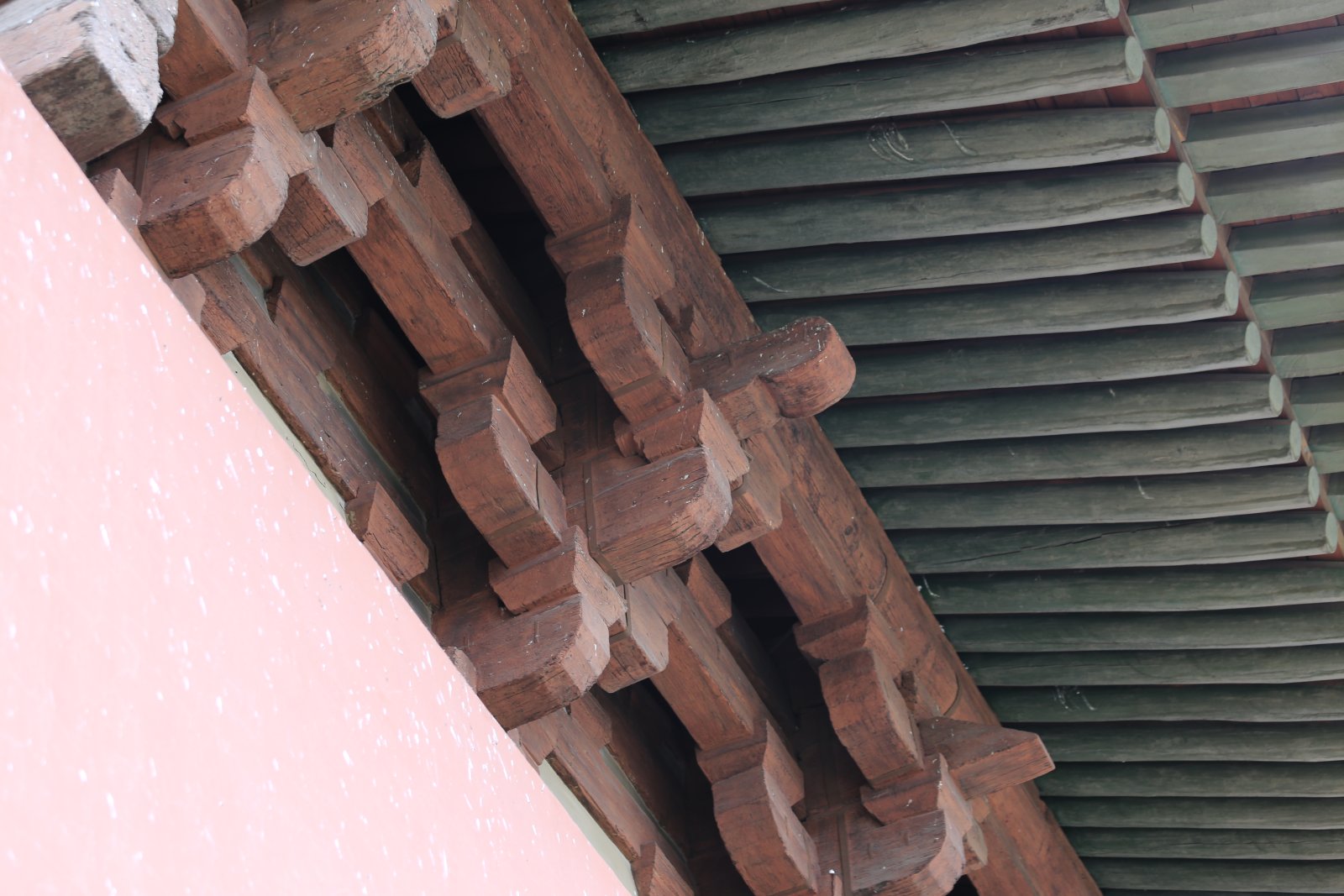
Following the fall of the Liao Dynasty, the complex underwent several transformations. In the Ming Dynasty (1368 - 1644), the temple was divided into two distinct sections—the Upper Monastery and the Lower Monastery. These divisions not only reflected the changing religious practices but also marked a period of architectural expansion and renovation, leading to the monastery we see today. Huayan remains the largest and best-preserved Liao Dynasty monastery, echoing the grandeur of its origins.
### Art and Architecture
The architectural style of Huayan Monastery is a remarkable fusion of Liao and Ming influences. The layout features a harmonious blend of traditional Chinese temple architecture with intricate wooden carvings, ornate eaves, and a series of stunning halls. The Main Hall of the Upper Monastery is particularly noteworthy, housing a magnificent statue of Sakyamuni, the historical Buddha, flanked by intricate depictions of various bodhisattvas.
Perhaps one of the most striking elements of the monastery is the Buddhist Library, which boasts an impressive collection of around 18,000 volumes of Buddhist writings. This library is not just a repository of texts; it is a vital cultural artifact that reflects the religious scholarship and devotion of past eras. Visitors can marvel at the meticulously crafted wooden shelves, which house ancient scriptures that have survived the test of time.
### Local Culture and Traditions
The cultural significance of Huayan Monastery extends beyond its physical structure. It is a vibrant center of local customs and traditions. Each year, the monastery hosts various Buddhist ceremonies and festivals, attracting devotees and tourists alike. One of the most prominent events is the Buddha’s Birthday, celebrated with elaborate rituals, chanting, and offerings. This festival not only showcases the spiritual fervor of the local community but also serves as a gathering point for families and visitors to engage in the rich tapestry of Buddhist culture.
The surrounding area of Datong is steeped in history, and local traditions often intertwine with the monastery’s activities. The community celebrates the Laozi Festival, which honors the teachings of Laozi, emphasizing harmony and balance in life, values that resonate deeply with Buddhist philosophy.
### Gastronomy
No visit to Datong Shi would be complete without indulging in its local cuisine. The region is known for its yangrou paomo, a hearty bread and mutton soup that warms the soul. Popular among both locals and visitors, this dish reflects the essence of northern Chinese cooking—simple yet flavorful.
Additionally, Huayan Monastery offers a unique culinary experience with its vegetarian meals, often served to monks and visitors alike. These meals, crafted from seasonal vegetables and grains, embody the principles of Buddhist cuisine, promoting mindfulness and ethical eating. Sampling these dishes while immersed in the serene atmosphere of the monastery adds a profound layer to the visit.
### Lesser-Known Curiosities
While many visitors are drawn to the grandeur of the monastery, there are hidden details that often go unnoticed. For instance, the intricate carvings on the wooden beams tell stories from Buddhist texts, serving as a visual narrative for those who take the time to look closely. Additionally, few know that the monastery was once home to an extensive collection of Buddhist relics, some of which were lost during the tumultuous periods of history.
Another intriguing aspect is the Cloister of the Thousand Buddhas, a lesser-visited section of the monastery. Here, visitors can find hundreds of small Buddha statues, each with its unique expression and pose, representing the diversity of Buddhist teachings.
### Practical Visitor Information
The best time to visit Huayan Monastery is during the spring and autumn months, when the weather is mild and conducive for exploration. Early mornings are particularly magical, as the temple grounds are often shrouded in mist, adding an ethereal quality to the experience.
When visiting, be sure to take a moment to explore both the upper and lower monasteries. Each section offers unique perspectives on Buddhist teachings and architectural styles. Photography is permitted, but visitors are encouraged to be respectful and mindful of the spiritual atmosphere.
For those planning a trip, consider engaging with local guides who can provide deeper insights into the monastery’s history and significance.
As you navigate the rich heritage of Datong Shi, a personalized itinerary can enhance your experience. Consider using the Secret World app to plan your visit to this captivating destination.
