
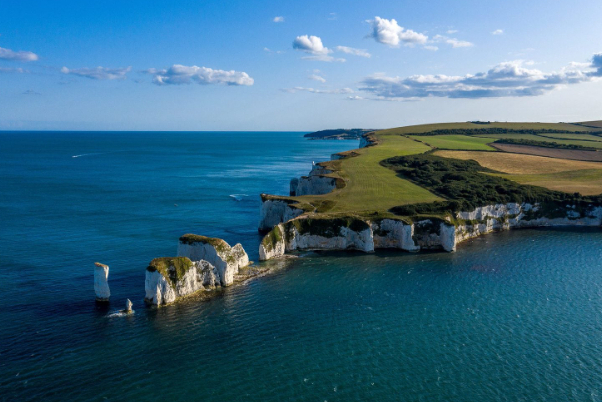

Nestled in the heart of Dorset, England, the Isle of Purbeck offers a landscape that seems drawn from the pages of a timeless fairy tale. Despite its name, this captivating piece of land is not truly an island but a peninsula, bordered by the English Channel and the serene waters of Poole Harbour. With its rich tapestry of history, unparalleled natural beauty, and vibrant cultural traditions, the Isle of Purbeck is a hidden gem waiting to be discovered.
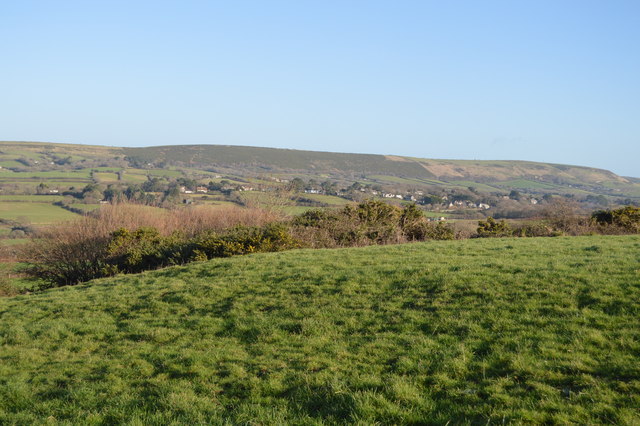
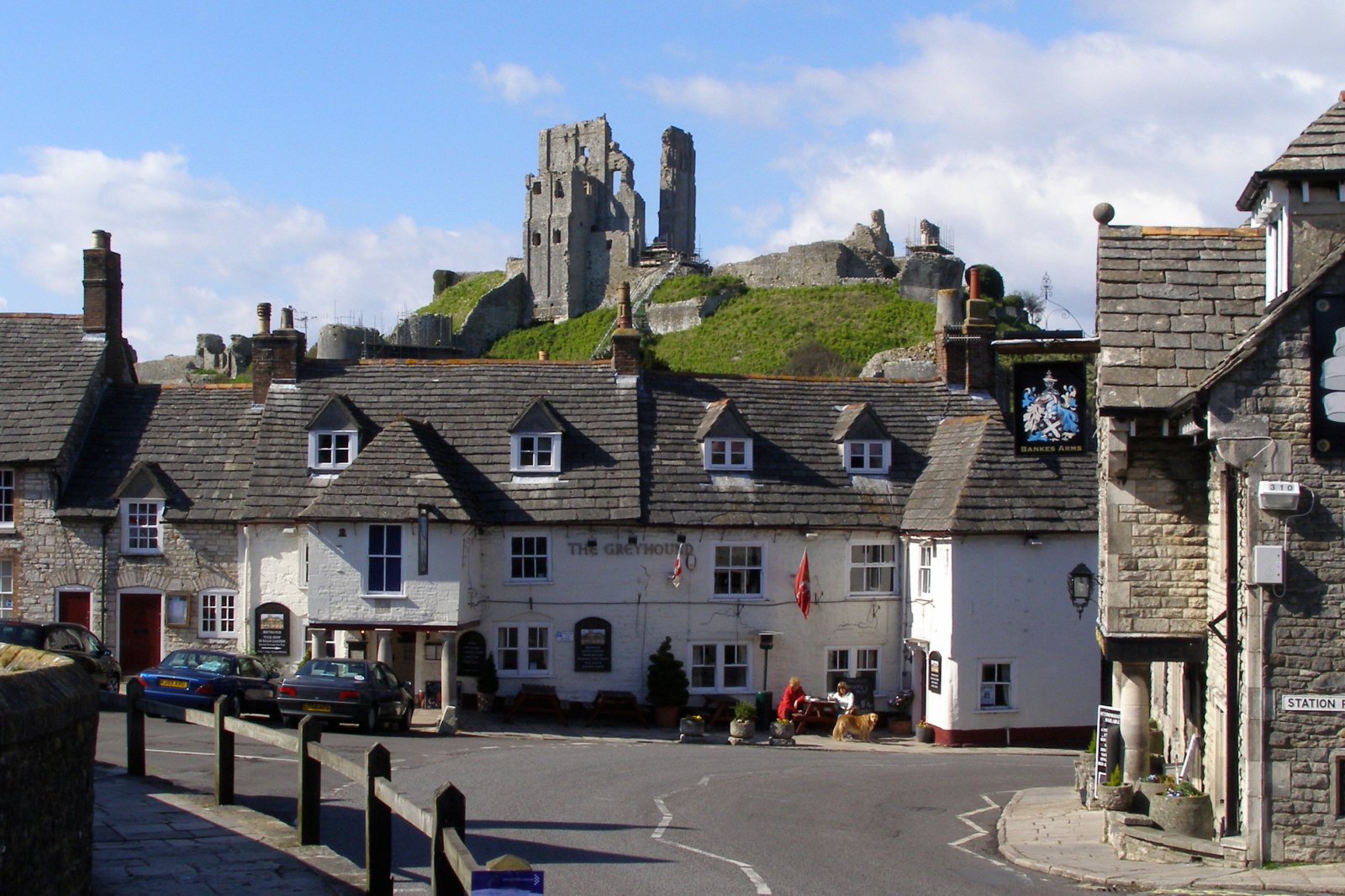
The history of the Isle of Purbeck is a journey through time that dates back to the Iron Age, with human settlements known to have existed since this early period. The area was once part of the Kingdom of Wessex and saw significant activity during the Saxon era. The Norman Conquest in 1066 brought further changes, with the construction of Corfe Castle, a formidable fortress whose ruins still dominate the landscape today. Built by William the Conqueror, the castle played a crucial role throughout medieval England, witnessing royal intrigues and sieges, most notably during the English Civil War.
Architecturally, the Isle of Purbeck is a testament to centuries of human ingenuity. The village of Swanage showcases charming Victorian architecture, a remnant of its transformation into a popular seaside resort during the 19th century. Meanwhile, the Purbeck Stone, a type of limestone quarried locally, has been used in the construction of iconic structures such as St. Paul's Cathedral in London. This stone, with its unique blend of durability and beauty, has cemented Purbeck’s place in the annals of architectural history.
Culturally, the Isle of Purbeck is a microcosm of Dorset's traditions. The Purbeck Art Weeks Festival, held annually, celebrates the area's rich artistic heritage, with local artists and musicians showcasing their talents. Traditional Morris dancing can often be seen at village fairs, a nod to England’s deep-rooted folk traditions. The Swanage Carnival and Regatta is another highlight, with a week-long celebration that includes parades, fireworks, and a host of family-friendly activities.
Gastronomy on the Isle of Purbeck is as rich and diverse as its landscapes. The local cuisine is a delightful exploration of Dorset’s agricultural bounty. Purbeck ice cream, made from locally sourced milk, is a must-try, offering unique flavors like Dorset Blue Vinny and honeycomb. Fresh seafood is also a highlight, with Swanage Pier providing some of the finest catches of the day. Traditional Dorset apple cake, a sweet treat imbued with the flavors of local orchards, is perfect for a mid-afternoon indulgence.
Among the lesser-known curiosities of the Isle of Purbeck is its astonishing biodiversity. The area boasts the highest number of species of native and anciently introduced wildflowers of any comparable area in Britain, making it a haven for botanists and nature enthusiasts. The Isle of Purbeck Golf Club, one of the oldest in the country, offers not just a challenging course but panoramic views that stretch across the Jurassic Coast, a UNESCO World Heritage site.
For those planning a visit, the best time to explore the Isle of Purbeck is during the late spring to early autumn months when the weather is mild and the countryside is in full bloom. Hiking along the South West Coast Path, which offers breathtaking views of the rugged coastline, is a must. Visitors should also take the historic Swanage Railway, a steam train journey that provides a nostalgic glimpse into the past while traversing some of the most scenic parts of the peninsula.
It's wise to come prepared for changeable weather, typical of England, with sturdy walking boots and a raincoat. Keep an eye out for the Old Harry Rocks, chalk formations that mark the eastern end of the Jurassic Coast and are steeped in local legend.
In essence, the Isle of Purbeck is a destination that promises an enriching experience, where every turn reveals a new story, every village a new character, and every meal a new flavor. It is a place where history, nature, and culture converge, offering an unforgettable journey into the heart of England's enchanting past and vibrant present.


