
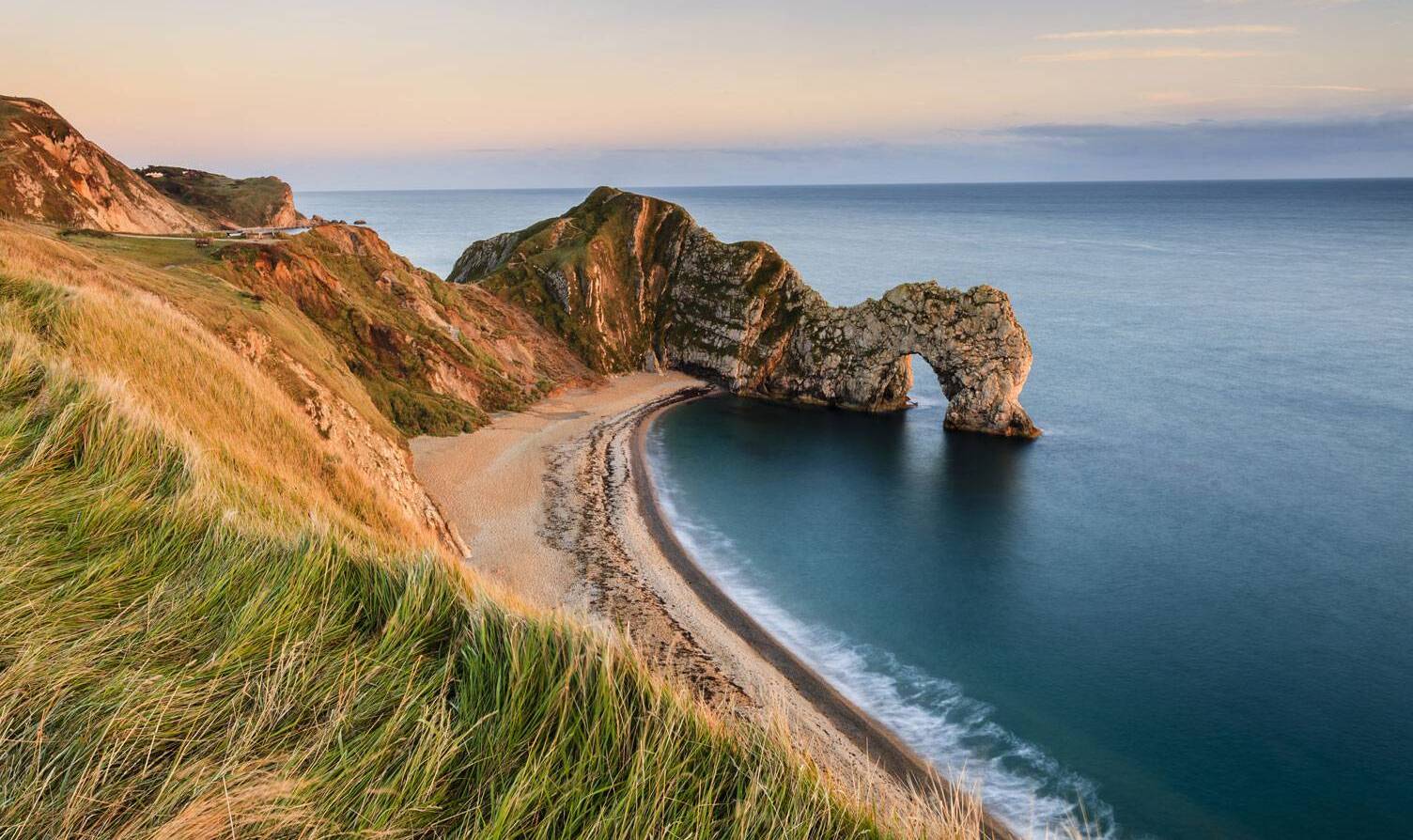

The Jurassic Coast is more than just a picturesque stretch of southern England; it is a living testament to Earth's ancient past, showcasing over 185 million years of geological history. This UNESCO World Heritage Site runs approximately 95 miles from Bournemouth to Exmouth, providing an extraordinary glimpse into the prehistoric world that once thrived here.
History and Origins
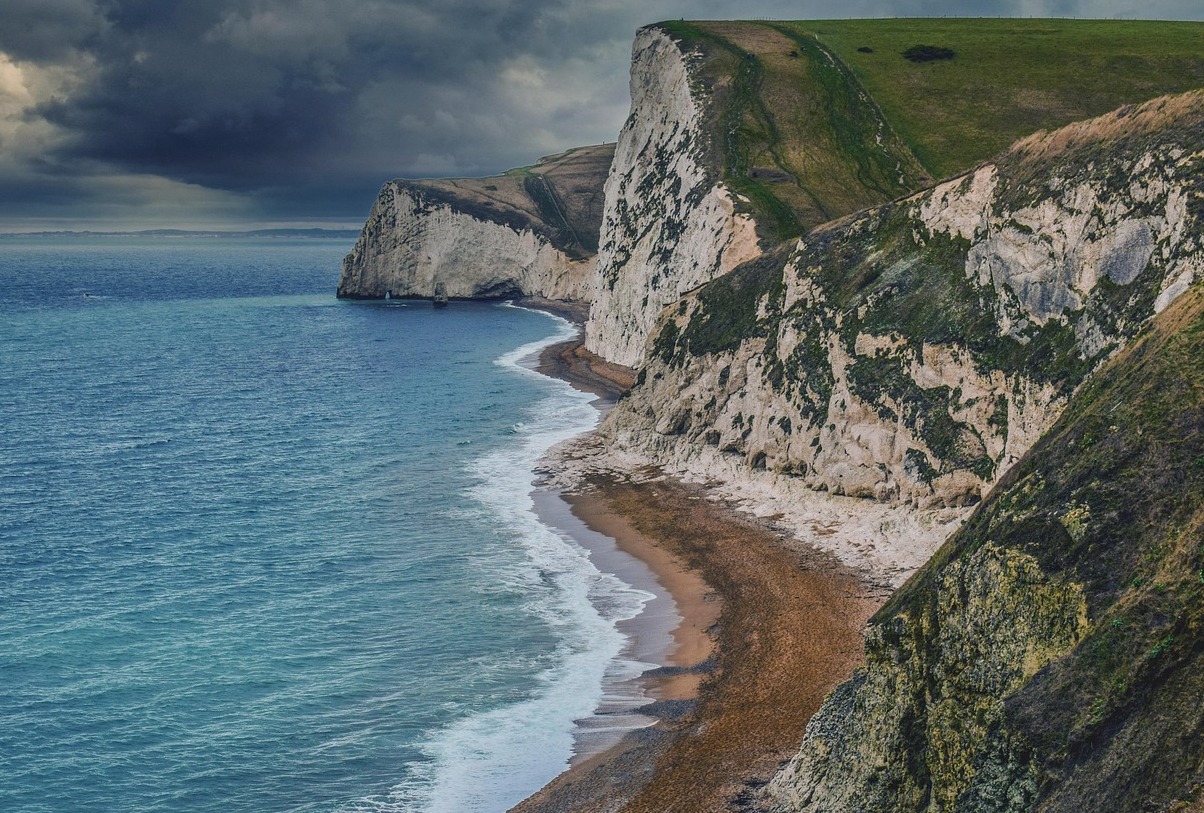
The formations found along the Jurassic Coast tell a story that begins in the late Triassic period, around 250 million years ago, when the land was a vast tropical sea. Over millennia, shifting tectonic plates caused dramatic geological changes, giving rise to the diverse rock layers that now contain fossils of ancient marine life. The Lyme Regis, a key town along the coast, played a pivotal role in the history of geology, thanks to Mary Anning, a pioneering paleontologist from the early 19th century. Anning's discoveries, including the first complete Ichthyosaurus skeleton in 1811, helped establish the field of paleontology and drew scientists and fossil enthusiasts from around the world.
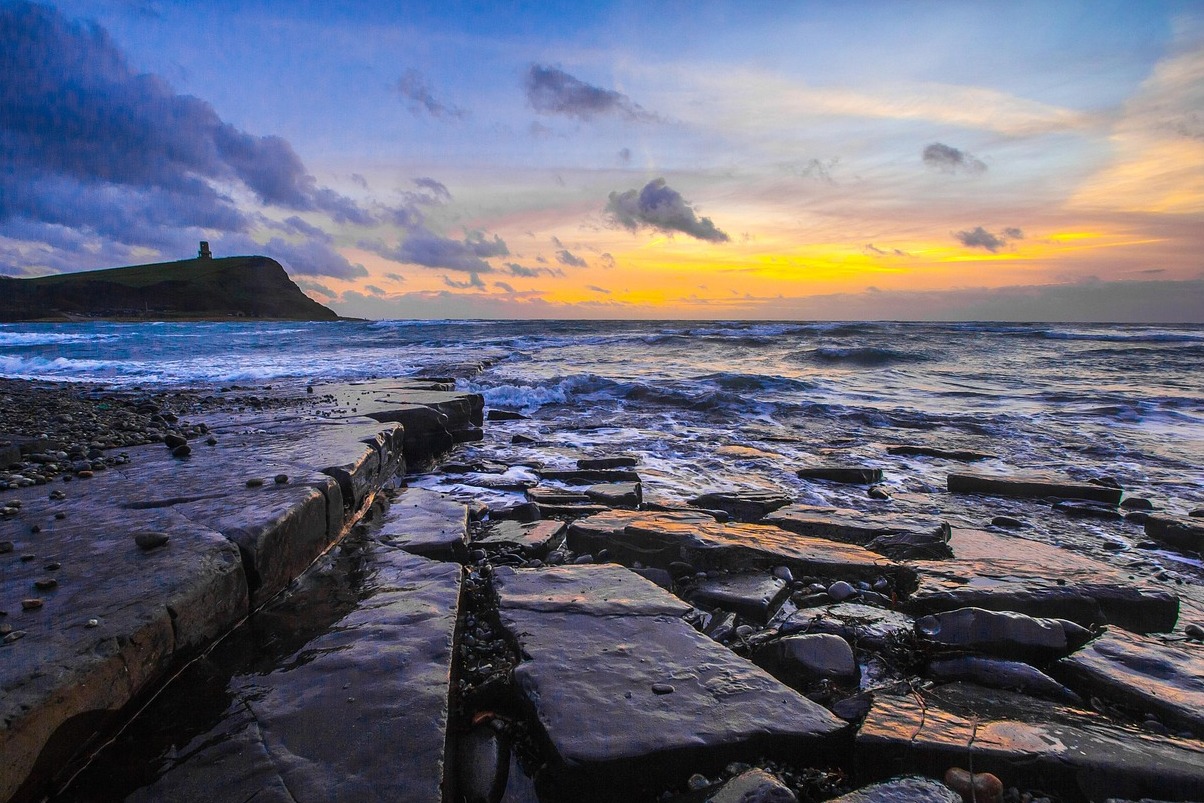
The area's historical significance is further enriched by its connection to the Dorset and Devon coastline, which has been shaped by human activity for thousands of years. From ancient burial mounds to the remnants of Roman settlements, the coastline offers a vivid narrative of human interaction with the land.
Art and Architecture
The artistic landscape of the Jurassic Coast is as varied as its geology. The area boasts charming seaside towns, such as Lyme Regis and Charmouth, where narrow streets are lined with quaint cottages and independent shops. Notable architectural styles include Georgian and Victorian influences, evident in the grand buildings and seaside villas that dot the coastline.
The coast has also inspired artists and writers, most famously the poet John Constable, whose works reflect the natural beauty of the region. The vivid landscapes have captured the attention of many, leading to a plethora of artworks that celebrate the area's dramatic cliffs and sweeping vistas.
Local Culture and Traditions
The culture of the Jurassic Coast is woven with rich traditions and customs. The annual Lyme Regis Fossil Festival, typically held in May, celebrates the town's geological heritage with a series of events, including fossil walks, workshops, and exhibitions. It attracts experts and families alike, fostering a sense of community around the region’s unique history.
In addition to festivals, local customs like the fishing traditions in Lulworth Cove and the production of Dorset Knob biscuits highlight the region's culinary heritage. The Dorset Knob is a hard, dry biscuit that has been around since the 19th century, often enjoyed with cheese or used in local recipes.
Gastronomy
The Jurassic Coast is not just a feast for the eyes; it is also a delight for the palate. Fresh seafood is a staple in the region, with local specialties including Dorset crab and lobster, often served in seaside restaurants overlooking the waves. The nearby River Frome is known for its delicious eels, which are a must-try for any gastronomy enthusiast.
In addition to seafood, the area is known for its rich agricultural produce. Local farms produce Dorset Blue Vinny, a blue cheese with a storied history dating back to the 18th century. Pairing this with a locally brewed Dorset ale can elevate your culinary experience along the coast.
Lesser-known Curiosities
While many visitors flock to the more famous fossil sites, there are hidden gems along the Jurassic Coast that often go unnoticed. For example, the Fossil Forest at Lulworth Cove is a remarkable site where fossilized tree stumps can be seen in situ, a rare glimpse into the ancient flora that existed here.
Another lesser-known fact is that the coast is home to the Durdle Door, an iconic limestone arch that has become one of the most photographed landmarks in England. However, fewer people know that it is part of a larger geological structure called the Portland Limestone Formation, which offers insights into the region’s complex geology.
Practical Visitor Information
The best time to visit the Jurassic Coast is during the spring and early autumn months when the weather is mild, and the crowds are fewer. The South West Coast Path offers an excellent way to explore the coastline, with well-marked trails that provide stunning views and access to hidden coves.
When visiting, it’s crucial to remain cautious near the cliffs, as landslides are common. Always check local advisories and stay on designated paths. For fossil hunting, Charmouth is highly recommended, especially during low tide when more fossils are exposed.
To make the most of your visit, consider using the Secret World app to create a personalized itinerary that highlights the unique experiences waiting for you along this magnificent stretch of coastline.


