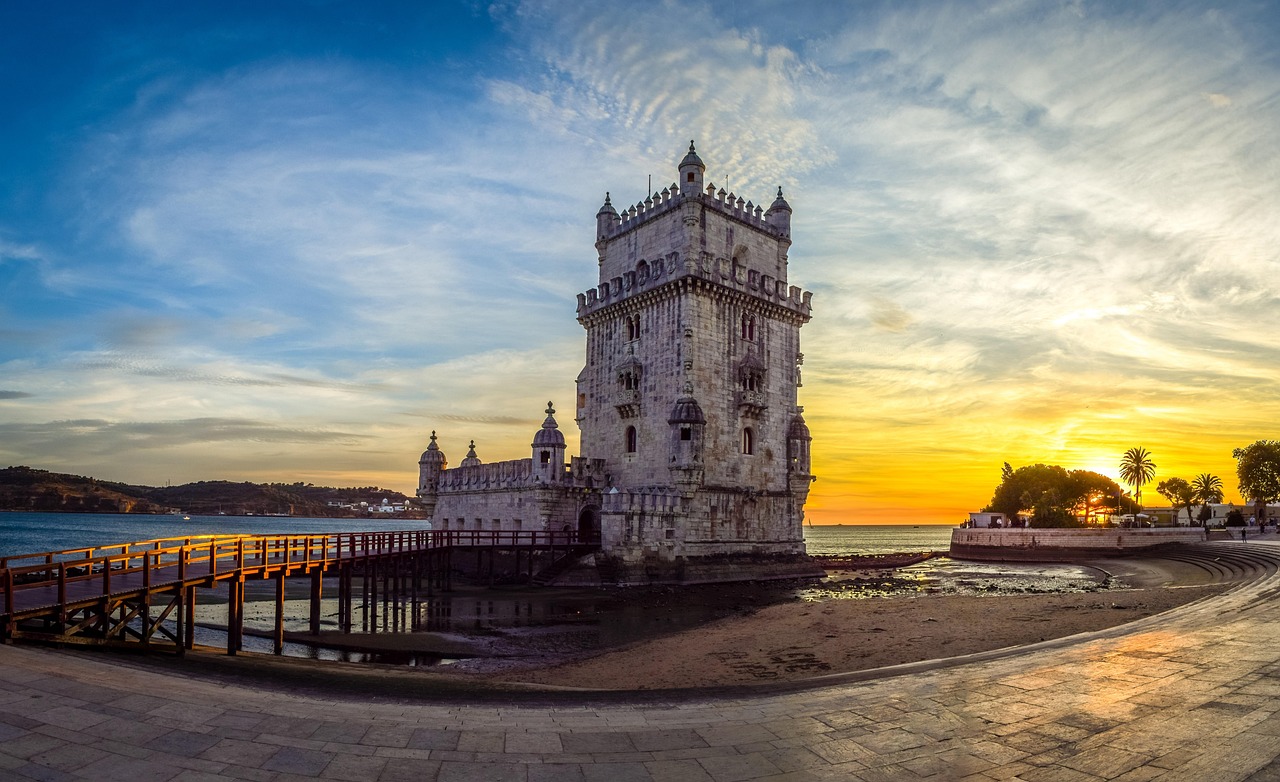
Nestled in the charming district of Belém, the Jeronimos Monastery stands as a testament to Portugal's rich maritime history and architectural grandeur. A UNESCO World Heritage Site since 1983, it is not merely a stunning structure but a symbol of the nation's Age of Discoveries, reflecting the spirit of exploration that characterized the 15th and 16th centuries.
### History and Origins
The origins of the Jeronimos Monastery trace back to the late 15th century when King Manuel I commissioned its construction to honor the successful voyage of Vasco da Gama to India in 1498. The monastery was established in 1501 to house the monks of the Hieronymite Order, whose primary role was to provide spiritual support to sailors embarking on perilous journeys. The monks also offered guidance and prayers for the explorers, believing that divine intervention was crucial for their success.
Construction of the monastery took nearly a century, concluding in 1601. The site itself was a former hermitage where the monks had resided, and it was chosen for its proximity to the river Tagus, where ships would depart for distant lands. Throughout its history, Jeronimos has witnessed significant events, including the funeral of Vasco da Gama in 1524, where he was laid to rest within its hallowed walls, further solidifying its connection to Portugal’s maritime legacy.
### Art and Architecture
The architectural style of the Jeronimos Monastery is a stunning example of Manueline architecture, a uniquely Portuguese style characterized by intricate decorative elements inspired by maritime themes. The façade is adorned with elaborate carvings of ropes, shells, and other nautical motifs. Visitors are often captivated by the grand entrance, which features a stunning portal flanked by statues of prominent figures, including the Virgin Mary and St. Jerome.
Inside, the monastery boasts a breathtaking cloister that is a masterpiece of intricate arches and columns. The refectory and the church of Santa Maria are equally impressive, with their high vaulted ceilings and beautifully crafted altars. The monastery is not just a visual feast; it also houses remarkable artworks, including paintings and sculptures depicting religious themes and historical figures, which further enhance its artistic significance.
### Local Culture and Traditions
The area surrounding the Jeronimos Monastery is steeped in cultural significance. The Belém district is known for its rich history and traditions. Local customs often revolve around maritime festivals, celebrating Portugal's seafaring past. One such event is the Festa de São Pedro, held in June, where locals honor Saint Peter, the patron saint of fishermen, with vibrant processions and communal feasts.
Visitors can also experience traditional Fado music, a soulful genre that reflects the melancholic spirit of Portuguese culture. In Belém, it is common to find Fado performances in nearby restaurants, where the haunting melodies resonate with the tales of explorers and the sea.
### Gastronomy
No visit to the Jeronimos Monastery would be complete without indulging in the famous Pastéis de Nata. These delectable custard tarts were originally created by the monks at the monastery in the 18th century, using a secret recipe that remains closely guarded. Today, the Pastéis de Belém bakery, located just a stone's throw away from the monastery, serves these iconic treats to eager visitors. The crispy pastry shell filled with creamy custard is a culinary delight that reflects the sweet legacy of the monks.
In addition to sweet treats, the local gastronomy features an array of seafood dishes, such as bacalhau à Brás (shredded cod with potatoes and eggs) and caldeirada (a traditional fish stew), which pay homage to Portugal's enduring connection to the sea.
### Lesser-Known Curiosities
Many tourists may not be aware that the Jeronimos Monastery has a fascinating connection to the Portuguese Discoveries era. The legendary explorer Ferdinand Magellan, who led the first expedition to circumnavigate the globe, is believed to have visited the monastery for blessings before his voyages. Furthermore, the monastery has served various purposes over the centuries, including as a military barracks and a residence for the Portuguese royal family.
Another intriguing fact is that the monastery's intricate carvings and designs draw inspiration from the natural world, with motifs that reflect the flora and fauna of the time, making it a treasure trove for those interested in botany and history alike.
### Practical Visitor Information
The best time to visit the Jeronimos Monastery is during the spring and fall months when the weather is mild, and the crowds are thinner. Arriving early in the morning allows visitors to explore the site without the hustle and bustle of peak tourist hours.
When visiting, be sure to explore the cloisters with their serene gardens, which provide a peaceful escape from the busy city. Don’t forget to leave time for the Museum of the Monastery, which offers a deeper insight into its history and significance.
For an immersive experience, consider joining a guided tour that can provide detailed narratives about the monastery's past and architectural wonders.
As you explore the enchanting streets of Lisbon, don’t forget to plan your visit to Jeronimos Monastery with the Secret World app for a personalized itinerary.
