
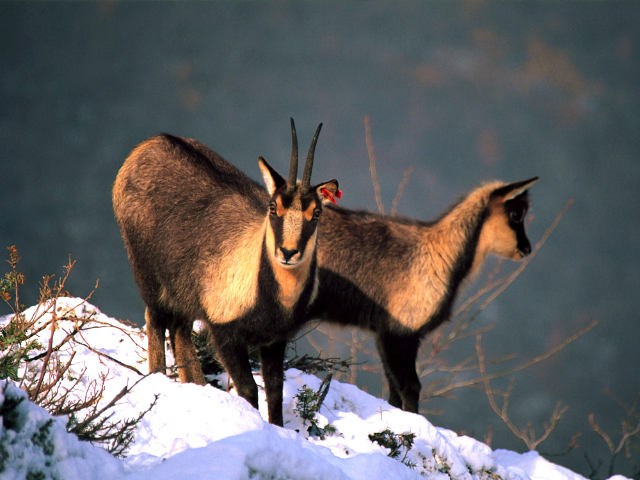

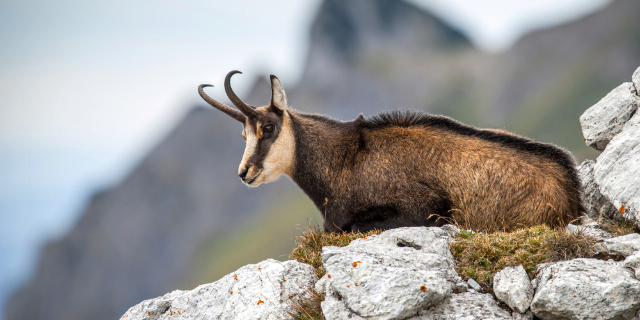
Perched high in the heart of the Majella National Park, an extraordinary conservation effort is taking place. Inaugurated in 1990, the Faunistic Area dedicated to the Apennine Chamois stands as a symbol of hope and recovery for a species that once roamed these mountains but had vanished in the early 20th century. Thanks to careful reintroduction programs, the Apennine Chamois (Rupicapra pyrenaica ornata) has made a remarkable comeback, and today this area serves multiple purposes, including education, science, and conservation.
Educational and Scientific Significance
One of the key goals of this faunistic area is to offer an educational experience for all visitors. Here, nature enthusiasts and curious onlookers alike can witness the beauty of the Apennine Chamois up close. More than just a visual treat, the area provides valuable insight into the biology and ecology of this unique species. As you watch these animals gracefully move through their natural habitat, you'll gain a deeper understanding of their role in the ecosystem and the importance of their preservation.
The scientific value of the Faunistic Area cannot be overstated. It serves as a living laboratory, enabling studies in fields such as ethology, physiology, and veterinary science—areas of research that are often challenging to conduct in the wild. The animals here offer researchers a rare opportunity to observe behaviors, health, and physiological traits that contribute to a better understanding of the species as a whole.
Conservation and Reintroduction Efforts
Perhaps the most important aspect of this initiative is its role in conservation. The Faunistic Area acts as a genetic reservoir, a sort of “living bank,” from which animals can be bred in captivity for eventual release into the wild. These efforts have been essential in the reintroduction of the Apennine Chamois to the Majella, contributing significantly to the growth of its population.
Once extinct in this region, the Apennine Chamois now thrives once more, thanks in large part to animals bred in this very area. The population has grown to over 700 individuals, with numbers continuing to rise each year. This success story is a testament to the importance of coordinated conservation efforts.
The Faunistic Area: A Haven for the Chamois
Located in the Convento area, the Faunistic Area spans roughly five hectares and is divided into five enclosures that replicate various natural environments. Visitors can explore areas that include rocky walls, woodlands, and clearings, mimicking the landscapes where the Apennine Chamois naturally thrives. The rugged terrain, with its steep slopes and rocky outcrops, not only offers these animals a comfortable habitat but also provides visitors with a unique opportunity to observe them in an environment that closely mirrors the wild.
Currently, the Faunistic Area is home to a small but stable population of ten chamois. A veterinary center has also been established nearby, ensuring the well-being of the animals and supporting ongoing research and conservation efforts. Guided tours are available by appointment through the Visitor Center in Lama dei Peligni, providing an enriching experience for those interested in learning more about this remarkable species.
A Coordinated Conservation Effort
The Majella National Park plays a leading role in the LIFE COORNATA project, an ambitious conservation program that focuses on the protection of the Apennine Chamois. For the first time, this initiative brings together all the protected areas where the chamois lives, fostering a coordinated effort to ensure its survival and growth. This collaboration has proven crucial in preserving not only the species but also the delicate ecosystems they inhabit.
A Bright Future for the Apennine Chamois
The Apennine Chamois is more than just a symbol of the Majella's rugged beauty; it represents the triumph of dedicated conservation efforts and the resilience of nature. As its population continues to grow, the chamois once again graces the slopes of the Majella, where it belongs. Visitors to the park now have the opportunity to witness this extraordinary animal in its natural habitat, while also contributing to its preservation for future generations.


