


Nestled in the heart of Vienna, the Maltese Church stands as a testament to centuries of history, art, and culture, woven seamlessly into the city’s rich tapestry. This Roman Catholic Gothic church, associated with the Knights Hospitaller, invites visitors to explore its storied past and vibrant present.
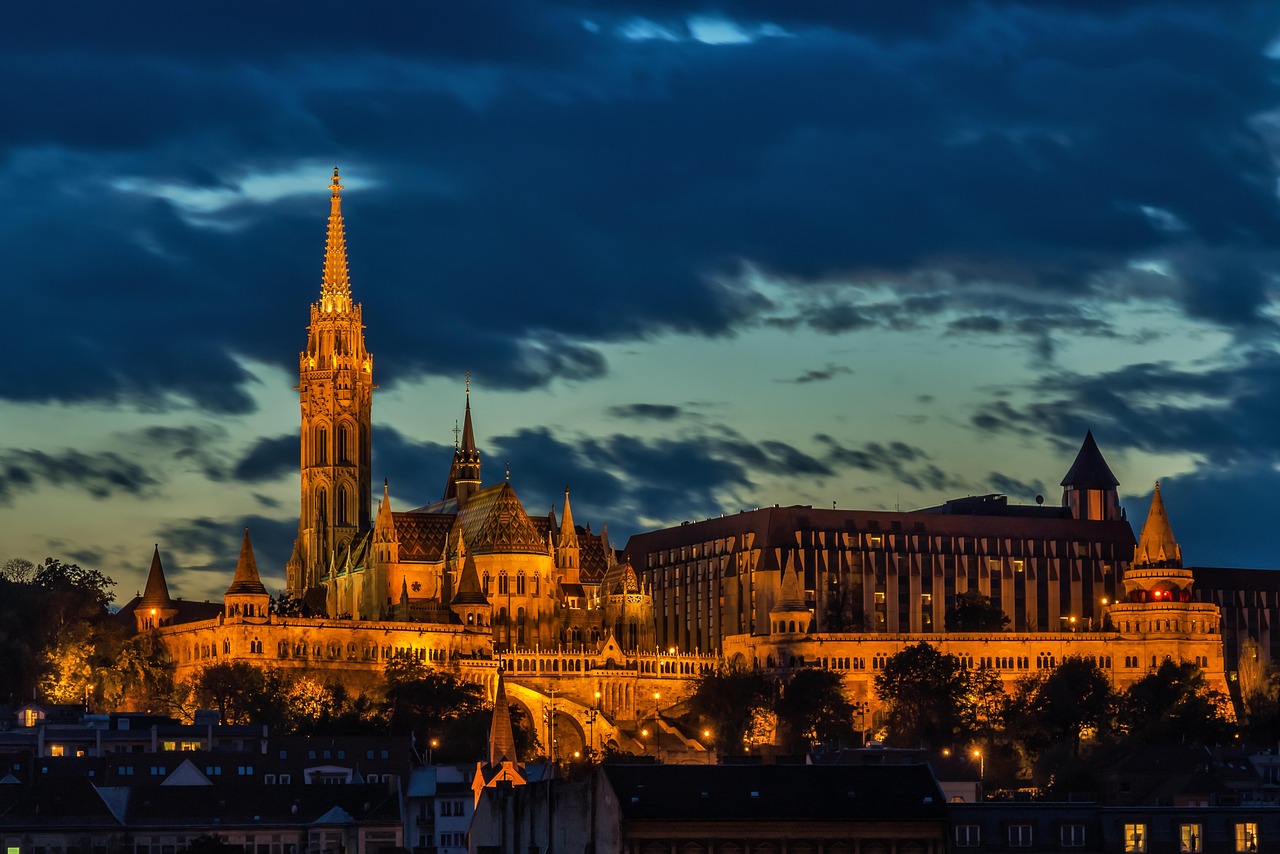
The origins of the Maltese Church date back to 1217, when it first appeared in historical records as a commandry dedicated to supporting crusaders. This early church served a vital role in caring for those returning from the Holy Land, embodying the spirit of hospitality that the Knights were known for. By the mid-15th century, the current structure began to take shape, reflecting the Gothic architectural style that flourished in Europe during that period. Over the years, the church underwent significant changes, especially during the Baroque era, when it was remodeled to better fit contemporary tastes.
One of the pivotal figures in the church's history was Abraham a Sancta Clara, a renowned preacher of the 17th century. His sermons drew crowds and established the church as a favored location for spiritual guidance. The church's art and architecture tell a story of evolution and renewal, with the high altarpiece painted in 1730 by Johann Georg Schmidt being a particularly notable feature. The altarpiece captures the essence of Baroque artistry, showcasing intricate details and vivid colors that draw the eye and invite contemplation.

The church’s architectural significance extends beyond its stunning facade. The Gothic and Baroque elements harmoniously blend, with soaring arches and ornate decorations that reflect the transitions in style over the centuries. The Kommendenhaus, constructed in 1839, and subsequent stained glass additions in 1857 add to the church’s charm, enhancing the play of light within its sacred space. This melding of styles serves as a visual narrative of Vienna’s rich ecclesiastical heritage.
Culturally, the Maltese Church plays a vital role in the local community. It hosts various religious and cultural events throughout the year, fostering a sense of connection among residents and visitors alike. One notable event is the Feast of the Assumption, celebrated in mid-August, which attracts both locals and pilgrims. This festival, steeped in tradition, features processions, music, and communal feasting, showcasing the enduring spirit of the community.
Speaking of feasting, Vienna’s culinary scene is as rich as its history. While visiting the Maltese Church, one might indulge in local delicacies such as Wiener Schnitzel or Sachertorte. These iconic dishes reflect the city’s heritage, melding flavors and traditions from various cultural influences. Nearby cafes often serve these dishes alongside a cup of Viennese coffee, inviting guests to relax and soak in the atmosphere.
For those who venture beyond the main attractions, lesser-known curiosities about the Maltese Church await discovery. One intriguing detail is the church's connection to the Order of St. John, which faced significant financial challenges after the First World War. In 1933, the church was sold, and its future seemed uncertain. However, it was repurchased in 1960 and underwent a series of restorations, culminating in a comprehensive renovation completed in 1998. This resilience mirrors the spirit of Vienna itself, a city that has weathered countless storms yet remains vibrant and welcoming.
When planning your visit to the Maltese Church, consider the best times to experience its beauty. Early morning or late afternoon visits often yield a quieter atmosphere, perfect for reflection and exploration. The church is typically open to the public, and guided tours provide deeper insight into its history and significance. Be sure to look for the intricate details of the stained glass windows, which tell stories of faith and service through their vibrant colors.
As you wander through the hallowed halls of the Maltese Church, take a moment to appreciate the layers of history and culture that envelop this sacred space. Each corner whispers tales of the past, while the vibrant community around it breathes life into the present.
For a truly personalized experience in Wien, consider using the Secret World app to plan your itinerary.


