
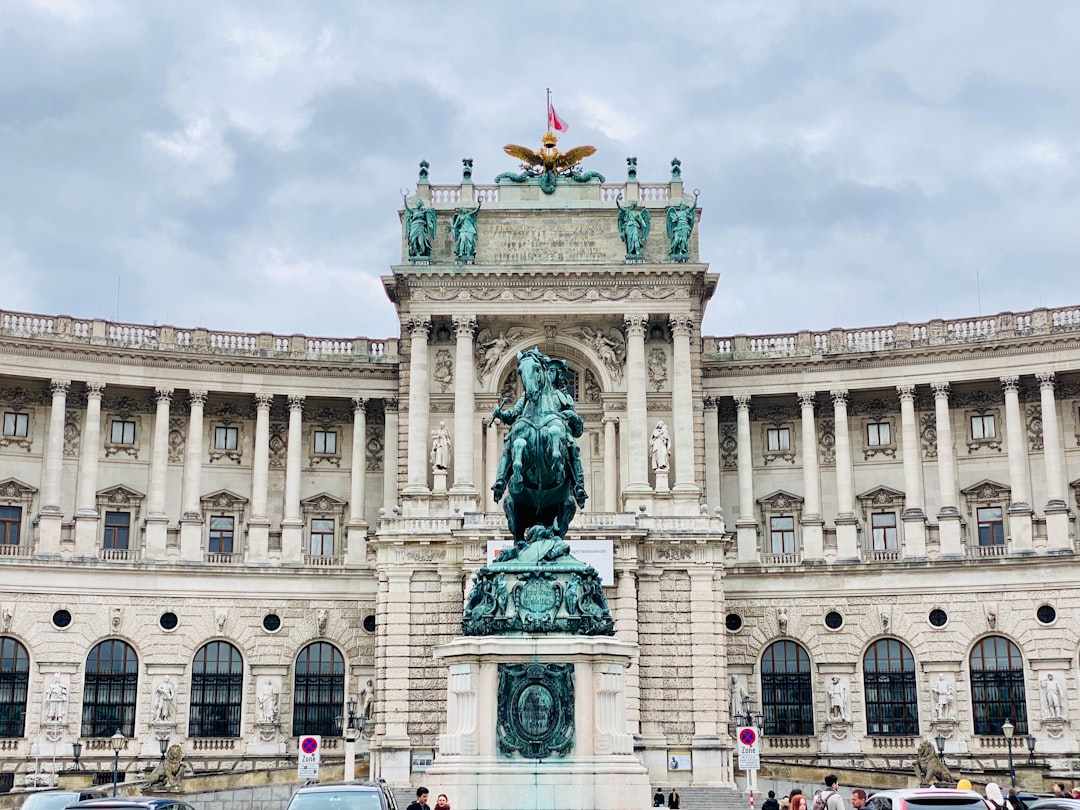

In the vibrant heart of Vienna, Hofburg Palace stands as an undisputed symbol of Austrian imperial history. This majestic residence, once the seat of the Habsburg dynasty, is a place where the past intertwines with the present, offering visitors a unique experience that tells centuries of culture and art. Vienna, the capital of Austria, is known for its high quality of life and vibrant musical scene, and Hofburg Palace perfectly represents the essence of this extraordinary city.

The Palace is an architectural complex that reflects various historical eras, from Gothic to Baroque, and offers a fascinating journey through time. Its imposing facade and lavish interiors are a testament to the power and grandeur of the Habsburgs, who ruled over much of Europe for centuries. Today, the Palace is not only a tourist attraction but also a cultural center that hosts important events and exhibitions.
History and Origins
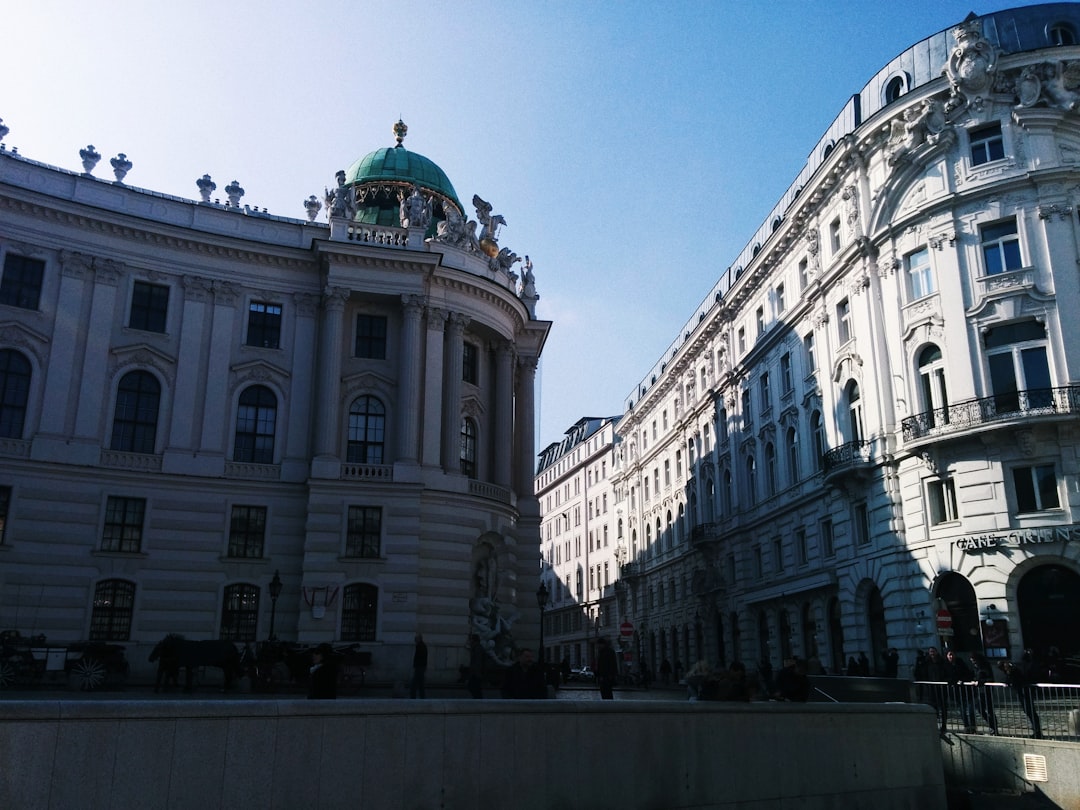
The origins of Hofburg Palace date back to the 13th century when it was built as a fortress to defend the city. Over the centuries, the Palace underwent numerous expansions and renovations, transforming into an imperial residence of extraordinary beauty. Each emperor left their mark, making the Palace a mosaic of architectural styles that narrate the history of the Austrian monarchy.
In the 16th century, the Palace became the official residence of the Habsburgs, and from that moment, it began to take on the appearance we admire today. The construction of new wings and the addition of beautiful gardens contributed to making it one of the most fascinating complexes in Europe. Every corner of the Palace, from the representative halls to the private rooms, is steeped in history, making each visit an educational and engaging experience.
Elements to Observe
Inside Hofburg Palace, visitors can explore a series of museums and collections, including the Sisi Museum, dedicated to the life of Empress Elisabeth, and the Imperial Silver Collection. Each room is decorated with extraordinary works of art, tapestries, and period furniture that tell the story of court life and the luxury that characterized the lives of the Habsburgs.
Another must-see element is the Chapel of St. Anthony, where religious celebrations still take place today. Its architecture and ornaments are a sublime example of Baroque taste, creating an atmosphere of sacredness and beauty that captivates every visitor. Don't forget to stroll through the Palace gardens, an oasis of tranquility in the heart of the city, where you can admire the beauty of the flowers and fountains, reflecting on the historical significance of this place.
Why It Is Interesting Today
Today, Hofburg Palace is much more than just a historical monument; it is a vibrant cultural center that hosts events, concerts, and international exhibitions. Its central location makes it an ideal starting point for exploring Vienna, allowing visitors to immerse themselves in contemporary Austrian culture while enjoying the wonders of the past.
Moreover, the Palace is a symbol of unity and diversity, representing Austria's rich cultural heritage. Its continuous evolution and adaptation to modern needs make it a meeting place for people of all ages and nationalities, creating a bridge between the past and the future. Every year, thousands of tourists flock to its halls, helping to keep alive the history and legacy of the Habsburgs.
Practical Information for Visitors
To visit Hofburg Palace, it is advisable to book tickets in advance, especially during the peak tourist season. Opening hours may vary, so it is helpful to check the official website before planning your visit. Once inside, there is a wide range of guided tour options that offer insights into the history and architecture of the Palace.
Finally, Hofburg Palace is easily accessible by public transport, making its visit accessible to everyone. Don't forget to download the Secret World app to discover more details and curiosities about this extraordinary historical site while immersing yourself in the beauty of Vienna.


