
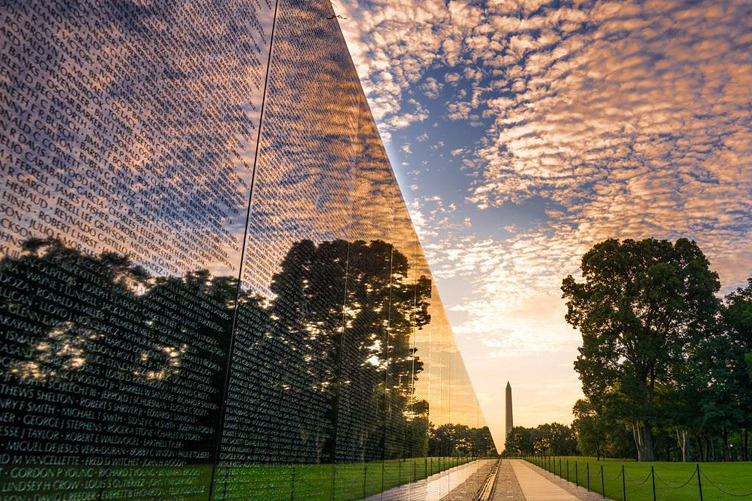

Nestled within the solemn landscapes of Washington, D.C., the Memorial to the Veterans of the Vietnam War stands as a poignant tribute to the sacrifices made by American military personnel during one of the most controversial conflicts in American history. Dedicated on November 11, 1982, this memorial is composed of three distinct yet interconnected components: the Vietnam Veterans Memorial Wall, the Three Soldiers statue, and the Women’s Memorial. Each part serves a unique purpose, weaving a narrative of loss, bravery, and the often-overlooked contributions of women in wartime.
History and Origins The Vietnam War, which spanned from 1955 to 1975, left an indelible mark on American society. It was a conflict that not only shaped U.S. foreign policy but also ignited a profound anti-war movement within the country. The struggle to honor those who served culminated in the creation of the Vietnam Veterans Memorial, a project initiated by a group of veterans and supported by a public fundraising campaign. Designed by Maya Lin, a graduate student at Yale, the Wall is a stark, black granite structure that lists the names of over 58,000 fallen soldiers, arranged chronologically by the date of their death. The design aimed to evoke contemplation and emotional connection, allowing visitors to reflect on the profound loss experienced during the war.
Art and Architecture The architectural style of the Vietnam Veterans Memorial is minimalist yet profoundly impactful. The Wall descends into the earth, symbolizing a deep connection with those who have fallen. Visitors often leave personal mementos at the site, creating an evolving tapestry of remembrance. Nearby, the Three Soldiers sculpture, created by Fredrick Hart, complements the Wall with its realistic depiction of three soldiers in combat gear, capturing the raw emotion of the era. The Women’s Memorial, designed by Glenna Goodacre and dedicated in 1993, portrays three nurses attending to a wounded soldier, a powerful representation of the crucial role women played during the conflict.
Local Culture and Traditions The Vietnam Veterans Memorial is not just a site of mourning; it’s a place of gathering and reflection that fosters community healing. Each year, on Veterans Day and Memorial Day, ceremonies are held to honor those who served. These events often feature veterans sharing their stories, reflecting the broader cultural importance of remembering history and the collective grief associated with the Vietnam War. Such gatherings reinforce the resilience of the veterans' community and encourage younger generations to engage with this significant chapter of American history.
Gastronomy While the memorial itself does not offer food options, the surrounding area of Washington, D.C. is rich with culinary delights that reflect the city’s diverse culture. Visitors can indulge in Maryland crab cakes, a local favorite, or sample Vietnamese pho—a nod to the culture associated with the war. Food trucks and nearby restaurants offer a variety of flavors, making it easy to find a meal that suits your palate. Be sure to try a classic D.C. half-smoke, a sausage that’s a beloved part of the local gastronomic landscape.
Lesser-Known Curiosities One fascinating aspect of the Vietnam Veterans Memorial is the reflective quality of the Wall, which allows visitors to see their own reflection alongside the engraved names of the fallen. This unique design element encourages a personal connection to the memorial. Additionally, the memorial’s location near the Lincoln Memorial and Korean War Veterans Memorial creates a poignant narrative of American conflict and resolution, inviting visitors to consider the broader context of sacrifice and honor in U.S. military history. Many visitors are often unaware that the Wall’s design was met with controversy and criticism upon its unveiling, yet it has since become one of the most visited and revered landmarks in the nation.
Practical Visitor Information The best time to visit the Vietnam Veterans Memorial is during the spring and fall months when the weather is mild, allowing for a comfortable experience as you walk the grounds. Early mornings or late afternoons are ideal for avoiding crowds, creating a more intimate atmosphere for reflection. Visitors should take a moment to locate the Directory Kiosk, which can help locate specific names on the Wall. It’s also helpful to bring a notebook or paper to create rubbings of the names, a practice many find meaningful as a way to honor loved ones.
In conclusion, the Memorial to the Veterans of the Vietnam War is a profound testament to sacrifice and remembrance, intricately woven into the fabric of American history. Its powerful design, rich narratives, and cultural significance make it a must-visit destination for anyone seeking to understand the complexities of war and its impact on society. To enhance your experience in Washington, D.C., consider using the Secret World app to create a personalized itinerary that will guide you through this historic city.


