
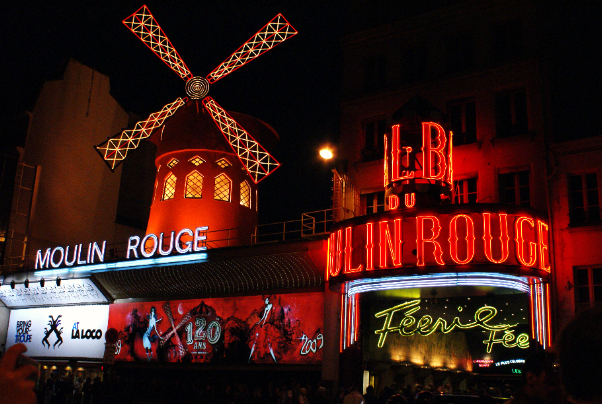

In the heart of Paris, where the shadows of Montmartre’s bohemian past linger, sits the iconic Moulin Rouge, a cabaret that has been the symbol of Parisian nightlife since 1889. With its signature red windmill and flamboyant facade, it beckons visitors into a world of dazzling performances and rich history, capturing the essence of the Belle Époque.
The Moulin Rouge was founded by Joseph Oller and Charles Zidler with the vision of creating a palace for dance and women, a place where high society and the working class could mingle amidst the opulent backdrop of a cabaret. This revolutionary concept coincided with the World's Fair and the completion of the Eiffel Tower, marking a period of prosperity and cultural flourishing in France. The venue quickly gained fame, thanks in part to the scandalous can-can dance, which broke with tradition and captivated audiences with its high kicks and ruffled skirts.
The architecture of the Moulin Rouge is as much a performance as the shows it hosts. The building’s exterior is dominated by the large red windmill, a nod to the rural windmills that once dotted Montmartre’s landscape. Inside, the theater is a masterpiece of Belle Époque design, with rich red velvet, intricate mosaics, and twinkling chandeliers that reflect the luxury and exuberance of the era. The venue has been immortalized in numerous artworks, most famously in the paintings of Henri de Toulouse-Lautrec, whose depictions of its dancers and patrons captured the vibrant and sometimes decadent spirit of the time.
Embedded in the local culture, the Moulin Rouge is more than just a tourist attraction; it is a cultural institution that reflects the joie de vivre of Paris. It has been a stage for legends such as Edith Piaf and Frank Sinatra and continues to host the dazzling Féerie show, which combines music, dance, and stunning costumes. The cabaret is also celebrated during the annual Montmartre Grape Harvest Festival, where locals and tourists alike can enjoy the conviviality and artistic heritage of the area.
The gastronomy associated with an evening at the Moulin Rouge is a feast for the senses, perfectly complementing the visual spectacle. Visitors can indulge in a dinner show that features classic French cuisine with a modern twist. Dishes often include favorites like foie gras, roasted duck, and delectable desserts such as crème brûlée. Accompanying the meal is a selection of fine wines and champagne, an essential element of any Parisian celebration.
For those seeking the lesser-known stories of the Moulin Rouge, there are plenty of hidden gems. Few realize that the venue once housed a giant elephant in its garden, a whimsical attraction where patrons could enjoy a drink. The elephant was a remnant of the 1889 World’s Fair and added to the allure of this fantastical space. Additionally, the Moulin Rouge has survived two fires, one in 1915 and another in 1953, each time rising from the ashes to continue its legacy.
When planning a visit to the Moulin Rouge, timing is key. The best time to experience its magic is during the evening shows, when the lights of Paris are dimmed, and the cabaret comes alive with music and dance. It’s advisable to book tickets in advance, as performances are often sold out. Dress code is smart casual, and while not overly formal, dressing up adds to the glamour of the night.
As you take your seat, look closely at the details—the plush seats, the grand stage, and the sense of history that permeates every corner. The Moulin Rouge is not just a place; it is an experience that transports you to a bygone era of enchantment and elegance. It stands as a testament to Paris’s enduring spirit of creativity and celebration, inviting all who enter to be a part of its storied journey.


