
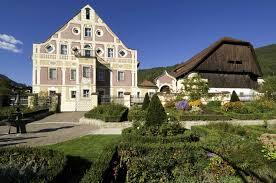

Nestled in the breathtaking landscapes of the South Tyrol region, the Museum of Customs and Traditions in Teodone is a treasure trove that offers visitors a glimpse into the agrarian life of bygone centuries. This open-air museum is often hailed as one of the most beautiful in Europe, covering an extensive area of three hectares and embodying the rich heritage of rural Italy.
History and Origins
The history of the Museum of Customs and Traditions is intertwined with the vibrant tapestry of Teodone, a small village located near Brunico. The museum officially opened its doors in 1981, but its roots date back to the late 1970s when local enthusiasts sought to preserve and showcase the region's cultural heritage. The Mair am Hof, the museum's centerpiece, was originally constructed in 1690 and serves as a remarkable representation of the lifestyle of rural nobility. This historic building was painstakingly reconstructed to reflect its original grandeur, allowing visitors to experience the essence of life as it was several centuries ago.
The museum is not just an exhibition of artifacts; it is a living narrative of the area's traditions, customs, and historical events. Over the years, it has become a key site for cultural preservation, showcasing the evolution of local life through various periods, including the impact of agricultural practices and the socio-economic changes that reshaped the region.
Art and Architecture
Architecturally, the museum is striking, with its well-preserved structures that exemplify traditional Tyrolean design. Visitors are greeted by stucco-decorated ceilings, intricately carved wooden beams, and the inviting charm of rustic interiors. The Mair am Hof features a wine cellar and a fully equipped kitchen, both of which are furnished with authentic utensils and appliances from centuries past.
The surrounding farmhouses, around 20 in total, have been relocated to the museum grounds and reconstructed to reflect their original layouts and furnishings. Each building tells a story through its architectural style, showcasing a blend of Baroque influences and the practical needs of rural life. Artworks within the museum, including traditional textiles and household items, further reflect the artistic significance of local craftsmanship.
Local Culture and Traditions
The cultural importance of the museum extends beyond mere history; it serves as a living repository of local customs and traditions. Throughout the year, Teodone celebrates various festivals that highlight its agricultural heritage, such as the Törggelen, a traditional event in the autumn where locals and visitors enjoy new wine alongside roasted chestnuts and local delicacies.
Traditional crafts are also preserved here, with demonstrations of woodworking, weaving, and the art of bread-making often held for visitors. Engaging with these practices allows for a deeper understanding of the region's cultural narrative, showcasing the skills that have been passed down through generations.
Gastronomy
A visit to Teodone would be incomplete without indulging in the local gastronomy. The region is known for its hearty, rustic cuisine that reflects its agricultural roots. Local specialties include Speck (cured ham), Knödel (dumplings), and Schlutzkrapfen (stuffed pasta), often served with a side of sauerkraut or seasonal vegetables.
The nearby vineyards produce exquisite wines, particularly Lagrein and Gewürztraminer, which pair beautifully with the traditional dishes. Sampling these local flavors is not just about the food; it’s about experiencing the region’s agricultural bounty and the traditions that surround it.
Lesser-known Curiosities
While many visitors flock to the main attractions, the museum holds several lesser-known gems. One such curiosity is the Herb Garden, where visitors can discover various medicinal plants used by locals in traditional remedies. Another hidden detail is the interactive exhibits that allow guests to experience historical farming techniques firsthand, providing a tangible connection to the past.
Additionally, the museum hosts seasonal events that often go unnoticed, such as traditional music performances and craft fairs, where visitors can engage with artisans and learn about their trades.
Practical Visitor Information
The best time to visit the Museum of Customs and Traditions is during the spring and early autumn months when the weather is mild and the landscapes are alive with color. To make the most of your visit, consider joining a guided tour, which often includes fascinating stories and insights into the exhibits.
Accessibility is a priority, as the ground floor is designed to accommodate visitors with mobility challenges. Plan your visit during weekdays to avoid crowds, allowing for a more intimate experience with the museum's treasures.
As you wander through the museum, take your time exploring each farmhouse and its unique narrative. Don’t forget to stop by the gift shop, where you can find traditional crafts and local products to take home as a reminder of your journey.
Discover the rich history and vibrant culture of Teodone and its Museum of Customs and Traditions—an experience that resonates long after you leave. For a personalized itinerary to make the most of your visit, consider using the Secret World app.


