
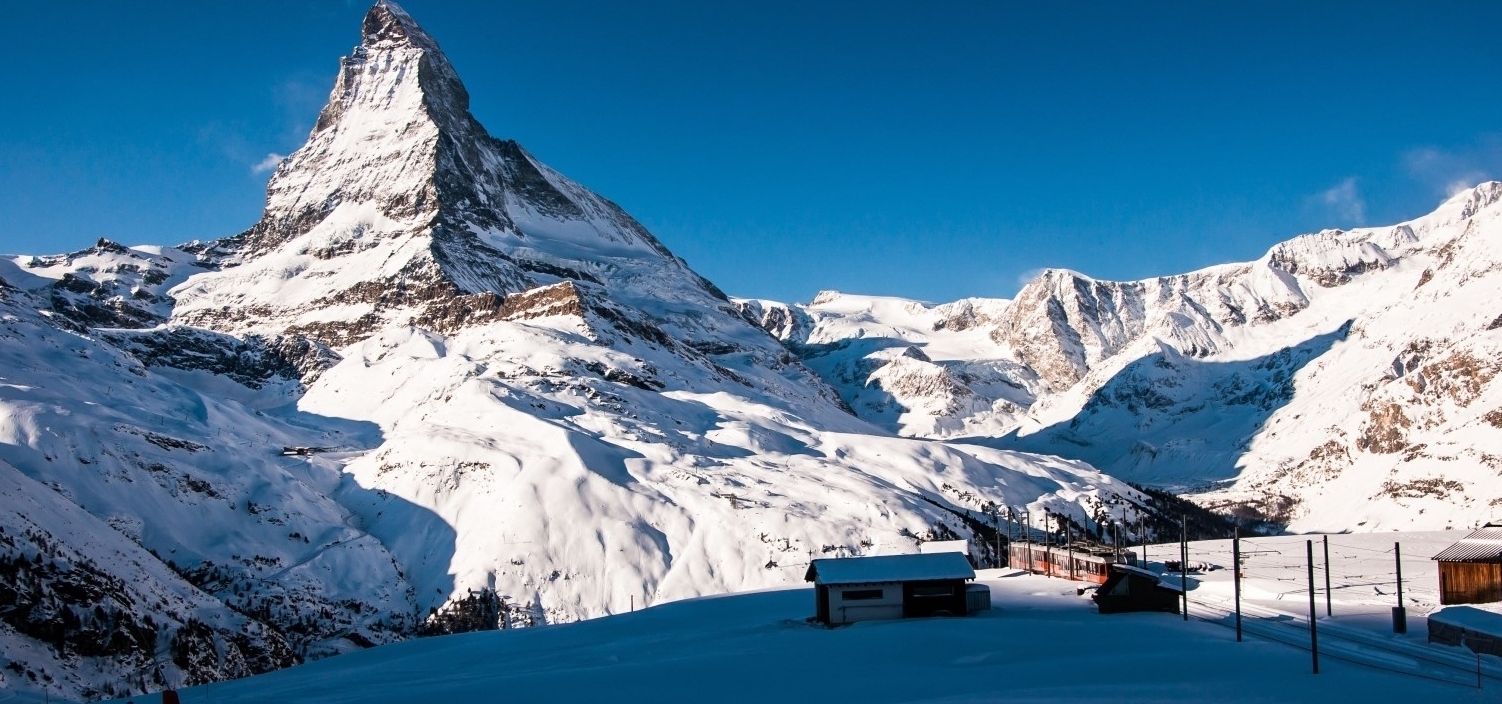

Perched at the lofty altitude of 3,480 meters, the Museum of Matterhorn Guides in Testa Grigia offers more than just a journey through mountaineering history—it invites visitors to step into a world of adventure, resilience, and human spirit. Located near the picturesque town of Breuil-Cervinia in Italy, this museum stands as a tribute to the legendary climbers who dared to conquer the imposing Matterhorn.
The origins of the museum are intrinsically linked to the history of the Matterhorn's first ascent. The mountain, known as Monte Cervino in Italian, was first climbed on July 14, 1865, a feat that ended in tragedy but also marked the dawn of modern mountaineering. The museum serves as a repository for stories from that epochal climb and the subsequent evolution of mountaineering in the region. Established in collaboration with the Matterhorn Mountain Guides Association, the museum's collections include artifacts, photographs, and personal accounts that chronicle the daring exploits of those who braved the mountain's treacherous slopes.
Architecturally, the museum is an elegant blend of traditional Alpine design and modern functionality. Its structure harmonizes with the rugged beauty of the surrounding peaks, using local stone and wood to create a space that feels both contemporary and timeless. Inside, the exhibition halls are thoughtfully designed to lead visitors through a narrative journey, with displays that capture the essence of mountaineering's evolution. Notable artworks include detailed topographic models and historical climbing gear, which not only serve an educational purpose but also stand as artistic tributes to human ingenuity.
The cultural tapestry of this region is rich and deeply intertwined with the mountain that looms above. The local community, known for their warmth and hospitality, celebrates a variety of traditional festivals that highlight their connection to the land and its history. One such event is the Festa del Cervino, a vibrant festival held every August that includes music, dancing, and a parade of guides in their traditional attire. This celebration is a testament to the enduring bond between the people and the mountain, a relationship steeped in both reverence and respect.
Gastronomy in Breuil-Cervinia is as hearty and robust as the landscape itself. Visitors should not miss the opportunity to sample local delicacies such as polenta concia, a rich dish of polenta laden with melted cheese and butter, perfect for fueling a day of exploration. Another must-try is fontina cheese, an Aosta Valley specialty known for its creamy texture and tangy flavor, often enjoyed with a glass of Valle d’Aosta red wine. These culinary offerings provide a taste of the region's agricultural heritage and artisanal skill.
While the museum’s primary draw is its mountaineering exhibits, there are lesser-known aspects that add layers to this cultural gem. Few visitors realize that hidden within its archives are personal journals and sketches from early climbers, offering intimate glimpses into the thoughts and strategies of those who first ventured into the unknown. Additionally, the museum hosts interactive workshops and lectures, providing insights into modern climbing techniques and environmental conservation efforts.
For those planning a visit, the best time to explore the museum is during the summer months when the weather is mild and the high-altitude location is more accessible. Visitors should prepare for cooler temperatures, even in summer, and be sure to wear comfortable walking shoes to navigate the museum’s terrain. It's advisable to check the museum’s schedule in advance, as it frequently hosts special exhibitions and events that can enhance the visitor experience.
In essence, the Museum of Matterhorn Guides is not just a destination for mountaineering enthusiasts but a beacon of cultural and historical significance. It captures the spirit of adventure that defines the human experience and offers a profound connection to one of the most iconic mountains in the world. Whether you're a seasoned climber or a curious traveler, a visit to this remarkable museum promises an enriching encounter with the past, present, and future of the Matterhorn.


