
Nestled in the heart of Aberdeen, the Music Hall stands as a beacon of the city's rich cultural tapestry, blending historical significance with modern vibrancy. This iconic venue is more than just a concert hall; it is a testament to Aberdeen's artistic evolution and a pivotal point in the city's cultural journey.
### History and Origins
The Music Hall's origins date back to 1822 when it was first conceived by the Aberdeen Musical Society. Architect Archibald Simpson, a prominent figure in Aberdeen's architectural development, was commissioned to design the hall, which opened its doors in 1823. Initially serving as a venue for music and social gatherings, it quickly became a cultural hub. A fascinating historical footnote is its role as Aberdeen's first cinema; in September 1896, it hosted screenings of 18 short films shortly after the Lumière brothers' pioneering presentation in Paris, marking a significant moment in cinematic history.
### Art and Architecture
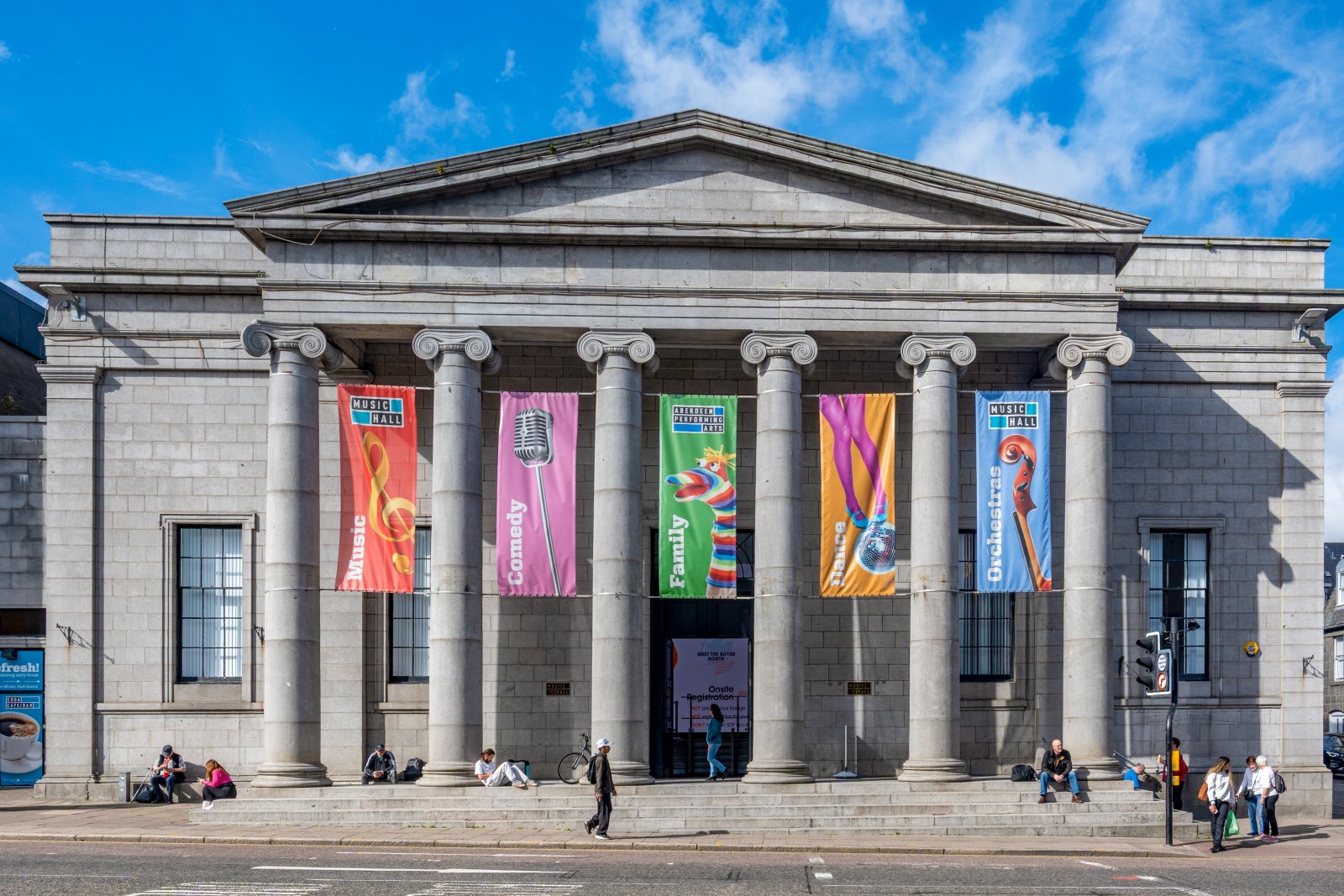
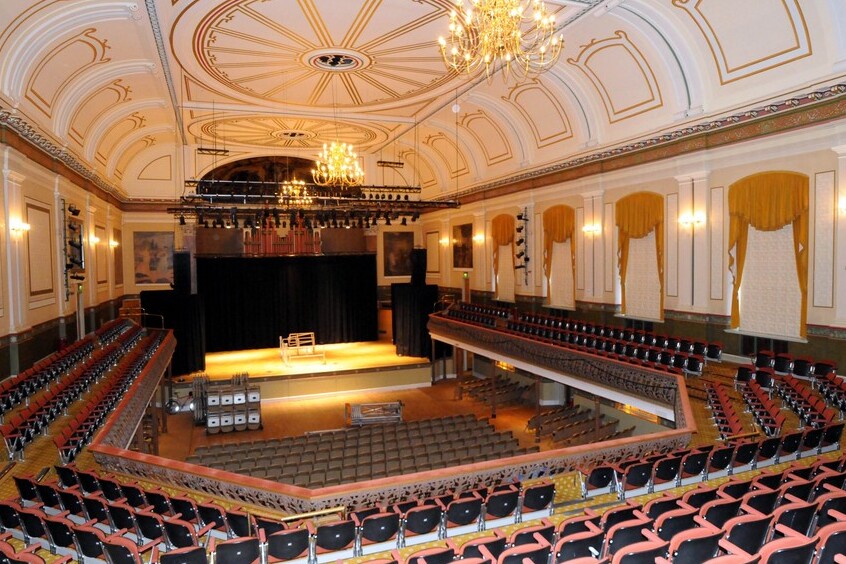
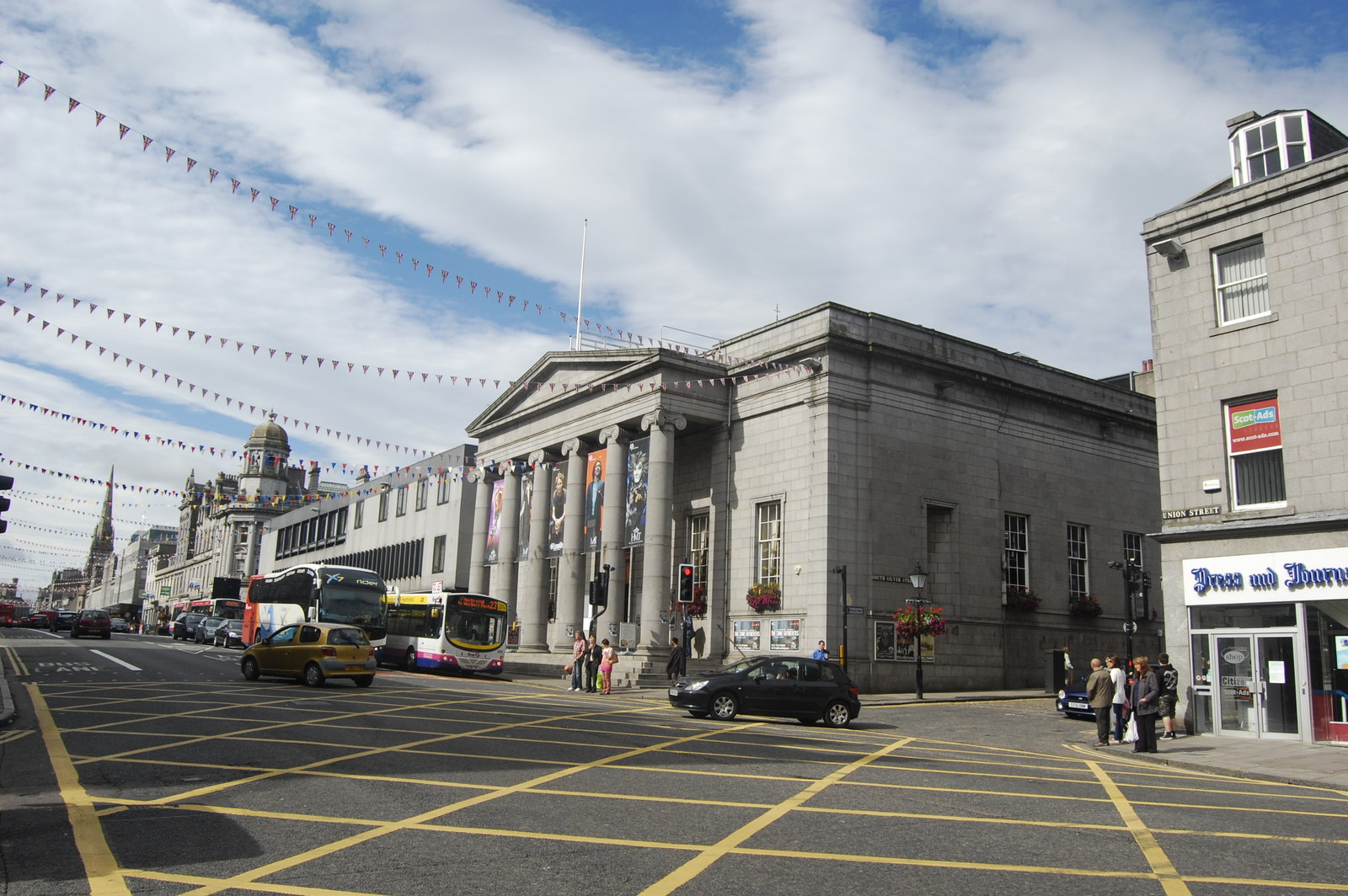
The Music Hall is a masterpiece of Georgian architecture, characterized by its classical façade and elegant interiors. Simpson's design showcases grand Corinthian columns and intricate plasters, embodying a timeless elegance that continues to captivate visitors. Inside, the hall features a magnificent auditorium with a stunning domed ceiling, offering exceptional acoustics that have welcomed countless legendary performers over the years. The venue's artistic significance is further highlighted by its gallery spaces, which host a rotating selection of exhibitions, celebrating both local and international artists.
### Local Culture and Traditions
Culturally, the Music Hall plays a crucial role in Aberdeen's annual events, such as the Aberdeen International Youth Festival and the Aberdeen Jazz Festival. These events draw performers and audiences from around the globe, fostering a vibrant cultural exchange. The hall also supports local traditions, including the celebration of Burns Night, where the works of Scottish poet Robert Burns are honoured with music, dance, and poetry.
### Gastronomy
Aberdeen is renowned for its culinary delights, and a visit to the Music Hall is incomplete without sampling the local fare. The city's proximity to the sea ensures fresh seafood is always on the menu, with delicacies such as smoked haddock and Aberdeen Angus beef being local favourites. Nearby eateries offer a taste of traditional Scottish dishes, like Cullen skink and haggis, providing a culinary journey that complements the cultural experience.
### Lesser-Known Curiosities
One of the lesser-known curiosities of the Music Hall is its role in the suffragette movement. In the early 20th century, it was a meeting place for activists advocating for women's rights, adding a layer of historical intrigue. Another fascinating aspect is the legend of the ghost light; a single bulb left on to ward off spirits, a tradition steeped in theatrical superstition and observed diligently by the staff.
### Practical Visitor Information
The best time to visit the Music Hall is during festival season, from late spring to early autumn, when the city is alive with cultural events. Visitors are advised to check event schedules in advance and consider booking tickets early for popular performances. While there, take a moment to admire the hall's architecture from the outside, especially in the evening when it is beautifully illuminated.
Whether you're a history buff, architecture enthusiast, or music lover, the Music Hall in Aberdeen offers a captivating experience that is not to be missed. For a personalized itinerary to explore Aberdeen's cultural landmarks, consider using the Secret World app for a unique and tailored adventure.