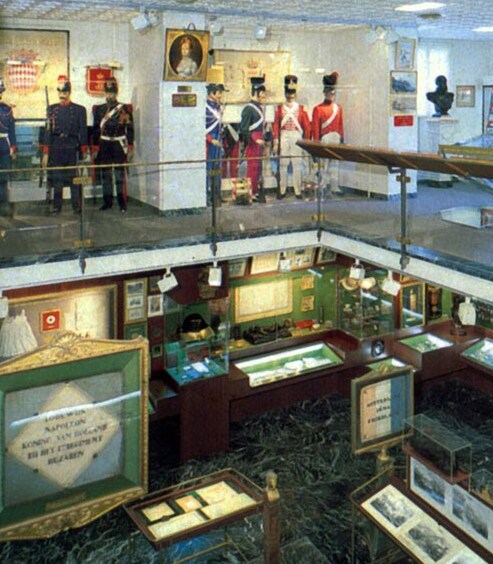

Nestled in the heart of Monaco-Ville, the Napoleon Museum offers an intimate glimpse into the life of one of history’s most enigmatic figures, Napoleon Bonaparte. Established through the passion of Prince Louis II, the museum housed a remarkable collection of artifacts that illuminated critical moments of the French Emperor's life, from his reign to his exile on Saint Helena.
### History and Origins The roots of the Napoleon Museum can be traced back to the early 20th century, when Prince Louis II began assembling a treasure trove of items connected to Napoleon. The museum was attached to the Prince's Palace, a symbolic site steeped in the historical narrative of Monaco itself. This princely lineage dates back to 1215, when the Grimaldi family first gained control over the region. Monaco's strategic location and its ties with France have significantly influenced its history, particularly during the tumultuous years of the Napoleonic Wars.
The museum not only showcased Napoleon's personal artifacts but also played a key role in highlighting Monaco’s own historical significance, particularly during the political shifts of the 19th century. Among the treasures was the Charter of Independence of Monaco, granted by King Louis XII of France in 1515, which illustrated the principality's longstanding quest for autonomy.
### Art and Architecture Architecturally, the museum is a testament to Monaco's regal heritage. Housed within the Prince's Palace, the museum features Baroque and Renaissance influences, with opulent decor that reflects the grandeur of its royal context. The interiors are adorned with carefully curated displays, showcasing not only Napoleon's belongings but also the artistry of the era.
Among the notable artworks is a striking portrait of Napoleon, surrounded by artifacts that range from his military uniforms to personal letters. Each piece tells a story, inviting visitors to traverse through time and experience the life and legacy of a man who shaped Europe.
### Local Culture and Traditions Monaco-Ville, the historic district, is alive with local customs that reflect its rich heritage. Festivals such as the Monaco Grand Prix, held annually since 1929, bring vibrant energy to the streets, while the Monaco Yacht Show showcases the principality's maritime culture. The blending of French and Italian influences is evident in local traditions, from the architecture to the culinary scene.
Each July, the Monaco Dance Forum celebrates the performing arts, drawing international talent to the city and embodying the principality’s commitment to cultural vitality. The Fête de la Saint-Jean in June also highlights the community spirit, with local feasts and bonfires lighting up the coastline.
### Gastronomy A journey through Monaco's culinary landscape is incomplete without indulging in its local delicacies. The influence of both French and Italian cuisine is palpable, with dishes such as Barbajuan (savory pastries filled with Swiss chard and ricotta) and Socca (chickpea pancakes) being local favorites. The Café de Paris is a must-visit, not just for its history but for its impressive array of pastries that reflect the region's culinary prowess.
Pair your meal with a glass of Monégasque wine or indulge in a refreshing Pastis, a traditional anise-flavored spirit that embodies the essence of Mediterranean living.
### Lesser-known Curiosities Despite its royal connection, many visitors overlook the intriguing stories hidden within the museum's walls. For example, Napoleon's son, Eugène de Beauharnais, was not only a military leader but also a significant figure in the Bavarian court, showcasing the extensive familial ties that spanned across Europe. Moreover, the museum's collection included rare pieces like Napoleon's love letters and military paraphernalia, offering deeper insight into his personal life.
One of the museum's most fascinating aspects is its poignant connection to Saint Helena, where Napoleon was exiled. The artifacts from this period, including his personal effects and the relics of his confinement, provide a unique perspective on his final years.
### Practical Visitor Information To fully appreciate the Napoleon Museum, the best time to visit is during the spring and early fall months, when the weather is mild and crowds are manageable. Early morning visits often yield a quieter experience, allowing for deeper engagement with the exhibits.
When exploring, don’t miss the chance to view the Charter of Independence, a reminder of Monaco's enduring spirit. Also, take time to wander through Monaco-Ville, with its narrow, winding streets that echo centuries of history.
In conclusion, the Napoleon Museum in Monaco-Ville is more than just a collection of artifacts; it is a portal into a transformative era that reshaped Europe and a reflection of the unique cultural tapestry of Monaco. As you plan your visit, consider using the Secret World app to tailor your itinerary for an unforgettable experience in this historic gem.
