
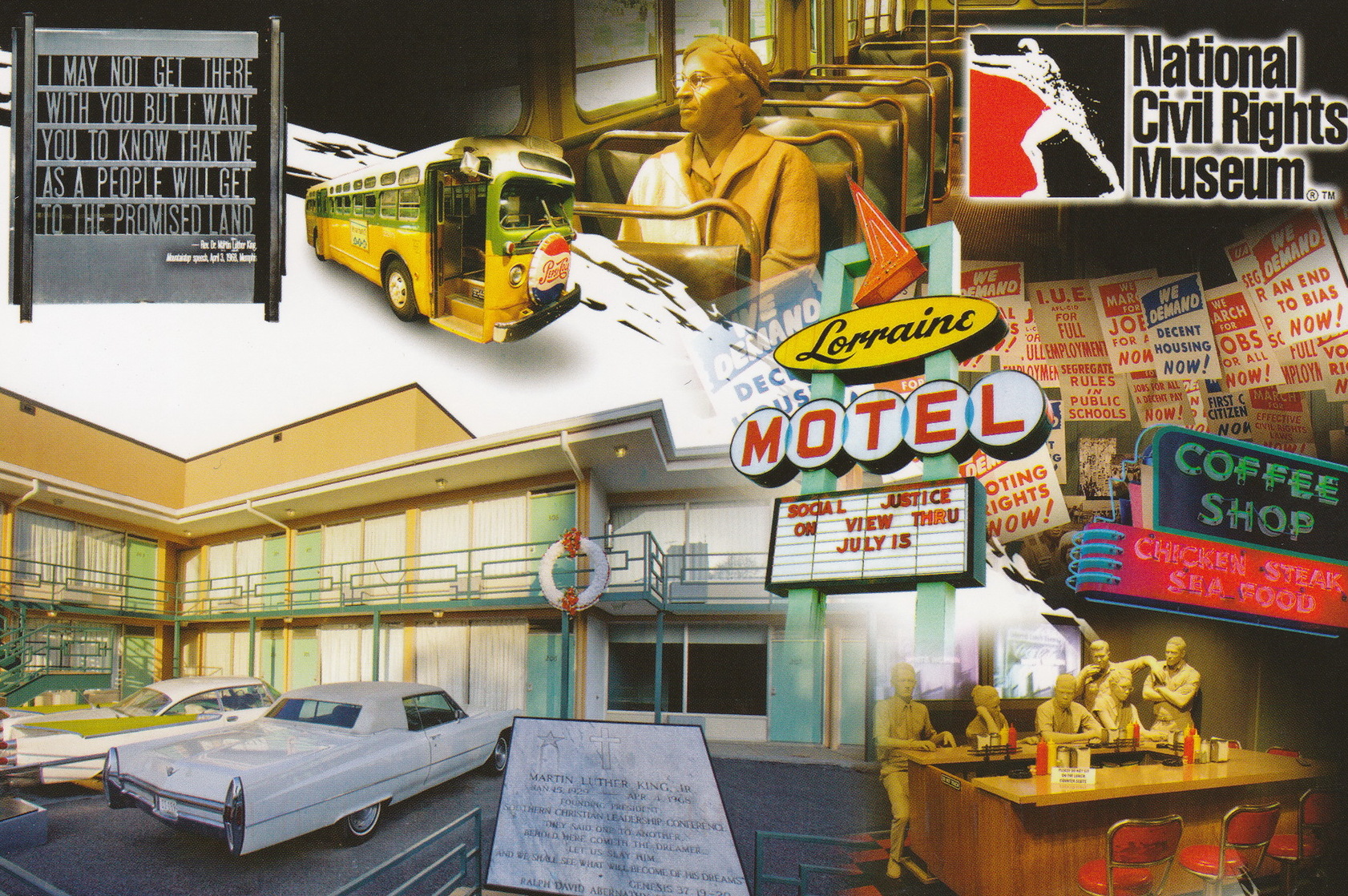

{"title": "National Civil Rights Museum: A Journey Through History in Memphis", "description": "In the heart of Memphis, the National Civil Rights Museum stands as a powerful testament to the ongoing struggle for freedom and equality. Built around the former Lorraine Motel, where the revered civil rights leader Dr. Martin Luther King Jr. was tragically assassinated on April 4, 1968, the museum invites visitors to engage with a narrative that spans centuries—telling the story of African-Americans' quest for independence and equality from the arrival of the first enslaved Africans in 1619 to contemporary movements for civil rights.\n\nThe origins of the National Civil Rights Museum trace back to the mid-1980s when local activists and historians recognized the need to preserve the legacy of the civil rights movement. In 1991, the museum officially opened to the public, merging the Lorraine Motel with the former L. C. King Manufacturing Company, creating a comprehensive space that chronicles the struggle for justice. Key exhibitions include pivotal moments such as the Montgomery Bus Boycott, the Freedom Rides, and the March on Washington.\n\nArchitecturally, the museum is a blend of historical preservation and modern design. The Lorraine Motel retains its original façade, evoking the poignant moment of history that unfolded there. Visitors are drawn to Room 306, where Dr. King spent his last moments. The integration of contemporary architectural elements, such as the glass-enclosed Exhibit Building, provides a stark contrast to the historic motel, emphasizing the evolution of civil rights over time. The museum’s design aims not only to educate but also to inspire, with spaces that encourage reflection and dialogue.\n\nLocal culture finds its vibrant expression through various traditions and events in Memphis. The city is known for its rich African-American heritage, which is celebrated in annual festivals such as the Memphis in May International Festival. This event honors a different country each year and showcases the city’s diverse cultures through music, food, and art. The museum itself plays a crucial role in these festivities, often hosting events that reflect on the ongoing struggles for equality and justice.\n\nWhen it comes to gastronomy, Memphis is renowned for its barbecue culture, particularly its slow-cooked pork dishes and unique dry rubs. Local favorites include pulled pork sandwiches and ribs, often enjoyed at legendary establishments such as Central BBQ and Gus's World Famous Fried Chicken. A visit to the National Civil Rights Museum can be perfectly complemented by indulging in these local delicacies, providing a taste of the region's culinary heritage.\n\nFor those seeking lesser-known curiosities, the museum has several hidden gems that many visitors overlook. One striking detail is the art installation titled " ,", which features a series of photographs capturing the resilience and strength of the civil rights activists. Additionally, the museum hosts several rotating exhibits that delve into contemporary issues of race and justice, ensuring that the conversation surrounding civil rights remains relevant.\n\nThe best time to visit the National Civil Rights Museum is during the spring and fall months, when Memphis enjoys mild weather and fewer crowds. It’s advisable to allocate several hours to fully explore the museum’s extensive exhibits. Visitors should take particular note of the interactive displays and personal stories that offer profound insights into the experiences of those who fought for civil rights.\n\nAs you immerse yourself in the rich history and culture of the National Civil Rights Museum, be prepared for a transformative experience that resonates beyond the walls of the museum. The power of history, art, and activism converge here, inviting all who enter to reflect on the past and inspire change for the future. For a tailored experience that captures the essence of Memphis, consider using the Secret World app to help you plan your journey."


