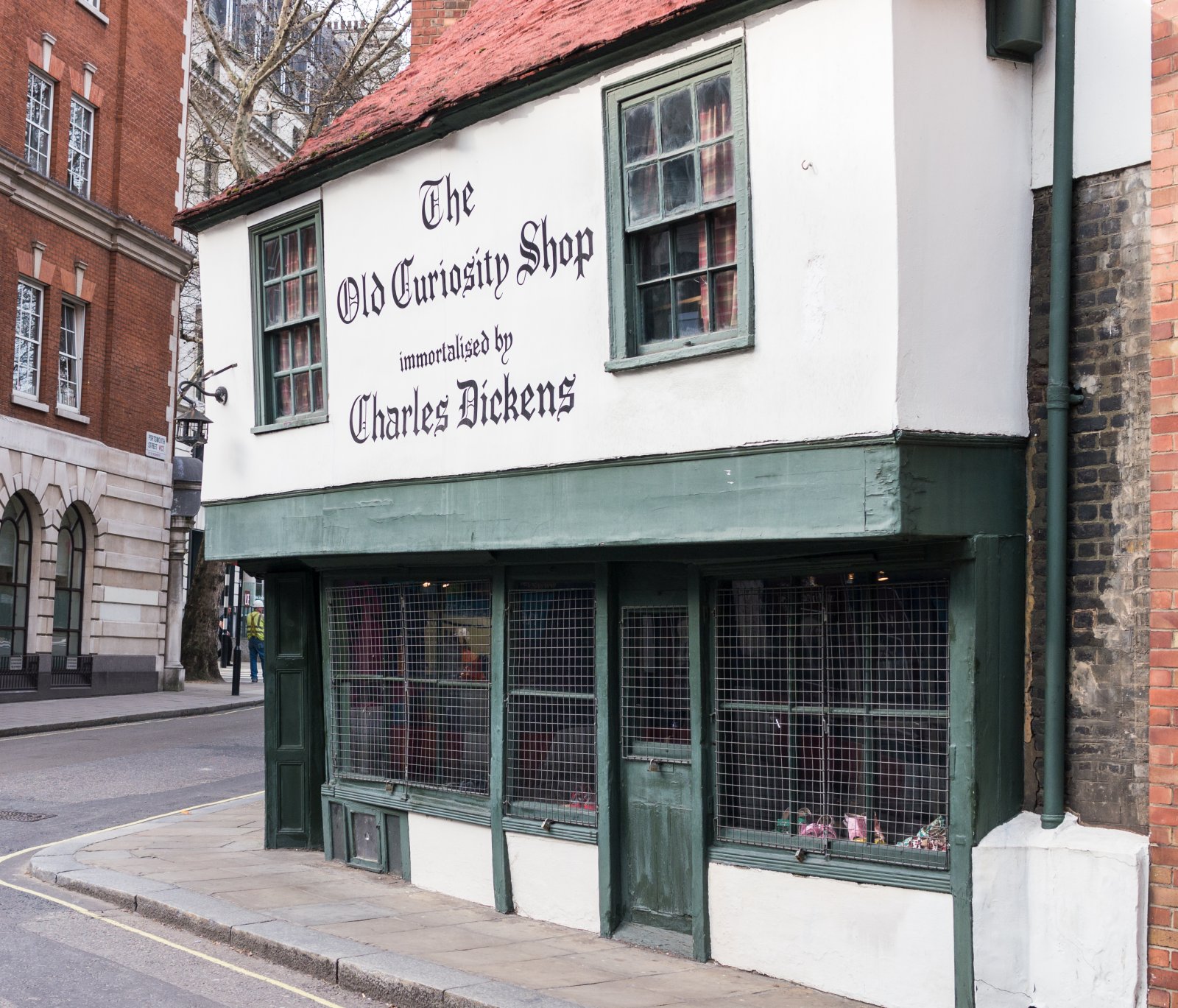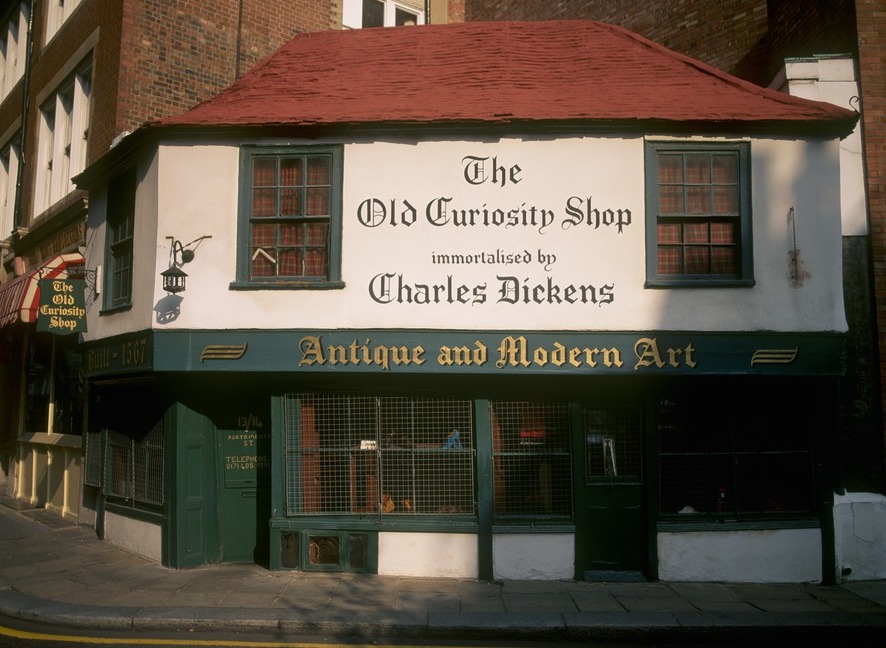

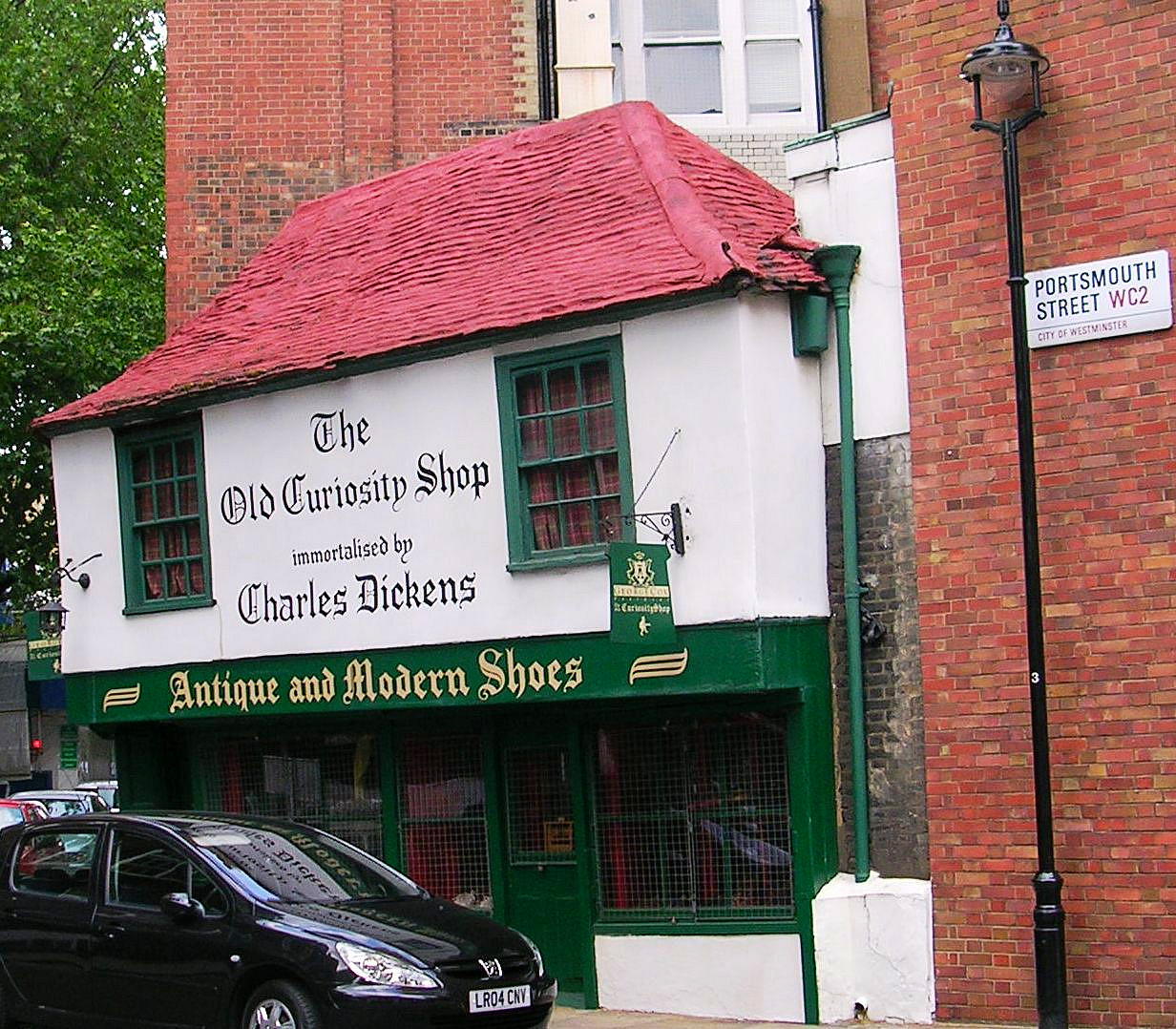
Tucked away in the bustling heart of London, The Old Curiosity Shop stands as a testament to time, its 16th-century façade whispering tales of yesteryear. This charming establishment, with its precariously overhanging upper storey and creaky wooden floorboards, embodies the very essence of the city’s rich historical tapestry. While the debate lingers about whether this shop inspired Charles Dickens’ novel of the same name, the building captivates all who pass by, inviting them to step into a world where history and fiction intertwine.
### History and Origins
The origins of The Old Curiosity Shop date back to 1567, making it one of the oldest surviving structures in central London. Initially a dwelling, it morphed into a shop over the centuries, catering to the diverse needs of locals and visitors alike. The shop gained prominence in the 19th century, coinciding with the Victorian era when Dickens was penning his novels. The association with Dickens has drawn countless literary enthusiasts to the site, fascinated by the possibility that this quaint shop served as his muse.
In 1841, when “The Old Curiosity Shop” was published, it was met with immediate acclaim, and readers were enchanted by the character of Little Nell and her grandfather. While there is no definitive proof that this building served as Dickens' inspiration, the ambiance and architecture certainly align with the descriptions found within its pages. The shop has survived the ravages of time, including the bombings of World War II, and continues to draw visitors eager to experience its historic charm.
### Art and Architecture
The Old Curiosity Shop is a striking example of Elizabethan architecture, showcasing a half-timbered exterior that is both charming and intriguing. The building features a distinctive sloping roof and exposed wooden beams, which speak of its age and the craftsmanship of the time. The uneven floorboards add to the shop’s character, inviting visitors to tread lightly as they take in their surroundings.
Inside, the shop is a treasure trove of curiosities, with shelves lined with an eclectic mix of antiques, books, and trinkets. Each item tells a story, and the shop itself has become a canvas for local artists to display their work, further enriching its artistic significance. This blend of history and contemporary creativity creates an atmosphere that resonates with both locals and tourists.
### Local Culture and Traditions
Located in the vibrant area of Holborn, The Old Curiosity Shop is surrounded by a wealth of cultural experiences. The neighborhood is steeped in history, with nearby landmarks such as Lincoln's Inn Fields and the British Museum, both of which offer visitors a glimpse into London’s rich past.
Local customs often revolve around the literary heritage of the area. Annual events like the Dickens Festival, usually held in early December, celebrate the author's influence on the city. During this time, the streets come alive with performances, readings, and Victorian-themed festivities, allowing participants to immerse themselves in the world that Dickens so vividly depicted.
### Gastronomy
While The Old Curiosity Shop is primarily known for its antiques and literary connections, the nearby culinary scene is equally enticing. Just a short stroll away, visitors can indulge in traditional British fare. Classic dishes such as fish and chips, shepherd's pie, and sticky toffee pudding can be found in local pubs, while nearby cafés serve delightful afternoon teas complete with scones and clotted cream.
For a taste of history, The Holborn Dining Room offers a contemporary twist on traditional British cuisine, housed in a former Victorian warehouse. Here, diners can enjoy seasonal dishes made with locally sourced ingredients while reflecting on the stories that linger in the air.
### Lesser-Known Curiosities
One of the most intriguing aspects of The Old Curiosity Shop is the hidden details that many tourists overlook. For instance, the shop’s name has become synonymous with the notion of quaint charm, but its original purpose was much more utilitarian. In the past, it served as a space for local craftsmen to sell their wares, from handmade goods to unique curios.
Additionally, the shop has been featured in various forms of media over the years, including films and television adaptations of Dickens' works, further cementing its status as a cultural icon.
### Practical Visitor Information
The best time to visit The Old Curiosity Shop is during the spring and summer months when the weather is pleasant, and the surrounding gardens are in full bloom. It’s advisable to visit during weekdays to avoid the larger weekend crowds.
When exploring the shop, take your time to browse the eclectic collection of items on display. Don’t hesitate to engage with the friendly staff, who often share fascinating stories about the items and the shop's history.
For a truly enriching experience, consider exploring the area on foot. The nearby streets are filled with hidden gems, from quaint cafés to historic pubs, making it an ideal spot for a leisurely afternoon stroll.
As you plan your visit to this enchanting part of London, consider using the Secret World app to create a personalized AI itinerary that will guide you through the city’s many wonders.