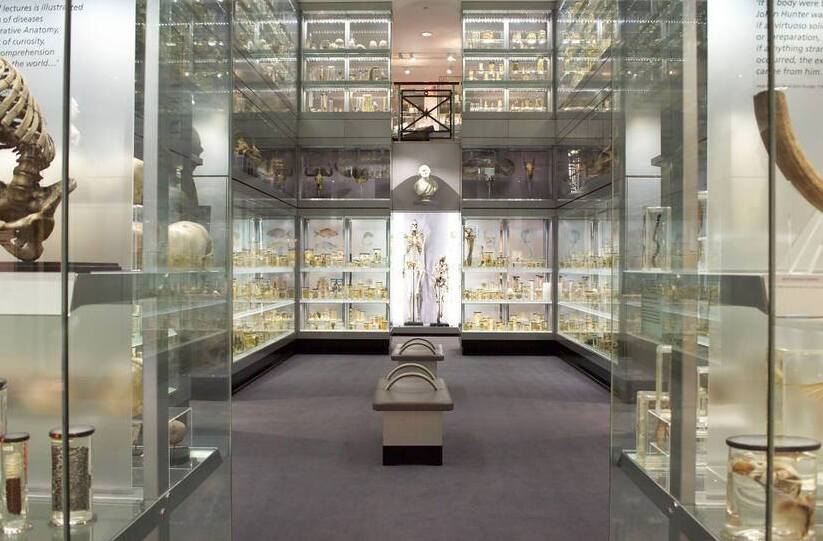

Nestled in the heart of London, the Hunterian Museum is a treasure trove of medical history and biological wonders. Located on the first floor of the Royal College of Surgeons, this museum is a testament to the contributions of one of the most pioneering surgeons in British history, John Hunter. Though currently closed to the public until 2021 due to redevelopment, the museum is poised to reopen with its remarkable collection that has fascinated visitors for centuries.
### History and Origins The origins of the Hunterian Museum date back to the 18th century when John Hunter, a Scottish surgeon born in 1728, began amassing an extensive collection of anatomical specimens. Hunter's dedication to the study of anatomy and surgery led him to collect over 13,000 samples, including human and animal tissues, organs, and even fetuses. His intent was to leave this collection to the nation for educational purposes, paving the way for the establishment of the museum in 1799. Throughout the years, the museum has become a significant resource for medical education, showcasing the evolution of surgical practices and anatomical knowledge.
### Art and Architecture The Royal College of Surgeons building, where the museum resides, is a striking example of Victorian architecture. Designed by Sir Robert Smirke in the early 19th century, the neoclassical façade features grand columns and intricate detailing that reflect the dignity and importance of the profession it houses. Inside, the museum's displays are arranged thematically, showcasing not just specimens but also the artistry involved in anatomical study. Notable artworks include illustrations and paintings that depict the human body in various states of health and disease, demonstrating the intersection of science and art.
### Local Culture and Traditions The Hunterian Museum is part of a broader tapestry of London's medical heritage. The city has long been a hub for medical innovation, home to some of the world's oldest hospitals and medical schools. Local customs often reflect this rich history, with events such as the London Medical Festival, which celebrates advancements in health and medicine. Though the museum is currently closed, it often hosts community outreach programs and educational workshops aimed at demystifying the medical field and encouraging a culture of learning.
### Gastronomy While visiting the Hunterian Museum, one cannot miss the opportunity to indulge in London's culinary delights. Just a stone's throw away is the vibrant culinary scene of Holborn, where you can enjoy traditional British fare. Be sure to try a classic fish and chips or a hearty Sunday roast. For something sweet, stop by a local bakery for a slice of sticky toffee pudding or some scones with clotted cream. Pair your meals with a refreshing pint of London Pride, a well-loved local ale, or opt for a cup of traditional English tea to complete your experience.
### Lesser-Known Curiosities While many visitors are drawn to the museum's impressive collection, fewer know about some of its more unusual exhibits. One such hidden gem is the mummified remains of a cat, found in the collection, which highlights the historical significance of animals in medical studies. Additionally, there are specimens that showcase the bizarre curiosities of human anatomy, such as conjoined twins and various birth defects. These exhibits serve as a poignant reminder of the complexities of human life and the evolution of medical science.
### Practical Visitor Information The best time to visit the Hunterian Museum would be after its reopening, when it promises to offer an enhanced experience for guests. Be sure to check the official Royal College of Surgeons website for updates on the reopening date and any special exhibitions that may be on display. When planning your visit, consider taking a guided tour to gain deeper insights into the collection and the life of John Hunter himself. Photography might be restricted, so be respectful of the museum's policies.
As you prepare for your visit to this fascinating institution, don’t forget to use the Secret World app to create a personalized itinerary that will ensure you make the most of your time exploring London’s hidden treasures.
