
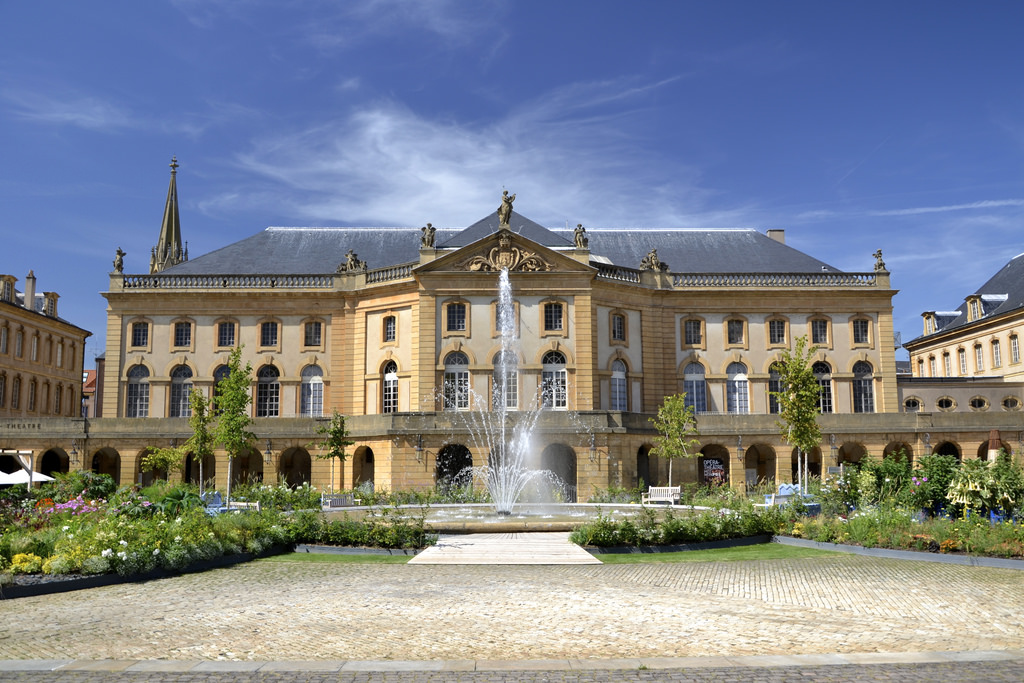

Nestled on the picturesque Petit-Saulcy island in the enchanting city of Metz, France, the Opéra-Théâtre de Metz Métropole stands as a testament to centuries of artistic grandeur and cultural heritage. As the oldest continuously operating opera house in France, its storied past and architectural splendor offer a captivating journey through time and art.
The Opéra-Théâtre’s history dates back to the early 18th century. Commissioned by the Duke of Lorraine, Léopold I, construction began in 1732, amidst the flourishing Baroque period. Designed by architect Jacques Oger, it was completed in 1752, making it one of the oldest opera houses in Europe. Over the centuries, this illustrious venue has survived wars and revolutions, serving as a cultural beacon through periods of transition and turmoil. Its resilience is a testament to the enduring spirit of the arts.
Architecturally, the Opéra-Théâtre de Metz Métropole is a masterpiece of Neoclassical design. The building’s elegant façade, adorned with Corinthian columns and intricate stonework, is emblematic of 18th-century French artistry. Inside, the auditorium boasts lavish gilt decorations and plush red velvet seating, creating an atmosphere of opulence and intimate grandeur. Notably, the theatre retains its original stage machinery, revered for its historical authenticity and functioning capability, offering a rare glimpse into the theatrical practices of the past.
The cultural significance of the Opéra-Théâtre extends beyond its walls. Metz itself is a city rich in heritage, and the theatre plays a pivotal role in its vibrant cultural scene. The venue hosts an array of performances, from operas and ballets to contemporary theatre, embracing both tradition and innovation. Local festivals, such as the Metz Opera Festival, illuminate the city with a dazzling display of artistic expression, drawing performers and audiences from around the globe.
No exploration of Metz would be complete without indulging in its culinary delights. The region’s cuisine reflects a unique blend of French and German influences. Visitors to the Opéra-Théâtre can savor local specialties such as Quiche Lorraine, a savory tart made with eggs, cream, and lardons. Pair it with a glass of Moselle wine, produced from the vineyards that line the nearby Moselle River, for a truly authentic gastronomic experience. For dessert, the Mirabelle plum tart offers a sweet taste of Lorraine’s famed fruit harvest.
Amidst the grand history and rich culture, the Opéra-Théâtre de Metz Métropole harbors hidden stories and intriguing details. One lesser-known fact is that the opera house is one of the last in France to maintain its own costume ateliers, where skilled artisans craft and preserve the elaborate costumes that grace the stage. This dedication to authenticity enhances the theatrical experience, offering audiences a glimpse into the meticulous artistry behind each performance.
For those planning a visit, the theatre is open year-round, with a varied schedule of performances. The best time to visit is during the spring or autumn, when the weather is mild and the city’s parks and gardens are in full bloom. Tickets can be purchased online or at the box office, but be sure to book in advance for popular performances, as the intimate 750-seat auditorium ensures an exclusive yet limited audience.
As you explore the theatre, look for the salon de thé, a charming tea room where visitors can enjoy refreshments before the performance. Take a moment to admire the intricate ceiling frescoes and the exquisite chandelier that hangs in the foyer, reflecting the grandeur of a bygone era.
The Opéra-Théâtre de Metz Métropole is more than just a venue; it is a living museum of the performing arts, a sanctuary of history and a celebration of culture. Whether you are a seasoned opera aficionado or a curious traveler, a visit to this historic gem promises an unforgettable experience, enriching both the mind and the soul.


