
← Back

The Palace of the Podestà

Via Todini, 6, 58024 Massa Marittima GR, Italia ★★★★☆ 273 views
Mia Patel
Massa Marittima
🏆 AI Trip Planner 2026

Get the free app

Discover the best of Massa Marittima with Secret World — the AI trip planner with 1M+ destinations. Get personalized itineraries, hidden gems and local tips. Free on iOS & Android.

🧠 AI Itineraries 🎒 Trip Toolkit 🎮 KnowWhere Game 🎧 Audio Guides 📹 Videos
Download on the App Store Get it on Google Play
Scan to download Scan to download

About The Palace of the Podestà

The Palace of the Podestà - Massa Marittima | Secret World Trip Planner

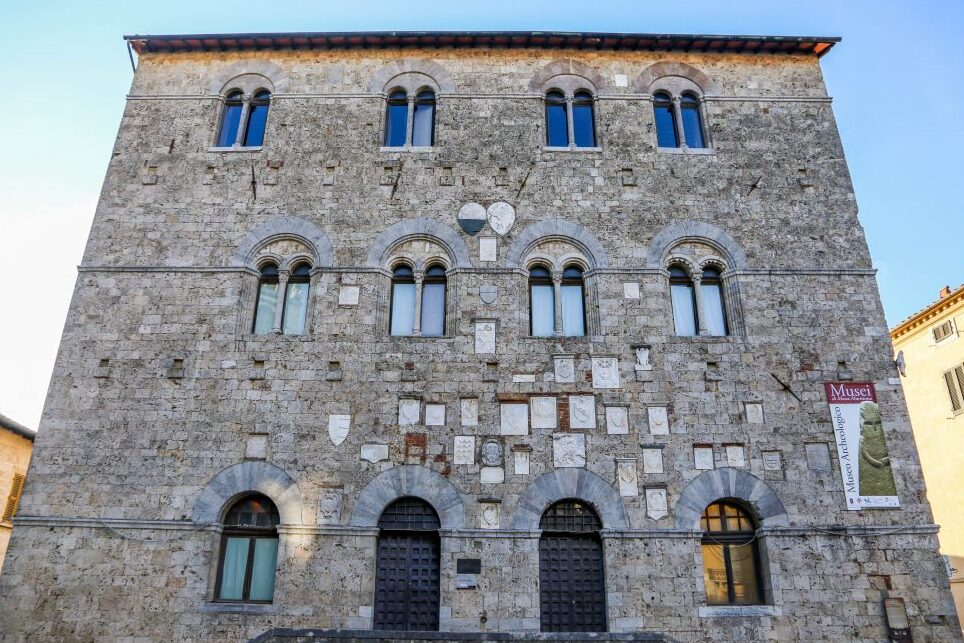
The Palazzo del Podestà, also known as the Palace of Justice or Praetorian Palace, is one of the buildings that overlook the Piazza del Duomo and was built in the middle of the 13th century following the constitution of the Free Commune of Massa Marittima (1225). The structure has not undergone any architectural changes, but the building, over time, has had very different functions. It was born as the seat of the Podestà, the highest authority of the town, and it was from here that the affairs of justice were administered. On the façade you can see a multitude of coats of arms and emblems of the families that followed one another in power, including the Balzana bianconera of Siena and the rampant lion. With the passing of time, the building also served as a magistrate's court and prison until the 1970s. It currently houses the Archaeological Museum of Massa Marittima, organised in two main sections, the prehistoric and the Etruscan. A curiosity: On the façade of the building, next to the side flight of stairs that leads to the entrance door, you can notice two elements that at first glance would go unnoticed. A horizontal groove about 1.60 meters long and a large iron ring set in the travertine. The first is the so-called braccio massetano, the unit of measure at the time of the Free Commune. The other is the berlina, which was used to tie the condemned to be publicly displayed in the square.

🗺 AI Trip Planner

Plan your visit to Massa Marittima

Suggested itinerary near The Palace of the Podestà

MAJ+
500.000+ travelers worldwide
  1. 🌅
    Morning
    The Palace of the Podestà
    📍 Massa Marittima
  2. ☀️
    Afternoon
    Altar of Ivan Theimer in the Cathedral of Massa Marittima
    📍 0.1 km · Massa Marittima
  3. 🌆
    Evening
    P.zza Garibaldi, one of the most beautiful squares in Tuscany
    📍 0.1 km · Massa Marittima

Buy Unique Travel Experiences

Powered by Viator

See more on Viator.com

Explore nearby · Massa Marittima

Frequently Asked Questions

The Palazzo del Podestà now houses the Archaeological Museum of Massa Marittima, which is organized into two main sections: prehistoric and Etruscan exhibits. This repurposing transformed the historic seat of justice into a cultural institution showcasing the region's ancient heritage.
The façade displays a multitude of coats of arms and emblems from the powerful families that ruled Massa Marittima over time, including the Balzana bianconera of Siena and the rampant lion. These heraldic symbols serve as a visual record of the building's political history.
Built in the middle of the 13th century following the establishment of the Free Commune of Massa Marittima in 1225, it originally served as the seat of the Podestà, the town's highest authority. From this building, the affairs of justice were administered for the commune.
The braccio massetano is a horizontal groove about 1.60 meters long that served as the standard unit of measure during the Free Commune period, while the berlina is an iron ring set in travertine used to tie condemned prisoners for public display in the square. Both elements remain visible on the façade next to the side staircase leading to the entrance door.
Beyond its original role as a seat of justice, the building evolved to serve as a magistrate's court and even housed a prison until the 1970s. It has maintained its structural integrity throughout these various functions without undergoing any architectural changes, preserving its medieval character.
