
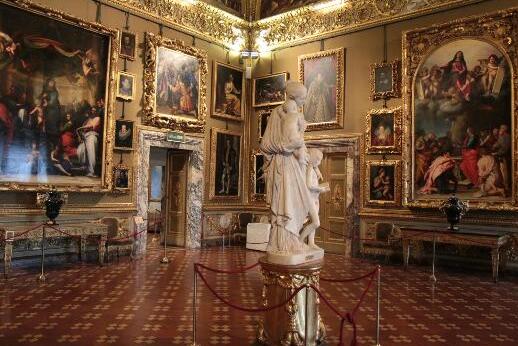

Nestled within the opulent walls of Palazzo Pitti in Florence, the Palatine Gallery offers a treasure trove of Italian art, captivating visitors with its rich history and stunning collection. As you step into this grand museum, the air is thick with the whispers of the past, inviting you to explore its artistic and cultural legacy.
The origins of the Palatine Gallery trace back to the 18th century when Grand Duke Leopold II of Tuscany sought to alleviate the overcrowded conditions of the Uffizi Gallery. In a bold move, he relocated a significant portion of the Medici family's vast art collection to Palazzo Pitti, thus establishing a new cultural landmark. This decision not only preserved the artworks but also showcased them in a setting that reflected the grandeur of the Medici dynasty. The gallery was officially opened to the public in 1828, allowing visitors to experience the splendor of the Medici collection in a more intimate environment.
Architecturally, the Palatine Gallery is a stunning example of Renaissance design. The rooms are adorned with exquisite stucco work and vibrant frescoes that create a harmonious backdrop for the artworks on display. Unlike many modern museums, the arrangement of the paintings reflects an aesthetic rather than a strictly chronological or thematic organization. This approach was intended to immerse visitors in a decorative experience, akin to a nobleman's residence. The opulence of the setting enhances the allure of the artworks, turning each gallery into a captivating experience.
Among the highlights of the Palatine Gallery are masterpieces by renowned artists such as Raffaello, whose captivating Madonna della Seggiola draws admiration for its emotional depth and masterful composition. Titian’s Maddalena Penitente showcases the artist's ability to blend realism with dramatic intensity, while Caravaggio’s stark contrasts of light and shadow have made a lasting impact on the art world. Visitors can also admire works by Rubens, Andrea del Sarto, and Pontormo, representing the pinnacle of 16th and 17th-century Florentine art.
The cultural significance of the Palatine Gallery extends beyond its walls. Florence is steeped in traditions that celebrate its rich artistic heritage. The Calcio Storico, a historic football match held annually in June, pays homage to the city’s vibrant past. Additionally, the Festa della Rificolona, celebrated in September, showcases colorful paper lanterns parading through the streets, reminiscent of the Renaissance period. These events reflect the deep-rooted customs of the locals and their enduring connection to the city’s artistic legacy.
When it comes to gastronomy, Florence offers a culinary experience that complements its artistic heritage. Local specialties such as Bistecca alla Fiorentina, a succulent T-bone steak, are a must-try for meat lovers. Pair it with a glass of Chianti, a robust red wine that hails from the surrounding vineyards. For those with a sweet tooth, the Schiacciata alla Fiorentina, a traditional orange-flavored cake, captures the essence of Tuscan flavors. Many local eateries near the Palatine Gallery invite you to savor these delicacies, ensuring that your visit is as much about indulging in local cuisine as it is about appreciating art.
While the main attractions draw crowds, the Palatine Gallery has its own set of lesser-known curiosities. One such detail is the hidden secret compartments within the gallery’s decorative frames, used by the Medici to conceal small treasures. Another intriguing fact is that the gallery houses a collection of portraits of the Medici family, providing an intimate glimpse into the lives of Florence's most influential figures. Furthermore, the gallery’s Royal Apartments, often overlooked, showcase the lifestyle of the Grand Dukes, complete with period furnishings and decor.
To make the most of your visit to the Palatine Gallery, timing is crucial. The best time to explore is during the early morning hours or on weekdays, when the crowds are thinner. Take your time to appreciate the intricate details of each artwork, and don't hesitate to ask museum staff for insights; they often share fascinating anecdotes that enhance your appreciation of the pieces.
As you wander through the Palatine Gallery and soak in its artistic wonders, remember to take a moment to admire the views of the Boboli Gardens from the gallery’s windows—an enchanting sight that perfectly complements the artwork within.
For a truly personalized experience, consider using the Secret World app to plan your itinerary and uncover the hidden gems of Florence.


