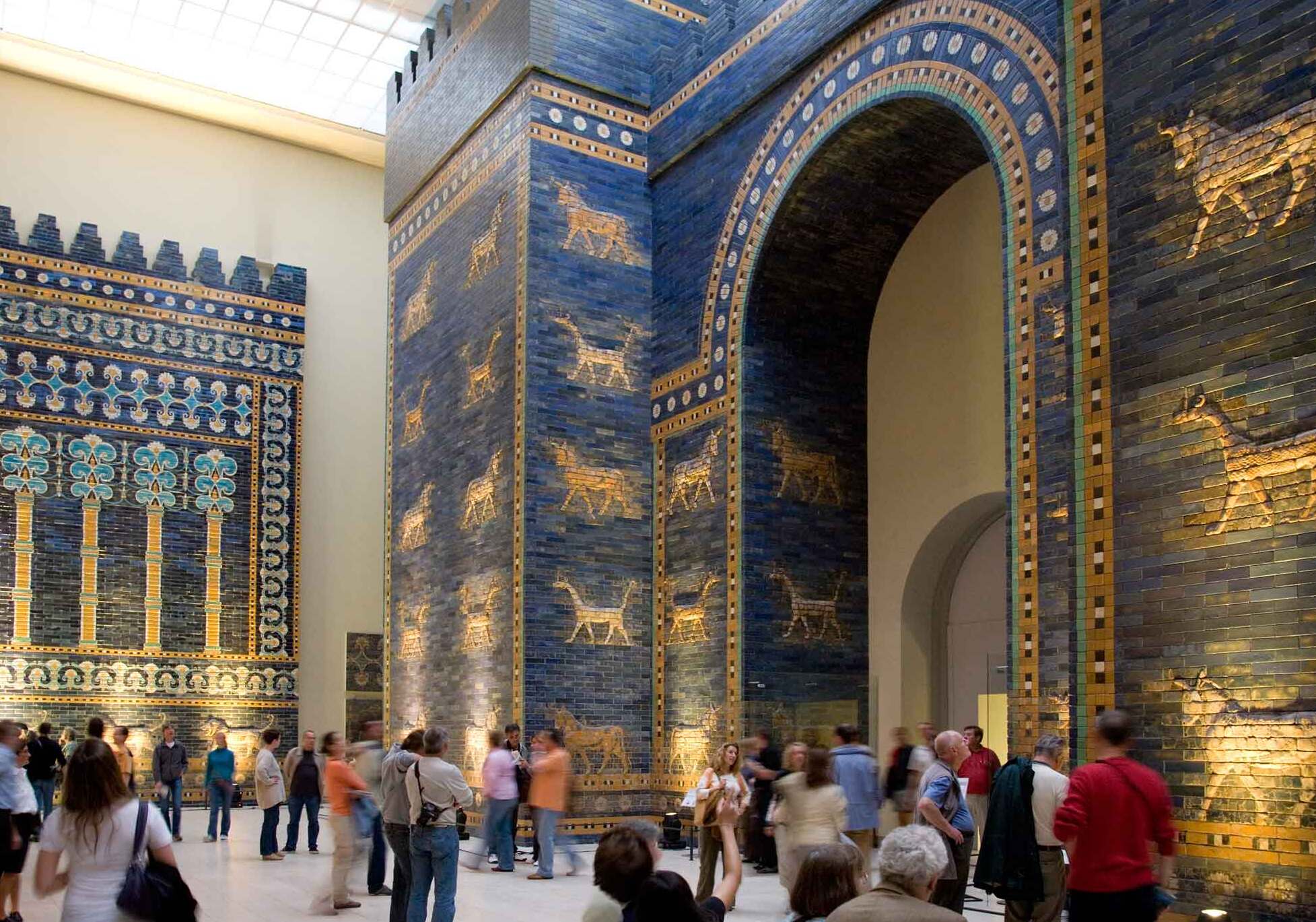

The Pergamon Museum stands as a beacon of human history and artistic achievement in the heart of Berlin, drawing millions of visitors each year. Nestled on Museum Island, a UNESCO World Heritage site, this museum is not just a collection of artifacts but a vibrant tapestry that weaves together the stories of ancient civilizations.
### History and Origins
The museum's roots trace back to the 19th century when the Prussian king Friedrich Wilhelm IV envisioned a cultural institution that would house treasures from across the globe. The museum was officially inaugurated in 1930, named after the ancient Greek city of Pergamon in modern-day Turkey, where significant archaeological discoveries were made during excavations led by German archaeologist Carl Humann. His team unearthed monumental structures that would later be reconstructed and displayed in the museum.
Throughout its history, the Pergamon has faced challenges, including the ravages of World War II, which damaged many of its collections. Despite this, the museum has undergone extensive restorations and expansions, solidifying its status as one of the leading museums in Europe. The ongoing commitment to preserving and showcasing cultural heritage is evident in its diverse collections, which span thousands of years.
### Art and Architecture
The architectural style of the Pergamon Museum is a striking example of Neo-Classical design, featuring grand columns and spacious halls that echo the aesthetics of ancient structures. The museum is divided into three main sections: Classical Antiquities, Near Eastern Antiquities, and Islamic Art, each offering a unique glimpse into the artistry of their respective cultures.
Among its most notable artworks are the Pergamon Altar, a monumental structure adorned with intricate reliefs depicting the battle between gods and giants, and the Ishtar Gate, an awe-inspiring entrance to the ancient city of Babylon, lavishly decorated with blue glazed bricks and golden mosaics. The Market Gate of Miletus, another highlight, showcases the grandeur of Roman architecture with its impressive columns and detailed carvings, illustrating the sophistication of ancient urban design.
### Local Culture and Traditions
Berlin's local culture is a blend of historical depth and contemporary vibrancy. Festivals such as the Berlin Art Week and the Long Night of Museums celebrate the city’s rich artistic heritage, attracting crowds to galleries and museums, including the Pergamon. The city's diverse population brings a tapestry of traditions, reflected in its culinary scene and cultural events.
The influence of history is palpable, with traditions like Christmas markets lighting up the winter months, offering visitors a chance to experience local customs while enjoying seasonal treats like Glühwein (mulled wine) and Stollen (Christmas bread).
### Gastronomy
The culinary landscape around the Pergamon Museum is as rich as its collections. Traditional Berlin dishes like Currywurst (sausage with curry ketchup) and Döner Kebab (a Turkish-inspired wrap) can be found in nearby eateries. The influence of various cultures is evident, with many cafés and restaurants offering fusion dishes that reflect Berlin's multicultural identity.
Don’t miss out on trying Berliner Pfannkuchen, a jam-filled doughnut that is a local favorite, especially during the carnival season. For a refreshing drink, indulge in a Berliner Kindl beer, which provides a taste of the city's brewing tradition.
### Lesser-known Curiosities
While the major attractions draw crowds, several lesser-known aspects of the Pergamon Museum deserve attention. One such curiosity is the Aleppo Room, an exquisite example of an Ottoman-era interior, which houses artifacts from Syria. This room is not just a showcase of beauty but a poignant reminder of the ongoing conflict in the region, raising awareness about the preservation of cultural heritage.
Another hidden detail is the museum's ambitious project to digitally recreate artifacts and structures that have been lost to time or conflict, allowing visitors to engage with history in innovative ways. The museum also houses a treasure trove of ancient coins, providing a unique insight into the economic systems of bygone eras.
### Practical Visitor Information
The best time to visit the Pergamon Museum is during the shoulder seasons of spring (April to June) and autumn (September to October). These months offer milder weather and fewer crowds, allowing for a more intimate experience with the exhibits.
To make the most of your visit, consider purchasing a Museum Island Pass, which grants access to all the museums on the island. Arriving early in the day is advisable to avoid long lines, especially when the museum's crown jewel, the Pergamon Altar, is open to the public again.
Make sure to take time to explore the surrounding area, as Museum Island itself is home to stunning architecture and lush green spaces that provide a perfect backdrop for reflection after immersing yourself in history.
In Berlin, the Pergamon Museum is indeed a treasure trove of human achievement, offering insights into the past that resonate deeply in today's world. For a personalized itinerary that highlights the best of this vibrant city, consider using the Secret World app to navigate your journey.
