
← Back

The Picos de Europa

Torre Cerredo, 33554, Asturias, Spagna ★★★★☆ 570 views
Sara hook
33554
🏆 AI Trip Planner 2026

Get the free app

Discover the best of 33554 with Secret World — the AI trip planner with 1M+ destinations. Get personalized itineraries, hidden gems and local tips. Free on iOS & Android.

🧠 AI Itineraries 🎒 Trip Toolkit 🎮 KnowWhere Game 🎧 Audio Guides 📹 Videos
Scan to download iOS / Android
Scan for AppGallery Huawei users

About The Picos de Europa

The Picos de Europa - 33554 | Secret World Trip Planner

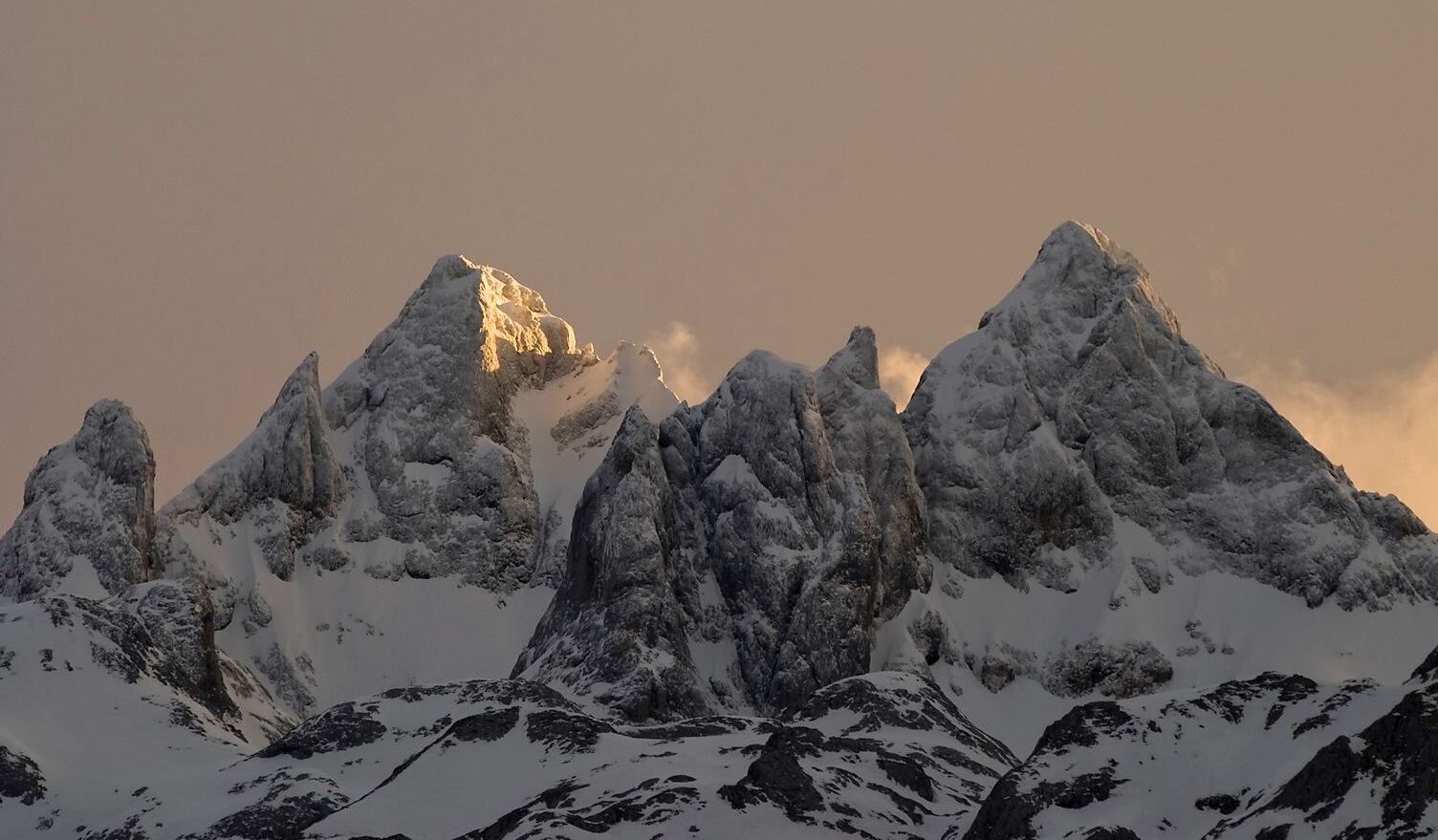
Nestled in the heart of northern Spain, the Picos de Europa are a majestic mountain range that captivates visitors with their stunning scenery, rich cultural heritage, and vibrant local traditions. Spanning approximately 20 km (12 mi), this extraordinary range is part of the Cantabrian Mountains and straddles the autonomous communities of Asturias, Cantabria, and Castile and León. The highest peak, Torre de Cerredo, rises majestically to 2,650 meters (8,690 ft), offering breathtaking views and challenging adventures for hikers and mountaineers alike.

### History and Origins

The Picos de Europa boast a storied past that dates back to ancient times. Archaeological evidence indicates that humans inhabited the area as early as the Upper Paleolithic, with Neolithic cave paintings found in places like Cueva de Covadonga and Cueva de La Pasiega. These caves not only showcase early artistic expressions but also offer insight into the lives of those who roamed these mountains thousands of years ago.

During the early medieval period, the mountains gained strategic significance as a refuge during the Reconquista (711-1492), a pivotal series of battles for the Iberian Peninsula. The name "Picos de Europa" is said to have originated from sailors who first spotted the peaks while navigating the northern coast. Their imposing stature provided a sense of direction and safety, marking the mountains as an iconic landmark.

As you explore the region, the historical significance of the Covadonga Sanctuary becomes apparent. This sacred site marks the location of the first decisive victory in the Reconquista, where Pelayo, a nobleman and the first king of the Kingdom of Asturias, led his troops to triumph against the Moors in 722 AD. This battle is often viewed as the catalyst for the Christian reconquest of Spain.

### Art and Architecture

The architectural style found in the Picos de Europa region is a beautiful blend of Romanesque and Gothic influences, with many churches and monasteries showcasing intricate stonework and majestic spires. Notable examples include the Basilica de Santa María la Real de Covadonga, a stunning Neo-Romanesque structure completed in 1901 that houses the tomb of Pelayo. This basilica, with its striking pink stone facade against the backdrop of the mountains, is a testament to the region's spiritual heritage.

In addition to religious architecture, local artisans have contributed to the cultural landscape through traditional crafts. The Asturian pottery and handwoven textiles reflect the region’s agricultural roots, often depicting the stunning natural surroundings and rich folklore.

### Local Culture and Traditions

The culture of the Picos de Europa is deeply intertwined with its breathtaking landscapes. Local customs are vibrant and varied, with traditional festivals celebrating everything from the harvest to local saints. The Fiesta de la Santina, held in September, attracts visitors from around the region, honoring the Virgin of Covadonga with processions, music, and dance.

Another significant celebration is La Balesquida, which occurs in the summer months. This festival features traditional Asturian music, bagpipes, and folklore performances, inviting both locals and tourists to participate in the joyous atmosphere. Visitors can also witness the age-old practice of Asturian shepherding, where locals bring their livestock down from the high pastures, a custom that symbolizes the deep connection between the people and their land.

### Gastronomy

Cuisine in the Picos de Europa is a delightful reflection of its rich agricultural heritage. Cider, or sidra, is a quintessential beverage of the region, produced by fermenting apples from local orchards. The traditional way of serving sidra involves pouring it from a height, allowing the drink to aerate and develop its unique flavor.

Another local delicacy is cocido montañés, a hearty stew made with beans, cabbage, and various meats, perfect for warming up after a day of hiking. Queso de Cabrales, a blue cheese produced in the nearby village of the same name, is another must-try, renowned for its strong flavor and crumbly texture. Pair it with local bread and a glass of sidra for an authentic culinary experience.

### Lesser-known Curiosities

While the Picos de Europa are famous for their natural beauty, several lesser-known curiosities make the region even more intriguing. For instance, the Ruta del Cares, a stunning trail carved into the cliffs of the Cares Gorge, is often overlooked by tourists. This epic path offers views of sheer rock faces and crystal-clear rivers, making it a favorite among avid hikers.

Additionally, the area is home to the Asturian brown bear, one of the rarest species in Europe. Conservation efforts are ongoing to protect this majestic creature, and visitors may catch a glimpse of it in the wild if they are fortunate.

### Practical Visitor Information

The best time to visit the Picos de Europa is during the late spring and early autumn months when the weather is mild and the landscapes are lush. However, summer can be an excellent time for families and outdoor enthusiasts, as many trails are accessible and local festivals abound.

When planning your visit, consider staying in charming villages such as Cangas de Onís or Potes, where you can experience local hospitality and cuisine. Don’t forget to dress in layers, as weather conditions can change rapidly in the mountains.

As you embark on your journey through the Picos de Europa, take the time to explore both the well-trodden paths and the hidden gems that await. For a personalized itinerary, consider using the Secret World app to discover the best experiences tailored to your preferences.

🗺 AI Trip Planner

Plan your visit to 33554

Suggested itinerary near The Picos de Europa

MAJ+
500.000+ travelers worldwide
  1. 🌅
    Morning
    The Picos de Europa
    📍 33554
  2. ☀️
    Afternoon
    The Naranjo de Bulnes
    📍 2.8 km · 33554
  3. 🌆
    Evening
    Cabrales (Spanish: Queso de Cabrales) is a blue cheese
    📍 13.1 km · 33554

Buy Unique Travel Experiences

Powered by Viator

See more on Viator.com

Explore nearby · 33554

Frequently Asked Questions

Torre de Cerredo is the highest peak in Picos de Europa, rising majestically to 2,650 meters (8,690 ft). It offers breathtaking views and provides challenging adventures for hikers and mountaineers seeking to tackle this impressive summit.
The Picos de Europa mountain range straddles three autonomous communities in northern Spain: Asturias, Cantabria, and Castile and León. This strategic location makes the region accessible from multiple entry points across northern Spain.
Covadonga Sanctuary marks the location of the first decisive victory in the Reconquista in 722 AD, where Pelayo led troops against the Moors and became the first king of the Kingdom of Asturias. This battle is often viewed as the catalyst for the Christian reconquest of Spain.
The name 'Picos de Europa' is said to have originated from sailors who first spotted the peaks while navigating the northern coast of Spain. The imposing mountains provided a sense of direction and safety, marking them as an iconic landmark for maritime travelers.
The Picos de Europa region contains significant Neolithic cave paintings found in places like Cueva de Covadonga and Cueva de La Pasiega, with archaeological evidence indicating human habitation dating back to the Upper Paleolithic period. These caves showcase early artistic expressions and provide valuable insights into the lives of ancient inhabitants thousands of years ago.
