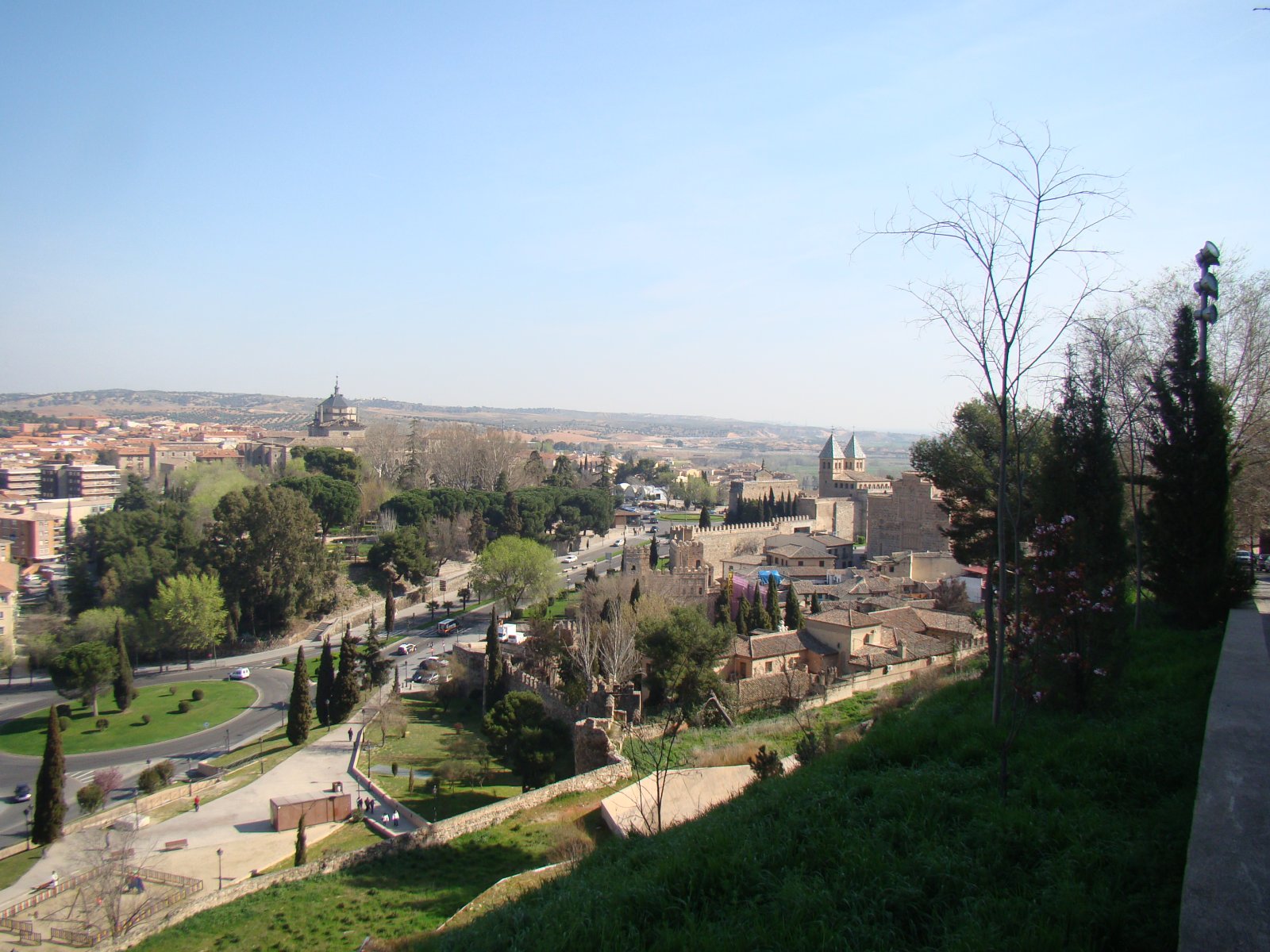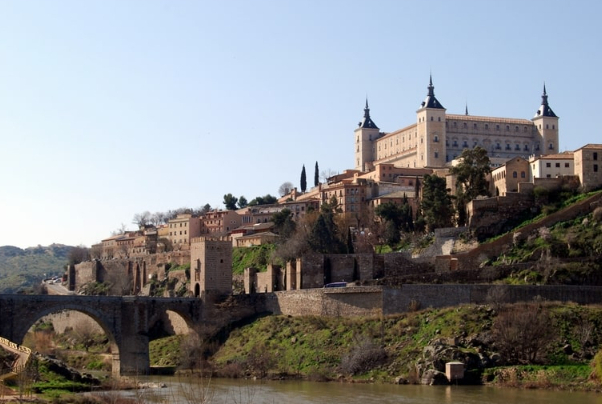

The Puente de San Martín stands as a testament to Toledo's rich historical tapestry. Spanning the Tagus River, this medieval bridge was commissioned in the late 14th century by Archbishop Pedro Tenorio, showcasing the architectural ingenuity of its time. Its five majestic arches, particularly the central arch stretching an impressive 40 meters, made it one of the most remarkable engineering feats of the era. The bridge not only served as a vital connection between the two banks of the river but also played a significant role in the defense strategies of Toledo, which was a military stronghold during the Reconquista. The Puente de San Martín was constructed at a time when the city was under the influence of both Christian and Muslim cultures, reflecting a unique blend of architectural styles that can still be seen today. Each stone tells a story, echoing the laughter of merchants, the footsteps of pilgrims, and the whispers of lovers who have crossed its path. Today, it offers breathtaking views of the river and the Alcázar, a fortification that dominates the skyline of Toledo. Visitors can appreciate the artisanal touches in its stonework, where intricate carvings and the iconic Mudejar style highlight the bridge's cultural significance. In addition to its architectural beauty, the Puente de San Martín is a focal point for local traditions. Each September, the Virgen de la Salud festival sees a procession that crosses the bridge, a celebration that honors the patroness of Toledo. This event is a vivid reminder of the city's deep-rooted customs and the vibrant community spirit that thrives here. For food enthusiasts, Toledo offers a culinary journey that complements the historical experience. Local delicacies such as Mazapán, crafted from almonds and sugar, are a must-try, often enjoyed alongside a glass of Tinto de la Tierra, a robust red wine produced in the region. The bridge itself has been a silent witness to countless meals shared and stories exchanged, making it a living part of the cultural fabric of the city. While many visitors flock to the more famous sites, some hidden details about the Puente de San Martín often go unnoticed. For instance, the bridge features a small shrine dedicated to San Martín, which is said to have been a stopping point for travelers seeking blessings on their journey. Additionally, the legends surrounding its construction include tales of a pact with the devil, adding an air of mystique to its already storied past. The best time to visit the Puente de San Martín is during the late afternoon or early evening, when the golden hour casts a warm glow over the stonework, creating a magical atmosphere. As you stroll across the bridge, take a moment to soak in the panoramic views of the Tagus River and the historic skyline of Toledo. A few tips for visitors include wearing comfortable shoes, as the cobbled stones can be uneven, and bringing a camera to capture the stunning vistas. Whether you're exploring the intricate details of the bridge or enjoying the surrounding scenery, the Puente de San Martín is a place that invites reflection and appreciation of the past. To truly immerse yourself in the rich history and culture of Toledo, consider using the Secret World app to plan a personalized AI itinerary that will guide you to hidden gems and local experiences.