
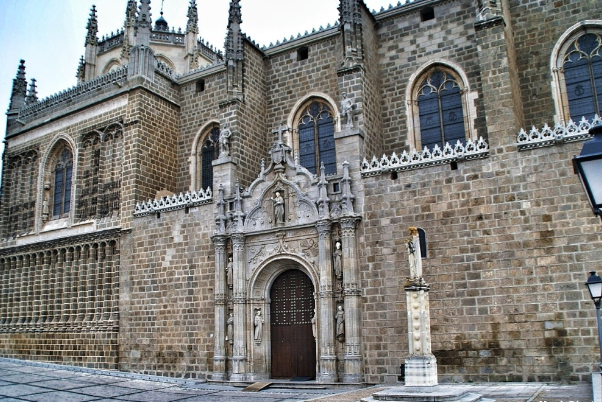

Nestled within the historic city of Toledo, Spain, the Monastery of San Juan de los Reyes stands as a testament to the grandeur of the Catholic Monarchs, Ferdinand II of Aragon and Isabella I of Castile. Founded in 1477 to commemorate their victory at the Battle of Toro, this monastery was envisioned as a burial site for the royal family and a place for the Franciscans to practice their faith. As you approach its impressive façade, you are greeted by intricate details that reflect the rich tapestry of history and culture that defines Toledo.
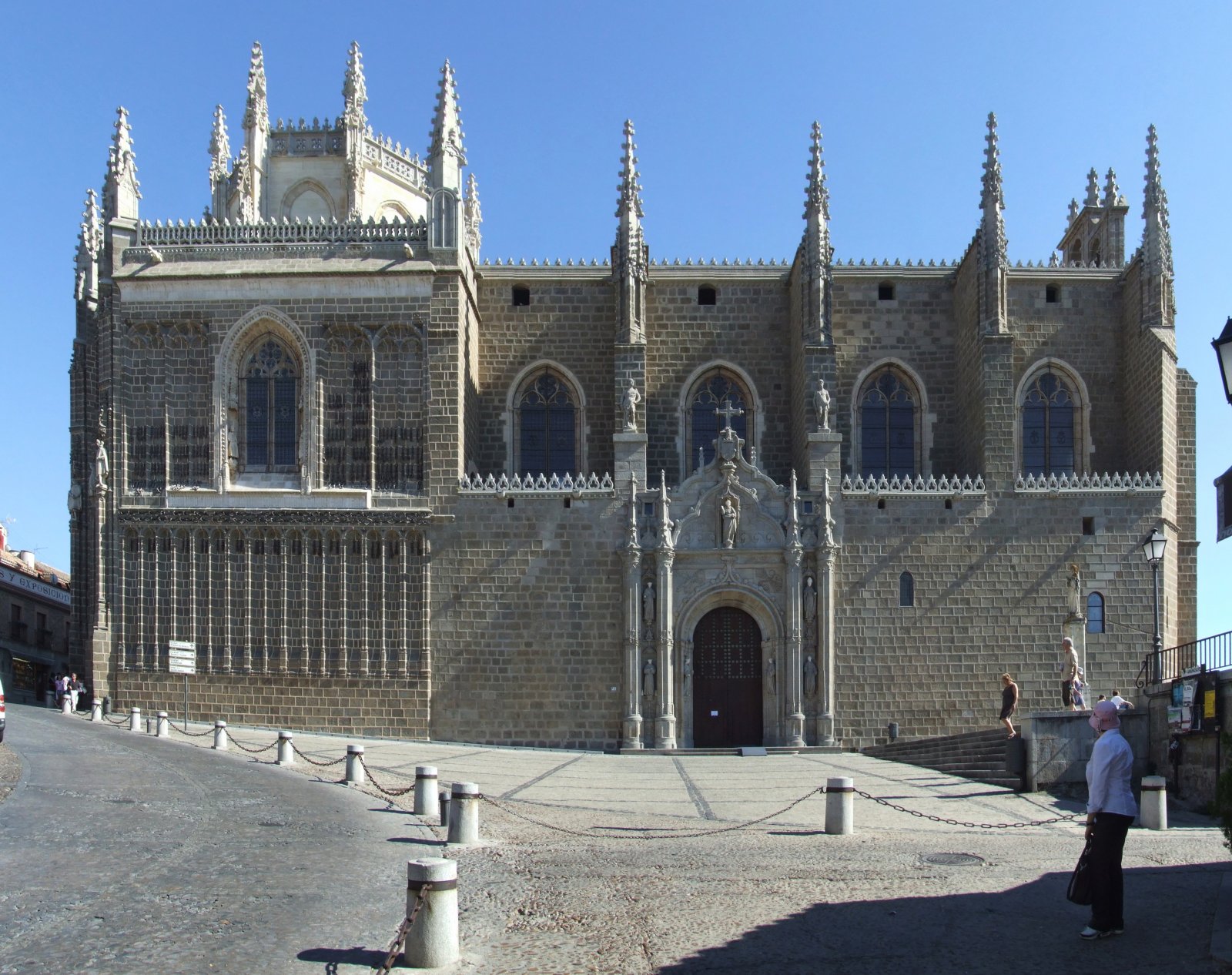
History and Origins The monastery's foundation is imbued with significance; it was commissioned shortly after the Catholic Monarchs unified Spain and sought to solidify their power through religious and architectural endeavors. The design of the monastery is attributed to Juan de Ávalos, merging Gothic elements with Spanish and Flemish influences, a common feature in many of Toledo's architectural gems. By 1504, the monastery was largely complete, with its church constructed in the form of a Latin cross, symbolizing the deep-rooted Catholic faith that permeated the era.
Throughout its storied existence, the monastery has witnessed significant events, including the Spanish Inquisition and the tumultuous changes during the Spanish Civil War. Despite these upheavals, the monastery has remained a vital part of Toledo's cultural landscape, embodying the resilience of the city and its people.
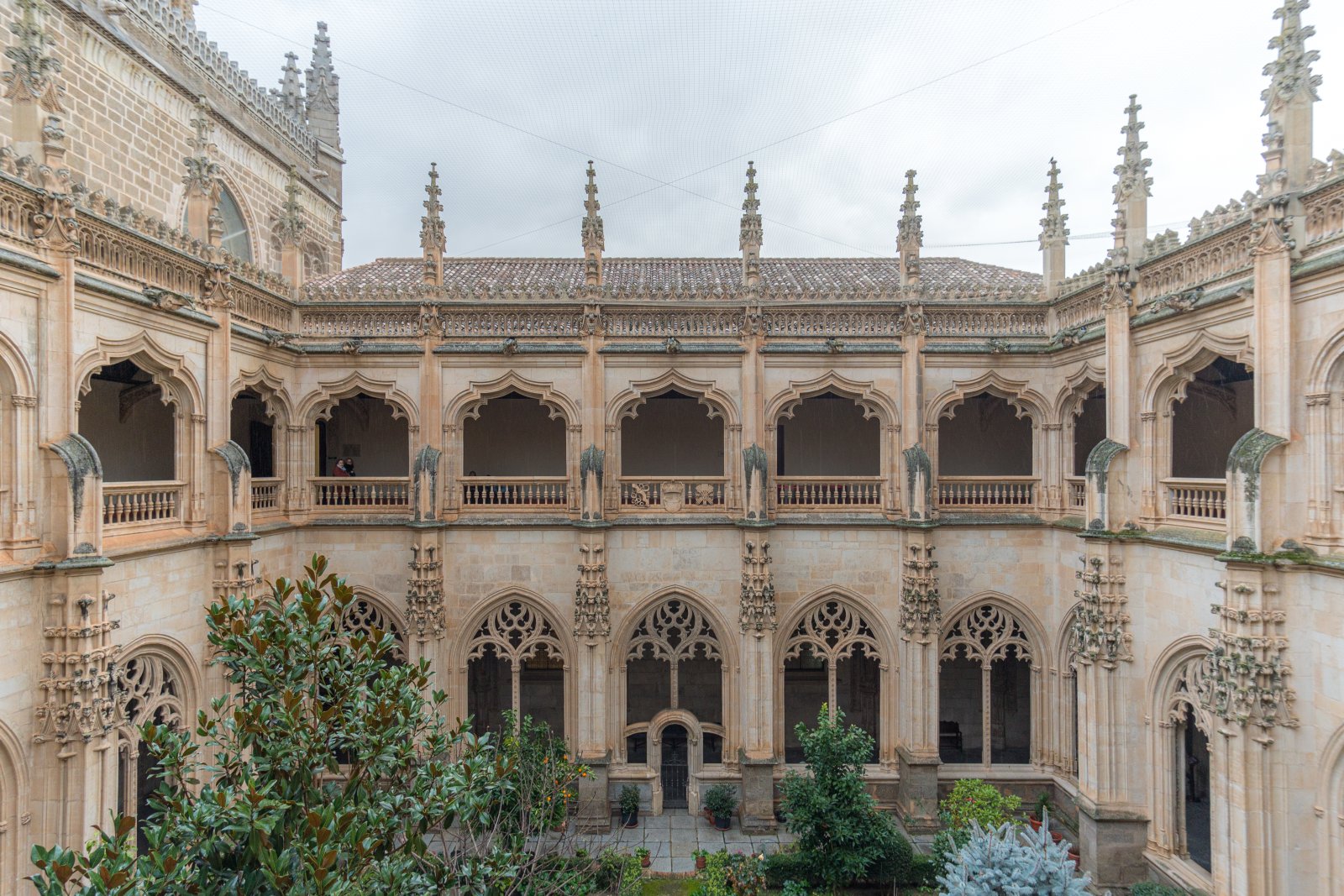
Art and Architecture The Monastery of San Juan de los Reyes is a stunning example of Gothic architecture that is enriched by Mudejar touches, indicative of Toledo’s unique cultural fusion. Its church, with an elongated nave stretching approximately 50 meters and soaring nearly 30 meters high, captivates visitors with its vastness and intricate details. The façade is adorned with the coats of arms of the Catholic Monarchs, elegantly supported by eagles, symbolizing divine protection.
Inside, the monastery features a series of stained glass windows that cast colorful reflections on the stone walls, enhancing the spiritual ambiance. The cloister, surrounded by beautiful arches, provides a serene space for contemplation. Notably, the chapel houses an impressive altarpiece depicting scenes from the life of St. John the Baptist, showcasing the artistic talent of the Spanish Renaissance.
Local Culture and Traditions Toledo is often referred to as a city where cultures converge, and the Monastery of San Juan de los Reyes exemplifies this rich heritage. The annual Semana Santa (Holy Week) processions are a profound local tradition, attracting visitors from across Spain. The monastery plays a role in these festivities, symbolizing the city’s deep-rooted Catholic traditions.
During these celebrations, the streets come alive with music, processions, and traditional Semana Santa pastries, such as torrijas and pestiños, which are enjoyed by locals and visitors alike. These customs reflect the enduring cultural significance of the monastery and its connection to the spiritual life of the community.
Gastronomy The culinary scene around the monastery is as rich as its history. Local specialties include mazapanes, sweet marzipan treats that have been a staple in Toledo for centuries, and venado (venison), reflecting the region's historical ties to hunting and game. Pair these with a glass of Castilian wine, and you will truly experience Toledo’s gastronomic offerings.
Dining in Toledo often brings a delightful blend of traditional and modern cuisine, with many restaurants located near the monastery serving dishes that celebrate local ingredients and recipes passed down through generations.
Lesser-known Curiosities While many come to admire the stunning architecture and art, few know that the monastery has a unique feature often overlooked: the hidden cloister, a peaceful retreat that offers a moment of quiet reflection away from the crowds. Additionally, the monastery's towers are said to be the oldest in Toledo, giving visitors a sense of the city's long-standing architectural history.
Another intriguing detail is that the monastery was once home to a community of Franciscans who were instrumental in the propagation of education and spirituality in the region. This commitment to knowledge and faith continues to resonate today, as the monastery serves as a venue for cultural events and exhibitions.
Practical Visitor Information To fully appreciate the Monastery of San Juan de los Reyes, the best time to visit is during the spring or early autumn when the weather is mild and conducive to exploring the city. Aim for early morning or later in the afternoon to avoid the peak tourist crowds. Be sure to look for the stunning stained glass and the intricate altarpiece during your visit, which are highlights not to be missed.
For those planning a visit, it is advisable to check the monastery's schedule for any guided tours or special events that may enrich your experience. Engaging a local guide can also provide deeper insights into the monastery’s architectural nuances and historical significance.
In conclusion, the Monastery of San Juan de los Reyes is not merely a monument; it is a living testament to Toledo’s historical and cultural richness. As you wander its halls, you can sense the echoes of the past, making it an essential stop for anyone looking to explore the heart and soul of this enchanting city.
For a personalized journey through Toledo, consider using the Secret World app to plan your perfect itinerary.


