
← Back

The Quirinal Palace

Piazza del Quirinale, 00187 Roma, Italia ★★★★☆ 452 views
Annie Cohen Kopchovsky
Roma
🏆 AI Trip Planner 2026

Get the free app

Discover the best of Roma with Secret World — the AI trip planner with 1M+ destinations. Get personalized itineraries, hidden gems and local tips. Free on iOS & Android.

🧠 AI Itineraries 🎒 Trip Toolkit 🎮 KnowWhere Game 🎧 Audio Guides 📹 Videos
Download on the App Store Get it on Google Play
Scan to download Scan to download
The Quirinal Palace - Roma | Secret World Trip Planner

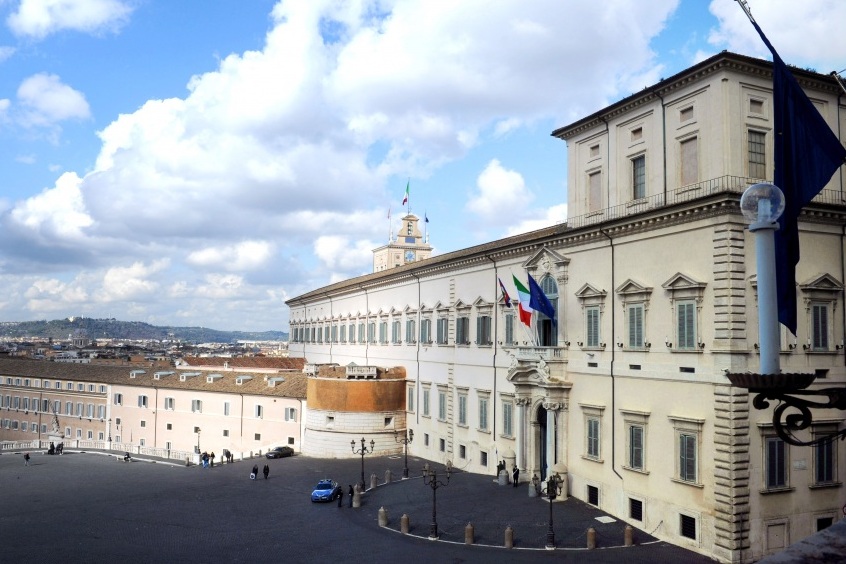
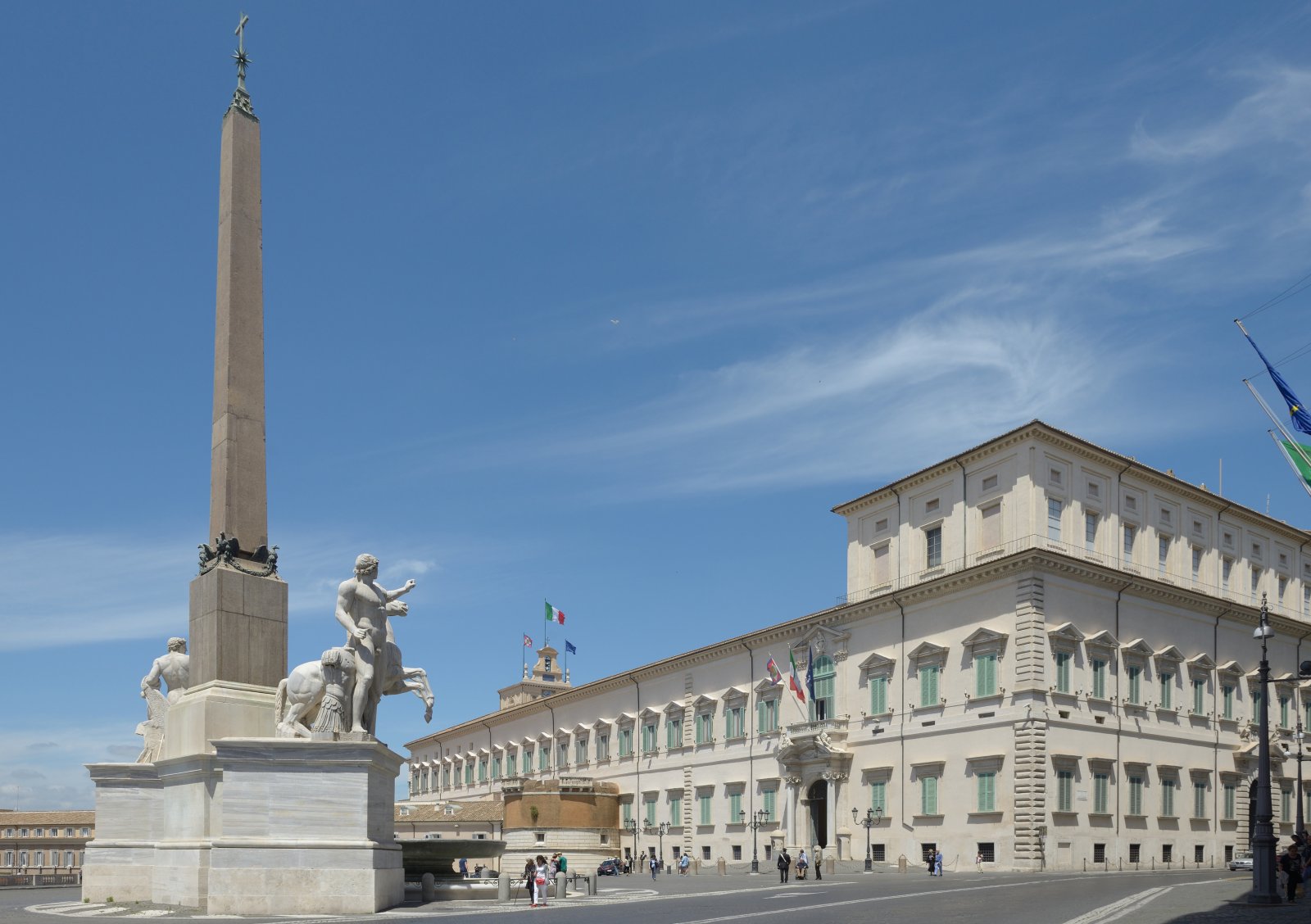
Perched majestically atop the Quirinal Hill in Rome, the Quirinale Palace commands the skyline, a testament to centuries of political power and artistic heritage. As the official residence of the President of the Republic, it is not only a hub of contemporary governance but a treasure trove of history, art, and culture that dates back to its construction in 1583.

The Quirinal Palace - Roma | Secret World Trip Planner

### History and Origins

The origins of the Quirinale Palace can be traced back to the late 16th century, when Pope Gregory XIII commissioned its construction as a summer residence. This choice was strategic, as the hill provided a respite from the sweltering heat of Rome. Over the years, it transitioned into a papal residence, hosting 30 popes, and later became the royal palace for four kings of Italy following the unification in the 19th century.

The Quirinal Palace - Roma | Secret World Trip Planner

The palace witnessed pivotal historical events, including the proclamation of the Kingdom of Italy in 1861. It became the official residence of the Italian head of state in 1946, marking a significant shift as Italy transitioned from monarchy to republic. Throughout its storied past, the palace has been the backdrop for countless political decisions and ceremonies, shaping the nation's trajectory.

### Art and Architecture

Architecturally, the Quirinale Palace is a masterpiece that blends Renaissance and Baroque styles, featuring elegant facades, grand staircases, and opulent interiors. Designed by notable architects such as Fontana and Baldassarre Peruzzi, the palace spans an impressive 110,500 square meters, making it the seventh largest palace in the world.

Inside, visitors are greeted by stunning frescoes, intricate tapestries, and precious artworks. The Hall of the Mirrors is particularly noteworthy, reflecting the grandeur of the palace with its beautiful chandeliers and polished surfaces. The Palazzo del Quirinale also houses an extensive collection of Italian art, with works by masters like Caravaggio, Raphael, and Bernini, showcasing the artistic significance of the location.

### Local Culture and Traditions

The Quirinale Palace is not just a political hub but a cultural landmark reflecting the rich traditions of Italy. The gardens surrounding the palace are a tranquil escape and host various events, including the traditional Festa della Repubblica on June 2, which celebrates the foundation of the Italian Republic. During this time, the palace opens its doors to the public, allowing visitors to explore its historical significance.

Local customs are deeply intertwined with the palace; for instance, the changing of the guard ceremony is a popular spectacle, showcasing the Italian military's precision and pride. This event draws both locals and tourists, fostering a sense of community and national identity.

### Gastronomy

While the Quirinale Palace itself does not have a dedicated cuisine, it is surrounded by the culinary delights of Rome. The area is known for its traditional Roman dishes, such as Cacio e Pepe and Carbonara, which reflect the city’s rich gastronomic heritage. Close by, you can savor Porchetta, a succulent, herb-stuffed roast pork that is a staple of local street food.

For a sweet treat, don’t miss the opportunity to try Maritozzi, a delicious Roman breakfast pastry filled with whipped cream. Pair it with a classic Espresso or a refreshing Italian spritz to enhance your experience of local flavors.

### Lesser-known Curiosities

Despite its grandeur, the Quirinale Palace holds lesser-known secrets that often escape the notice of tourists. For instance, it is home to an impressive fountain, the Fountain of the Four Rivers, which includes intricate sculptures that represent the four major rivers of the world. Additionally, the palace boasts a hidden garden known as the Secret Garden, an oasis of tranquility filled with rare plants and stunning views of the city.

Another fascinating aspect is the Palazzo's clock, which has a unique feature: it only chimes during the day, a practice rooted in centuries-old tradition. This reflects the palace’s commitment to maintaining its historical integrity amid the modern world.

### Practical Visitor Information

The best time to visit the Quirinale Palace is during the spring and fall when the weather is mild and conducive to exploration. Guided tours are available, offering an in-depth look at the palace's history and art. Make sure to book in advance, especially during national holidays when special events may be taking place.

While touring, pay close attention to the exquisite frescoes and the Royal Apartments, which provide insight into the lives of those who once resided within its walls. Be prepared to spend several hours, as the palace's vastness and remarkable details warrant ample time for discovery.

As you plan your visit, consider utilizing the Secret World app to create a personalized AI itinerary, ensuring you don’t miss any of the hidden gems Roma has to offer.

🗺 AI Trip Planner

Plan your visit to Roma

Suggested itinerary near The Quirinal Palace

MAJ+
500.000+ travelers worldwide
  1. 🌅
    Morning
    The Quirinal Palace
    📍 Roma
  2. ☀️
    Afternoon
    Rome - The City of Water ( Vicus Caprarius )
    📍 0.3 km da Roma
  3. 🌆
    Evening
    Quirinal Palace
    📍 0.3 km da Roma

Buy Unique Travel Experiences

Powered by Viator

See more on Viator.com

Explore nearby · Roma
