


Nestled in the heart of Roma, the Palazzo Barberini is a baroque masterpiece that stands as a testament to the grandeur and artistic ambition of its era. This splendid structure, commissioned by Pope Urban VIII and designed by the renowned architect Carlo Maderno, is home to the illustrious National Gallery of Ancient Art. With its ornate architecture and an extraordinary collection of artworks, Palazzo Barberini offers a window into the opulence of 17th-century Roman nobility.
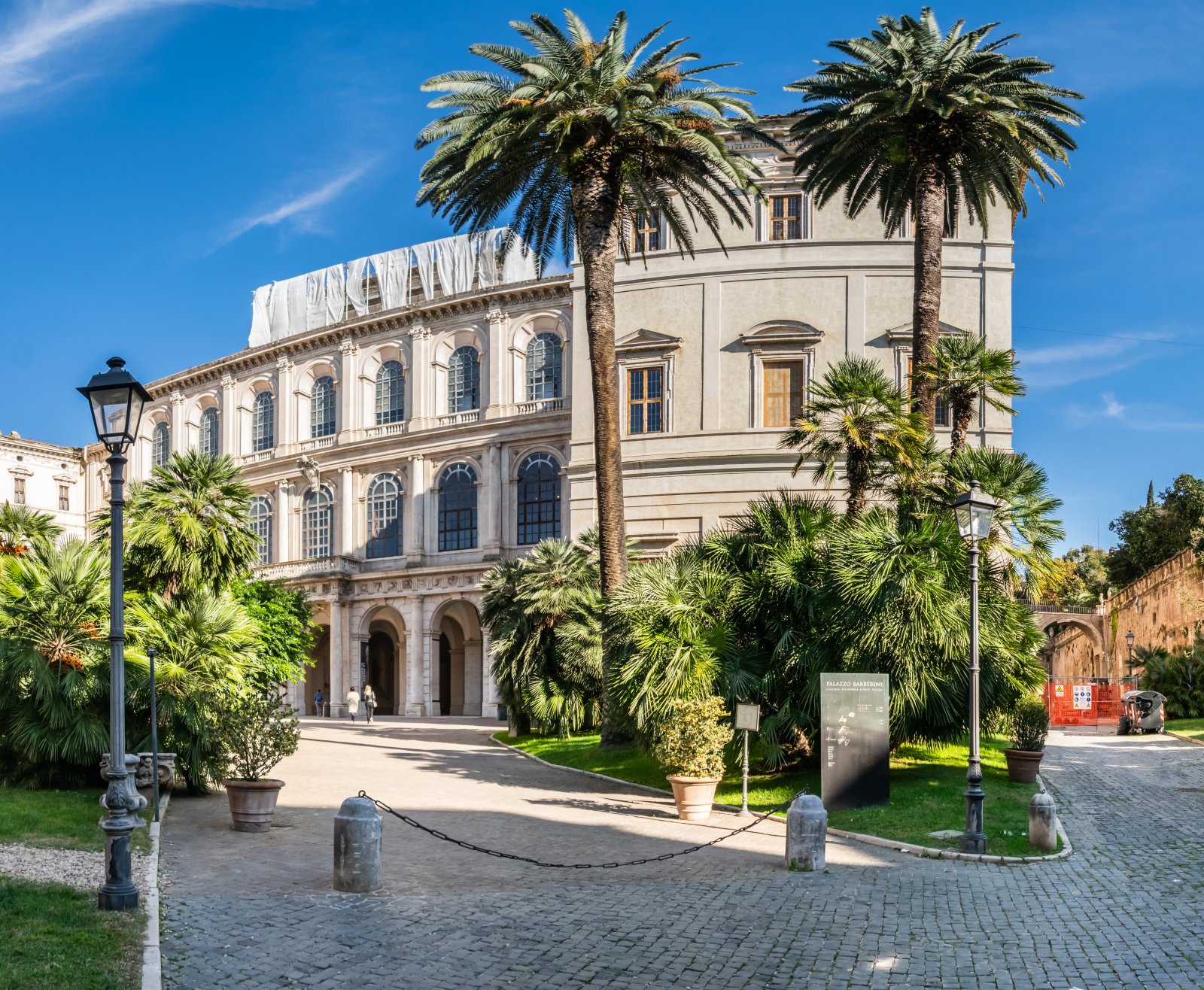
The origins of Palazzo Barberini trace back to 1623 when Maffeo Barberini ascended to the papacy as Urban VIII. Seeking to create a residence that surpassed the grandeur of any contemporary noble dwelling, he commissioned Maderno, who had also crafted the facade of St. Peter's Basilica. Construction commenced in 1625 and, after Maderno's death, was completed in 1633 by the illustrious Gian Lorenzo Bernini. The palace reflects the ambitions of the Barberini family, who were keen to assert their influence and legacy in the eternal city.
Architecturally, Palazzo Barberini is a paragon of Baroque design, characterized by its dramatic use of space and light. The building’s central feature is its grand salone, which boasts a ceiling fresco by Pietro da Cortona titled "The Triumph of Divine Providence." This exquisite work is a celebration of the Barberini family's power and is considered a masterpiece of Baroque painting. The gallery houses an extensive collection of art, including works by Raphael, Caravaggio, and Titian, making it a must-visit for art aficionados.
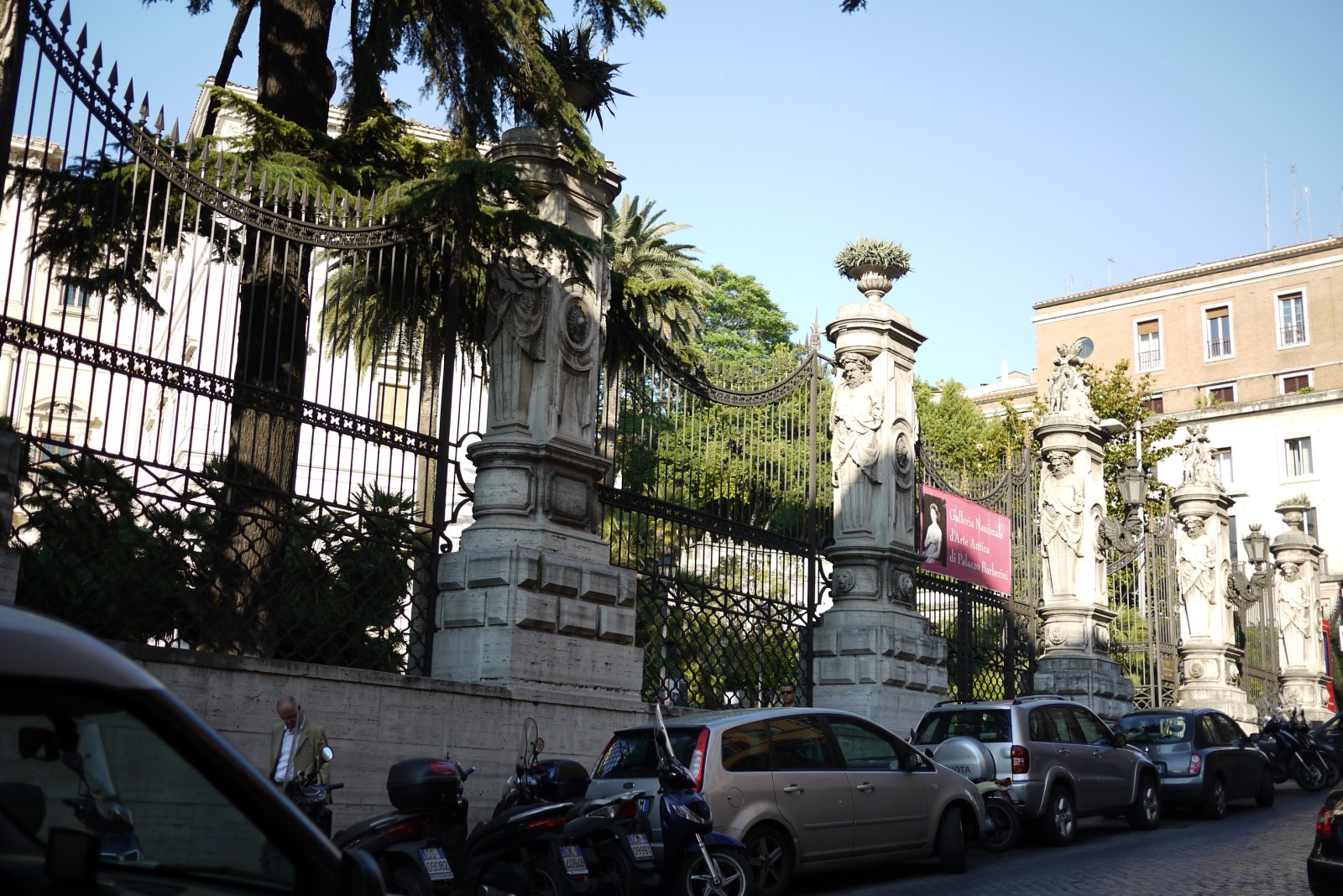
Roma's rich cultural tapestry is woven into the very fabric of Palazzo Barberini. While the city is known for its vibrant festivals, such as Festa di San Giovanni, the palace itself is a cultural landmark that hosts various exhibitions and events, offering visitors a chance to engage with both historical and contemporary art forms. The palace is a microcosm of Roman culture, capturing the city's blend of ancient traditions and modern innovations.
For those looking to indulge in Roman gastronomy, the area around Palazzo Barberini offers an array of culinary delights. Visitors can savor classic dishes such as Cacio e Pepe and Saltimbocca alla Romana, accompanied by a glass of local wine from the nearby Lazio region. Traditional Roman eateries, known as "trattorias," provide an authentic dining experience just a stone's throw from the palace.
While Palazzo Barberini is well-known for its art and architecture, there are hidden gems within its walls that many visitors overlook. One such curiosity is the Helical Staircase designed by Francesco Borromini, a stunning spiral staircase that exemplifies the ingenuity of Baroque architecture. Additionally, the palace grounds feature charming gardens that offer a tranquil escape from the bustling city.
For practical information, the best time to explore Palazzo Barberini is during the spring or autumn when the Roman weather is mild and pleasant. Visitors should allocate at least a few hours to fully appreciate the art collection and the architectural details. It's advisable to check the gallery's schedule for special exhibitions or guided tours that can enhance the experience.
In the labyrinth of history and art that is Roma, Palazzo Barberini stands as a beacon of cultural and architectural brilliance. To unlock the secrets of Roma and plan your visit, consider using Secret World for a personalized AI itinerary that caters to your interests.


