
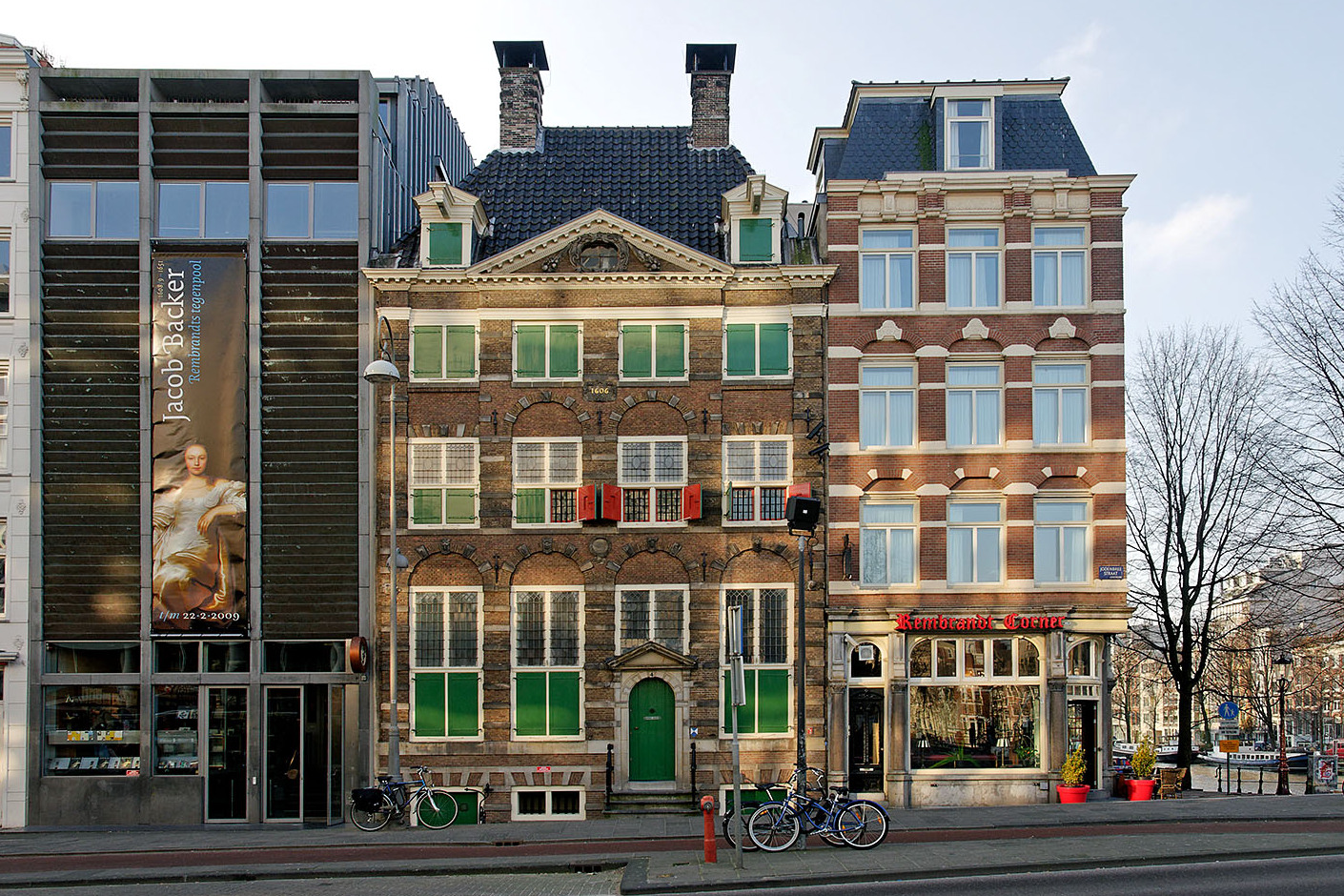

In the heart of Amsterdam, nestled amid the city's picturesque canals and narrow streets, lies a portal to the past that captures the spirit of the Dutch Golden Age: The Rembrandt House Museum. This historic dwelling, known locally as Rembrandthuis, invites visitors to step into the world of one of history's most revered artists, providing a rare glimpse into the life and times of Rembrandt van Rijn.
The story of the Rembrandt House begins in the early 17th century when it was constructed in 1606. This was a period of remarkable growth and prosperity for Amsterdam, as the city flourished as a global center of trade and art. Rembrandt purchased the house in 1639, at the height of his career, and it became both his home and studio for nearly 20 years. During this time, he created many of his masterpieces, including "The Night Watch," a work that cemented his reputation as a master of light and shadow.
The museum today is a testament to Rembrandt's genius and the era that shaped him. The house itself is a fine example of Dutch Renaissance architecture, with its gabled façade and elegant proportions. Inside, the rooms have been meticulously restored to reflect the period, complete with authentic furniture and decorations. Visitors can explore Rembrandt's art studio, where he taught apprentices and produced etchings, a medium in which he excelled. Notably, the museum houses a comprehensive collection of Rembrandt's etchings, offering insights into his innovative techniques and artistic evolution.
Amsterdam's rich cultural tapestry is woven into the fabric of the Rembrandt House Museum. The city was a melting pot of ideas and cultures during Rembrandt's time, and this diversity is reflected in his work. He often depicted Jewish figures, inspired by the nearby Jewish Quarter, showcasing his deep appreciation for the people and places around him. Today, Amsterdam continues to celebrate its multicultural heritage through vibrant festivals such as King's Day and the Amsterdam Light Festival, where the city's artistic spirit shines brightly.
No visit to Amsterdam is complete without indulging in its culinary delights. While the Rembrandt House Museum does not feature its own café, the surrounding area offers a plethora of options to savor local flavors. Traditional Dutch cuisine includes hearty dishes like stamppot (mashed potatoes with vegetables) and haring (raw herring), a street food beloved by locals. Pair these with a locally brewed Dutch beer or a glass of jenever, a juniper-flavored spirit that is the precursor to gin.
Beyond the well-trodden paths of art history, the Rembrandt House holds lesser-known secrets. Few visitors know that Rembrandt was an avid collector of curiosities, amassing an eclectic array of objects that ranged from seashells to weaponry and busts of Roman emperors. His collection was displayed in a "kunstkamer," or art room, a precursor to modern museums, reflecting his insatiable curiosity and keen eye for detail.
For those planning a visit, timing is everything. The museum is open year-round, but the best time to visit is during the shoulder seasons of spring or fall when Amsterdam's weather is mild, and the crowds are thinner. Arriving early in the day can also ensure a more intimate experience, allowing you to fully immerse yourself in the tranquil ambiance of the artist's world. As you wander through the house, take a moment in the etching room, where demonstrations on Rembrandt's techniques are held, offering a tangible connection to his artistic process.
In a city brimming with history and innovation, the Rembrandt House Museum stands as a beacon of artistic heritage. It not only celebrates the legacy of a master artist but also encapsulates the essence of Amsterdam during one of its most illustrious periods. Whether you're an art aficionado or a curious traveler, a visit to this iconic house promises an enriching journey through time, art, and culture.


