
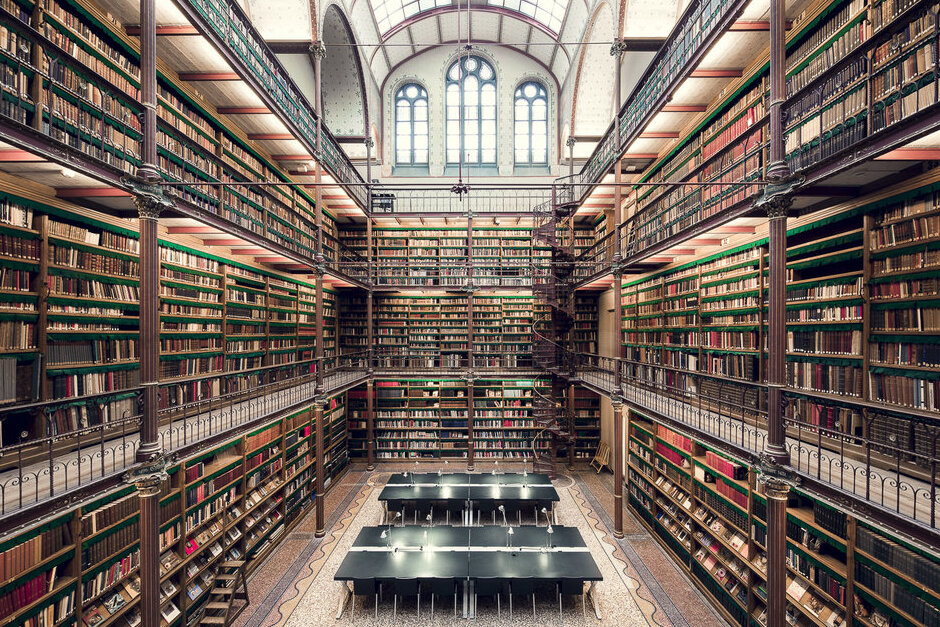

Nestled within the splendid Rijksmuseum in Amsterdam, the Rijksmuseum Research Library stands as a beacon of art and scholarship, attracting bibliophiles and art lovers alike. As one of the main art libraries in the world, it holds an impressive collection of auction and exhibition catalogues, trade and collection catalogues, books, periodicals, and annual reports that have been meticulously amassed since its founding in 1885.
The origins of the library trace back to the establishment of the Rijksmuseum itself, which was founded in 1800 to house the national art collection of the Netherlands. Originally located in The Hague, the museum moved to Amsterdam in 1808, where it became a cultural cornerstone. The Research Library, integral to the museum, was established to support the burgeoning art community and provide resources for scholars and researchers.
Architecturally, the Rijksmuseum is a masterpiece of the Dutch Gothic Revival style, designed by the renowned architect Pierre Cuypers. The library, located in the museum's main building, reflects this grand architectural vision with its high ceilings, intricate woodwork, and elegant reading rooms. Notable artworks from the museum’s extensive collection, including masterpieces by Rembrandt and Vermeer, can be viewed in the adjacent galleries, enriching the experience for library visitors with a direct connection to the art they study.
The local culture of Amsterdam is vibrant and deeply intertwined with its artistic heritage. The Rijksmuseum Research Library not only serves as a repository of knowledge but also participates in local traditions and festivals. For instance, during the Amsterdam Art Weekend, the library often hosts special events and talks, inviting local artists and scholars to engage in discussions about the role of art in contemporary society. This cultural exchange fosters a sense of community and highlights the library’s importance as a hub of artistic discourse.
Culinary delights abound in Amsterdam, and a visit to the Rijksmuseum would be incomplete without sampling local gastronomy. The area surrounding the museum boasts an array of cafes and restaurants where visitors can indulge in traditional Dutch dishes such as stroopwafels, haring (raw herring fish), and bitterballen. Pair your meal with a glass of jenever, the traditional Dutch gin, to truly immerse yourself in local flavors.
Among the library's lesser-known curiosities is its collection of historical auction catalogs. These documents provide insight into the art market's evolution and reflect changing tastes throughout the centuries. Additionally, the library houses a unique Print Room where visitors can access rare prints and drawings, offering a glimpse into the artistic practices of past centuries that often go unnoticed in the bustling museum galleries.
For those planning a visit, the Rijksmuseum Research Library is best enjoyed during the quieter weekday mornings. Visitors should allow ample time to explore the reading room and engage with the knowledgeable staff, who can provide guidance on specific topics or resources. Be sure to check for any special exhibitions or lectures that may coincide with your visit, as these can greatly enhance your experience.
To truly appreciate the depth of the library's collections, consider spending time in the study room, where you can delve into the documentation of the museum's collections. It’s a tranquil space that allows for reflection and discovery, away from the more crowded museum galleries.
In conclusion, the Rijksmuseum Research Library is more than just a repository of books; it’s a living testament to the artistic heritage of the Netherlands, rich in history and culture. Whether you're a researcher, a student of art history, or simply a curious traveler, the library offers a wealth of knowledge and inspiration.
Don’t forget to plan your visit to make the most of your time in Amsterdam with personalized recommendations using the Secret World app.


