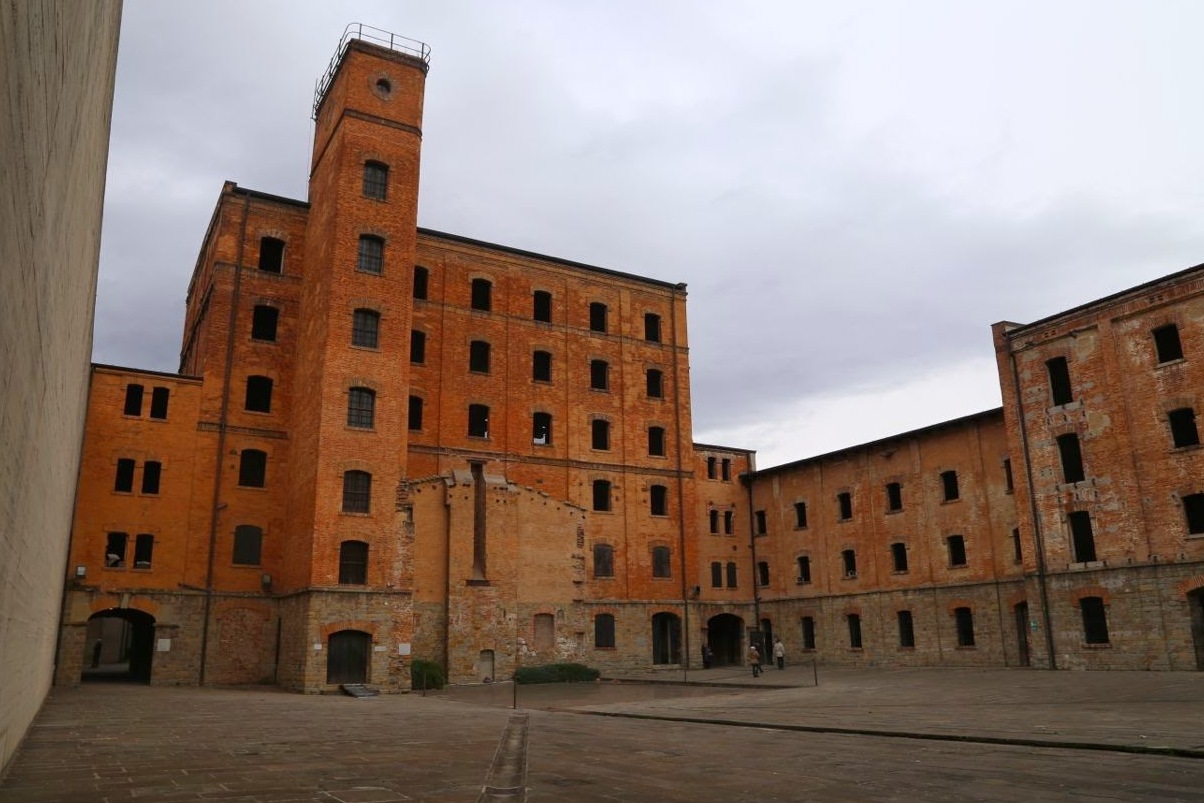

In the heart of Trieste, the Risiera di San Sabba stands as a haunting testament to the dark chapters of WWII. This site, once a thriving rice husking plant, has transformed into a memorial for thousands who suffered under the Nazi regime. It is a place that demands remembrance and reflection, as it is the only Nazi extermination camp established on Italian soil.
### History and Origins
The Risiera di San Sabba was built in 1898 by the Austro-Hungarian Empire, primarily to process rice for export. Its origins as an industrial facility took a sinister turn in 1943 when the SS occupied the site amidst the chaos of the war. The plant became a center for the deportation of political dissidents, including partisans, Slovenians, Croats, and notably, Jews who were sent to die in camps like Auschwitz and Dachau.
From June 1944 to April 1945, the risiera operated a crematorium, where an estimated 4,000 to 5,000 people lost their lives. The site was liberated by partisans on May 1, 1945, but its legacy is forever marred by the horrors that transpired within its walls. Declared a national monument in 1965, the site now serves as a poignant reminder of the atrocities of war and the importance of remembrance.
### Art and Architecture
Architecturally, the Risiera di San Sabba reveals its industrial roots with stark, utilitarian structures. The main building is characterized by its red brick façade, a stark contrast to the somber history it embodies. The crematorium, a chilling addition, is a stark reminder of the lives lost and the brutality of the Holocaust.
In the museum that has been established on-site, visitors can find various artworks, including powerful installations that evoke the emotions and stories of those who suffered. Notable among these is the haunting sculpture by Giorgio Bonomi, which captures the despair and loss experienced by the victims. The artistry here serves not just as a reflection of the past, but also as a call for remembrance and resilience.
### Local Culture and Traditions
Trieste is a city deeply influenced by its complex history and multicultural heritage. The local customs reflect a blend of Italian, Slavic, and Austrian cultures. Festivals such as Barcolana, an annual sailing regatta, showcase the city's maritime tradition and community spirit. This celebration, held in October, draws sailors and spectators from around the world, creating a vibrant atmosphere along the waterfront.
The Giorni della Memoria, or Days of Remembrance, highlight the significance of historical memory related to the Holocaust. These events encourage discussions, educational programs, and artistic expressions to honor the victims of the Risiera and promote a culture of peace and tolerance.
### Gastronomy
Trieste's gastronomic landscape is as diverse as its cultural makeup. Traditional dishes include goulash, reflecting the city's Austro-Hungarian past, and prosciutto di San Daniele, a beloved local delicacy. Visitors should not miss trying strucolo de pomi, a sweet apple strudel that showcases the region's culinary heritage.
Pair these dishes with a glass of Terrano, a local red wine that complements the rich flavors of the cuisine. The city’s café culture, particularly in historic spots like Caffè Tommaseo, offers a glimpse into the leisurely lifestyle of Triestini and the chance to indulge in a cup of caffè while contemplating the history surrounding the Risiera.
### Lesser-Known Curiosities
Despite the grim history, the Risiera holds several lesser-known stories that intrigue visitors. For instance, while it primarily functioned as a camp, it also served as a prison for partisans and those who resisted fascism. Some of these individuals were kept in the facility for extended periods, enduring both physical and psychological torture.
Another surprising detail is the resilience of the local community. After the war, many Triestini rallied to help the survivors and rebuild their lives. This spirit of solidarity is reflected in the ongoing efforts to keep the memory of the Risiera alive, ensuring that its lessons are never forgotten.
### Practical Visitor Information
The best time to visit the Risiera di San Sabba is during the spring and early fall months when the weather is mild and conducive to reflection. Visitors can explore the site on guided tours that offer in-depth insights into its history and significance. Be sure to allocate sufficient time to absorb the poignant exhibits and memorials.
As you walk through the grounds, pay attention to the various plaques and photographs that document the lives of those lost. The site is not just a museum but a sacred space that invites contemplation and understanding of the past.
To enhance your visit to Trieste, consider using the Secret World app for personalized itinerary recommendations that will help you uncover the city's hidden gems and rich history.
