
← Back

The Termopolium: Ancient Rome's McDonald's

Via delle Terme, 80045 Pompei NA, Italy ★★★★☆ 282 views
Carla Barone
Via delle Terme
🏆 AI Trip Planner 2026

Get the free app

Discover the best of Via delle Terme with Secret World — the AI trip planner with 1M+ destinations. Get personalized itineraries, hidden gems and local tips. Free on iOS & Android.

🧠 AI Itineraries 🎒 Trip Toolkit 🎮 KnowWhere Game 🎧 Audio Guides 📹 Videos
Download on the App Store Get it on Google Play
Scan to download Scan to download

Historical Sites · Via delle Terme

The Termopolium: Ancient Rome's McDonald's - Via delle Terme | Secret World Trip Planner

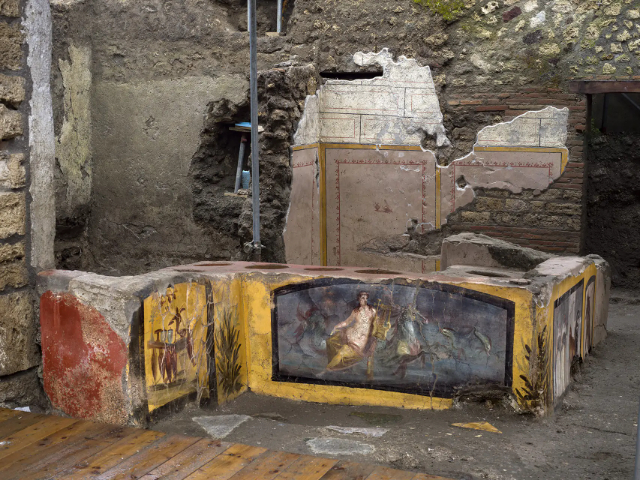
The Termopolium was a type of refreshment place widespread in ancient Rome, similar to a modern bar or kiosk, where people could purchase and consume hot drinks and sometimes even ready-to-eat food, either standing or sitting. These places were popular among the Greeks and Romans, with well-known examples in Pompeii, Herculaneum, and Ostia Antica.
The Termopolium: Ancient Rome's McDonald's - Via delle Terme | Secret World Trip Planner

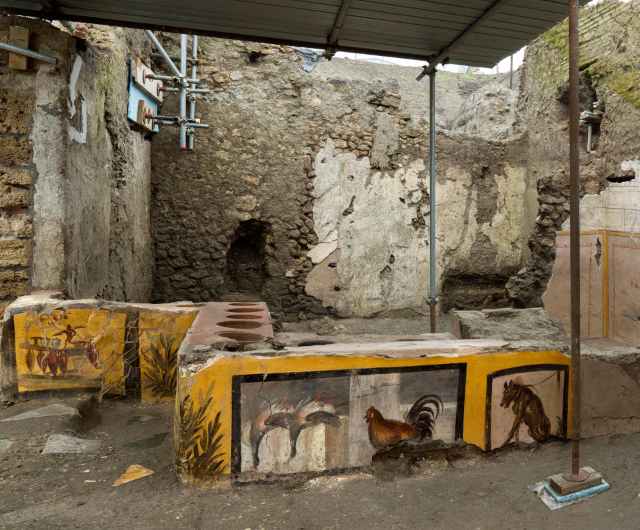
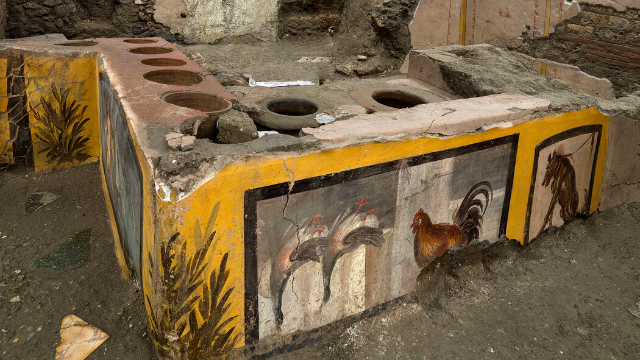
The structure of a Termopolium typically consisted of a space of various dimensions, with a long and wide counter lined with marble slabs. Large terracotta amphorae were embedded in the counter to contain hot beverages and food, while other large jars (dolia) were set in place to store additional provisions. These venues were widely spread throughout the Roman Empire, as it was common to have meals away from home.

In the recently discovered Termopolium in Pompeii, various items were unearthed, including nine amphorae, a bronze patera, two flasks, and a common ceramic pot for serving food. The floor was made of cocciopesto, a waterproof coating composed of terracotta fragments, with insets of fragments of polychrome marbles in some areas.
The Termopolium: Ancient Rome's McDonald's - Via delle Terme | Secret World Trip Planner

The paintings on the counter of the Termopolium depict the actual foods and drinks sold inside, as evidenced by food fragments found in the containers. Some of the pictorial representations include ducks, pork, goat meat, fish, and land snails, indicating a variety of animal products used in food preparation.

Archaeobotanical analyses have also revealed fragments of deciduous oak, likely part of the structural elements of the counter. Additionally, at the bottom of one of the jars, the presence of intentionally fragmented or ground beans was found, likely used to alter the taste and color of the wine, as described by Apicius in De re Coquinaria.

The Termopolium: Ancient Rome's McDonald's - Via delle Terme | Secret World Trip Planner
 
🗺 AI Trip Planner

Plan your visit to Via delle Terme

Suggested itinerary near The Termopolium: Ancient Rome's McDonald's

MAJ+
500.000+ travelers worldwide
  1. 🌅
    Morning
    The Termopolium: Ancient Rome's McDonald's
    📍 Via delle Terme
  2. ☀️
    Afternoon
    House of the tragic poet
    📍 0 km · Via delle Terme
  3. 🌆
    Evening
    House of Pansa
    📍 0.1 km · Via delle Terme

Buy Unique Travel Experiences

Powered by Viator

See more on Viator.com

Explore nearby · Via delle Terme

Frequently Asked Questions

A Termopolium was a refreshment place in ancient Rome similar to a modern bar or kiosk where people could quickly purchase and consume hot drinks and ready-to-eat food, either standing or sitting. These establishments were widespread throughout the Roman Empire because it was common for Romans to eat meals away from home, making them the ancient equivalent of today's fast-casual dining.
The most well-known examples of Termopolia are found in Pompeii, Herculaneum, and Ostia Antica, with the recently discovered Termopolium in Pompeii being particularly notable for its intact artifacts. The Pompeii location is the most accessible and offers visitors a glimpse into daily Roman life with original terracotta amphorae, bronze vessels, and decorative paintings still visible.
Romans purchased hot beverages and ready-to-eat food at these establishments, with items stored in large terracotta amphorae embedded in the counter and additional provisions kept in large storage jars called dolia. The paintings on the counter of the Pompeii Termopolium actually depict the foods that were served, giving us direct visual evidence of the menu offerings.
The recent excavation in Pompeii unearthed nine amphorae, a bronze patera (serving dish), two flasks, and a common ceramic pot used for serving food. The floor itself was made of cocciopesto, a waterproof coating of terracotta fragments with decorative insets of polychrome marble fragments in certain areas.
A Termopolium consisted of a space of various dimensions with a long and wide counter lined with marble slabs that served as the main service area. Large terracotta amphorae were embedded directly into this counter to keep hot beverages and food warm, while additional storage jars were positioned throughout the space to maintain extra provisions for customers.
